Elevate your shaving and showering experience with a personalized routine
Shaving is a very personal experience, based on your skin type, preferences and even climate. Refining your shaving routine, tailored to your specific needs can help you build consistency and softer, smoother feeling skin.
When during your shower should you shave?
When you are taking an everything shower, or even just adding shaving on to your normal routine, it is best to do all other washing and skin maintenance first and save shaving for the end of your shower. This allows your skin soften your skin and pores to relax, which can reduce friction and skin irritation.
Should you exfoliate before shaving?
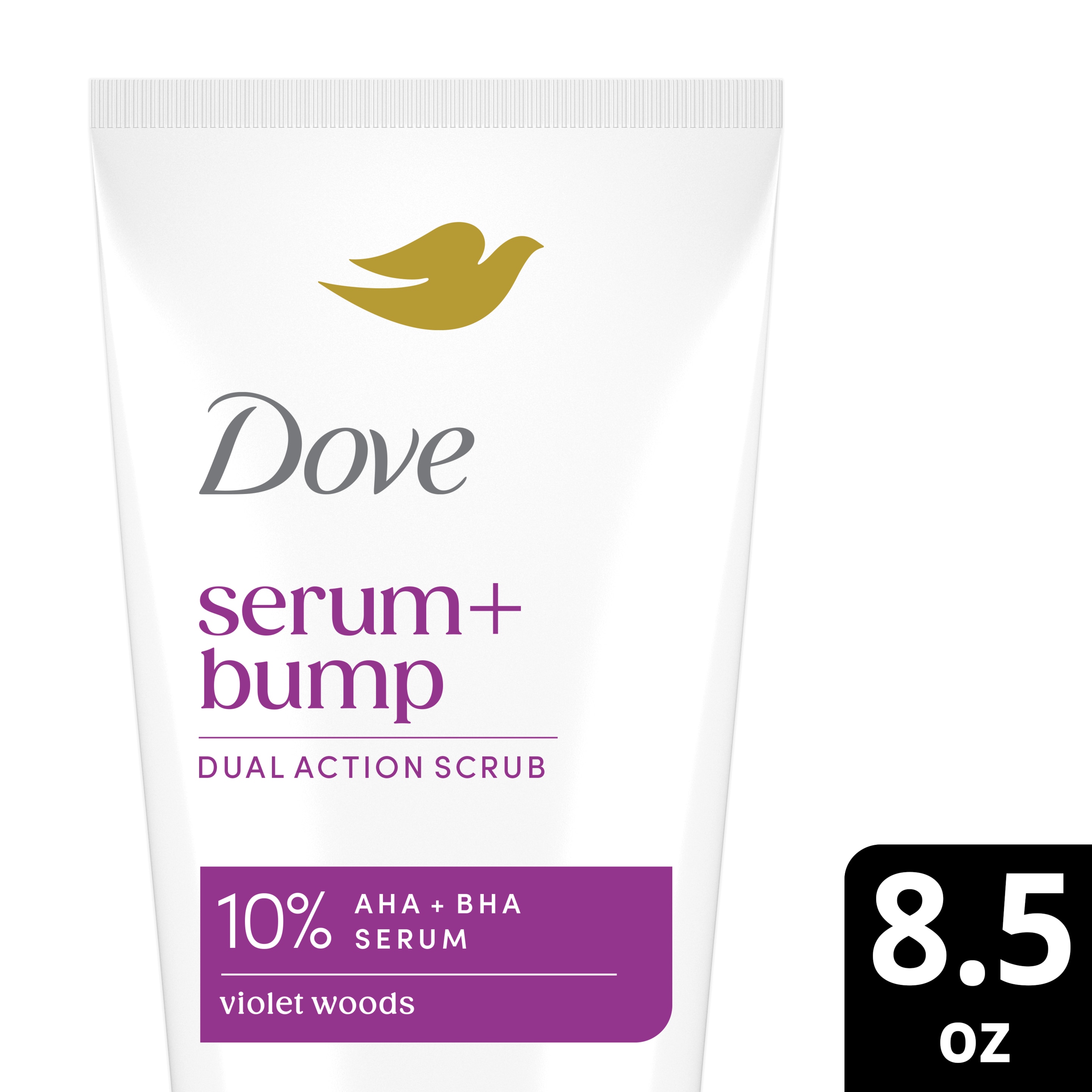
Exfoliating before shaving can help create a smoother surface for your razor by lifting away buildup and dull surface skin. Be gentle when exfoliating, as over-scrubbing can make skin feel sensitive before a razor even touches it. For healthy, hydrated skin, we recommend using a Dove body scrub, such as Serum+ Radiance Dual Action Body Scrub. If you have dry, sensitive skin such as Keratosis Pilaris, we recommend using Dove KP Bump Body Scrub. If your skin is already irritated, you may want to skip exfoliation and sometimes even shaving until it feels calm again.
What is the best step-by-step shaving routine for women?
The best shaving routine for women starts with warm water, gentle exfoliation, a moisturizing product that helps the razor glide, a clean sharp razor, light pressure and post-shave moisture. The goal is not just a close shave, but a comfortable shave that protects your skin.
Tips for shaving your legs
Shaving your legs is where many people start shaving and often takes the most time since it’s the largest area. Best practices for shaving your legs include:
- Shave in the direction that is most comfortable for you. Many people shave legs upward from ankle toward knee or thigh, but if your skin is sensitive or prone to irritation, start in the direction of hair growth and adjust based on comfort.
- Move slowly and more carefully around your knees and ankles, where skin is less flat and nicks can happen more easily.
- Bend your knee when shaving over it so that the skin is taught and it is easier to glide the razor over.
- Rinse the razor often so it does collect soap or hair.
Tips for shaving your armpits
When shaving your underarms, be sure to soften the area with warm water, apply a moisturizing shaving product and use small, careful strokes. Underarm hair can grow in more than one direction, so you may need to gently shave in different directions while keeping pressure light. Underarms can be sensitive and are susceptible to become itchy after shaving without proper care and technique.
Tips for shaving your bikini area
The bikini area is one of the most sensitive areas you can shave. When shaving your bikini area, it’s important to keep the routine gentle and take your time. Tips for removing hair from your bikini line include:
- If hair is longer, trim first so the razor does not tug or clog.
- Soften the area with warm water, use a gentle shaving product.
- Shave with the direction of hair growth using short, slow strokes.
- Use a light touch when shaving and avoid shaving over irritated skin.
- Consider using a sensitive formula or lightly scented product to reduce risk of irritation.
- If razor burn or bumps occur, try lightly exfoliating before shaving with Dove Serum+ Soothing Oil Body Wash or Serum+ Radiance Dual Action Body Scrub.
How often should you shave?
There is no single rule or guidance for how often you should shave. It depends on your hair growth, skin sensitivity, comfort, personal preference and routine. Some people shave every few days, while others shave less often or not at all.
Many people like to shave before events such as:
- Formal event (wedding, graduation, dance, etc.)
- Vacation
- First day of school or new job
- Sporting event
- Swim or beach day
- Wearing a new outfit
- Big interview or test
What is dry shaving?
Dry shaving means shaving without water, shaving cream, gel or another moisturizing product to help the razor glide. It may seem convenient when you are short on time, but it can create more friction between the razor and your skin, which may make skin feel dry, itchy or irritated afterward. If you do dry shave, use a clean, sharp razor, light pressure and short strokes, then moisturize after. For a more comfortable shave, it is usually best to soften hair with warm water and use a moisturizing product before shaving.
How to pick the best razor for you
Choose a razor that is comfortable to hold, easy to control and suited to the area you are shaving. A razor with a flexible head can help follow curves on areas like knees and underarms, while a sharp blade helps reduce tugging. If your skin is sensitive, consider whether fewer blades or a razor designed for sensitive skin feels better for you.
How to prevent itching and ingrown hairs after shaving
To help prevent itching and ingrown hairs after shaving, follow a shaving routine and avoid dry shaving, use a moisturizing shaving product, shave in the direction of hair growth first, rinse well and moisturize after shaving. Ingrown hairs can happen when hair grows back into the skin, so gentle exfoliation before shaving and a sharp razor can also help support a smoother routine. If itching, bumps or razor burn become frequent, take a break from shaving and consider switching up your technique or products before trying again.
Common shaving mistakes to avoid
When done right, shaving is an easy, effective way to remove hair. Here are some simple mistakes to avoid for an enjoyable shaving experience:
- Shaving dry skin
- Using too little shaving cream
- Using a dull, rusty or clogged razor
- Pressing too hard instead of using light strokes
- Skipping warm water before shaving
- Shaving irritated, itchy or bumpy skin
- Rushing or going too fast
- Going over the same area repeatedly without reapplying product
- Skipping moisturizer after shaving
Shaving vs other hair removal methods
Shaving is popular because it is convenient, quick, relatively low-maintenance and easy to do at home. Other hair removal methods, like waxing, depilatory creams or laser hair removal, may last longer for some people, but they can also involve more planning, cost, discomfort or professional support. The best option is the one that fits your skin, budget, comfort level and personal preferences.
When should teenage girls start shaving?
There is no “right” age to start shaving. Teenage girls should start shaving when they are ready to. A teen may become interested in shaving when her body hair begins to feel noticeable, uncomfortable or personally bothersome. There may be social pressure from her friends. As a parent, it’s important to listen to your teen and teach them how to safely and confidently shave. Explain that shaving is optional, talk about when and why you might want to shave and demonstrate your shaving routine, with safety tips such as using a clean razor, applying light pressure and shaving slowly.
Maintaining a consistent shaving routine for silky smooth legs
A consistent shaving routine can help make every shave feel smoother, more comfortable and more personal to you. Start by softening skin and hair with warm water, exfoliate gently when your skin feels ready, use a moisturizing product for better glide and shave with a clean, sharp razor using light pressure. Afterward, rinse, pat dry and moisturize to keep skin feeling soft and cared for. Whether you shave every few days, before a special event or only when you feel like it, the best routine is one that fits your skin, your schedule and your comfort level.
Frequently asked questions
Wash your legs before shaving to help remove sweat, oil and product buildup. After shaving, rinse with warm water, then pat skin dry with a towel and moisturize.
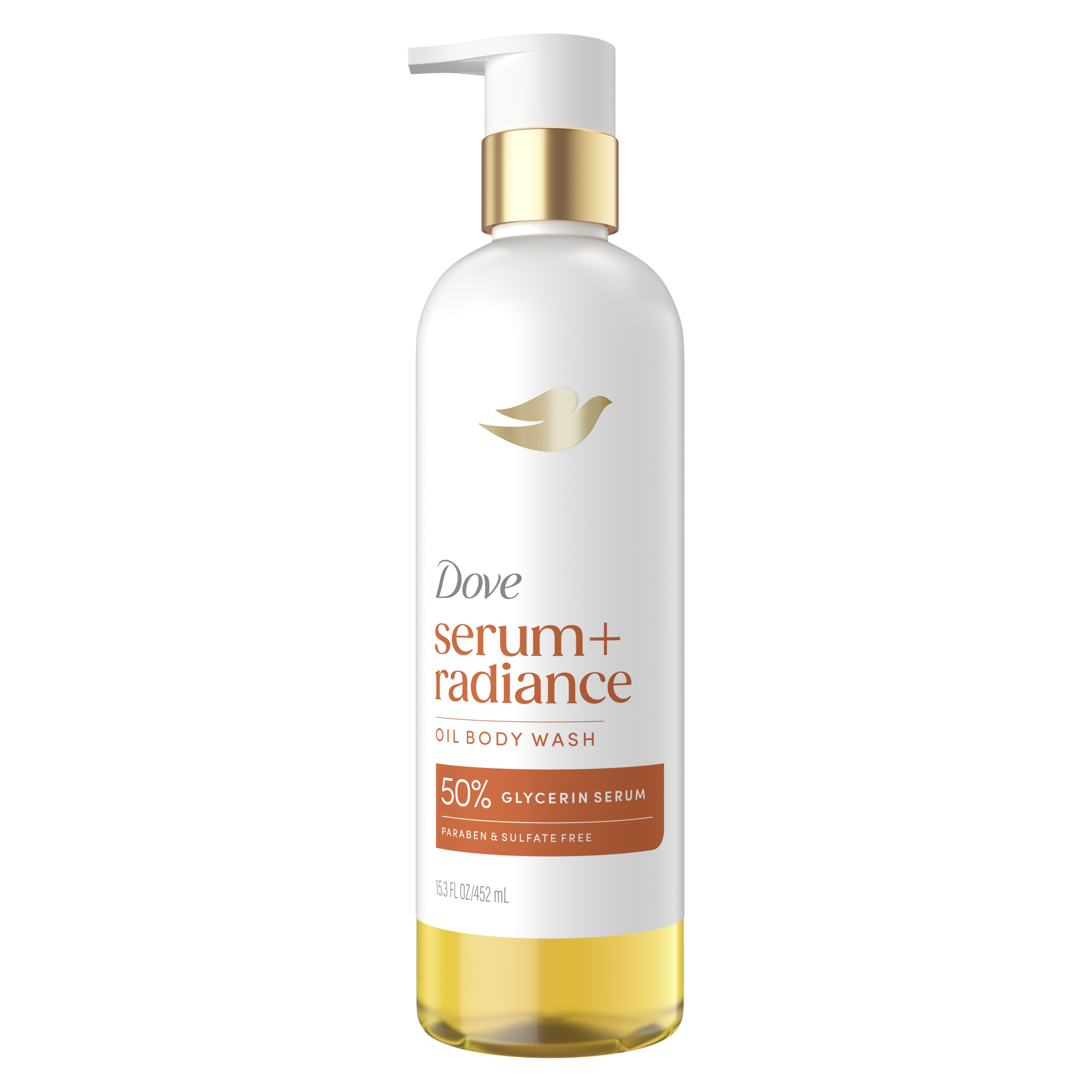
Use a gentle cleanser or moisturizing body wash as part of your shower routine, such as the Serum+ Radiance Oil Body Wash, which has been recognized on the TODAY Show as part of the segment "Best Spring Beauty Products for a Routine Reset" and was recognized by The Women's Health Beauty Awards 2026 for "Best Shower Oil".
Hair growth varies from person to person, so there is no exact timeline that applies to everyone. Shaving cuts hair at the surface of the skin, which means stubble may feel noticeable as the hair continues to grow.
No. Shaving does not change the thickness, color or rate of hair growth. Because shaving cuts hair bluntly at the surface, new growth may feel more noticeable as stubble.
Yes, disposable razors are allowed in both carry-on and checked bags under TSA guidance. If you are packing sharp objects in checked baggage, they should be securely wrapped to help prevent injury during handling.
Replace your razor or blade when it starts to feel dull, pulls at hair, looks rusty, holds product buildup or no longer rinses clean. If you shave often, replacement may be more frequent. Storing razors somewhere dry between uses can help keep them cleaner and last longer.
Article Sources:
Dove R&D specialists
Cleveland Clinic: Learn How To Get a Smooth Shave Every Time
Dermatology Physicians of Connecticut: Achieve Smooth, Healthy Skin: A Woman’s Guide to Shaving
Related Products


- slide 1
- slide 2
- slide 3