;Resize=(280,110) "Dove - Let’s Change Beauty logo")
What is keratosis pilaris?
Keratosis pilaris, or KP, is a common skin concern that happens when keratin builds up around hair follicles. Keratin is a protective protein found naturally in the skin, but when too much collects in the follicle opening, it can create small, rough bumps. KP is not contagious, and it is usually harmless. However, it can be frustrating when bumps show up on visible areas like the arms or legs, or when skin looks dull, uneven or textured. Understanding what KP is can make it easier to choose a body care routine that supports smoother-looking skin without over-scrubbing or irritating the area.
What does KP look and feel like?
KP often looks like clusters of tiny bumps on the skin. The bumps may be skin-colored, red, white, brown or darker than the surrounding skin, depending on your skin tone. They can also appear alongside dry, rough or discolored skin. While keratosis pilaris is usually not painful, your skin may feel dry, tight or irritated if it is over-exfoliated or exposed to harsh products. If the bumps become painful, itchy, inflamed, suddenly worse or difficult to identify, it is best to check with a dermatologist or healthcare professional for guidance.
Where can keratosis pilaris appear on the body?
Keratosis pilaris most commonly appears on areas where hair follicles grow and can become clogged with keratin. Common places people see KP bumps on their body:
- Upper arms
- Thighs and legs
- Buttocks
- Face (especially cheeks)
- Other areas with dry, bumpy or rough-feeling skin
What causes KP flare-ups?
KP flare-ups happen when keratin builds up and blocks the opening of hair follicles, creating the tiny bumps associated with keratosis pilaris. Dry skin can make the texture feel more noticeable, which is why KP may seem more visible during the winter when temperatures are colder and humidity is lower when your skin is not getting enough moisture.
Friction can also make rough bumps look or feel worse. Most common causes include:
- Restrictive clothing: Tight clothes, especially ones with minimal breathability
- Skincare routine: Harsh scrubbing, very hot showers, shaving/waxing or skipping moisturizer
- Weather: Winter conditions, including cold temperatures and low humidity
- Genetics: Can be passed down within your family and is more common in people with dry or eczema-prone skin.
How to treat keratosis pilaris with a gentle body care routine
The best skincare routine for keratosis pilaris is usually simple: cleanse gently, exfoliate carefully, and moisturize consistently. The goal is to help smooth rough texture while supporting the skin barrier, not to scrub the bumps away aggressively.
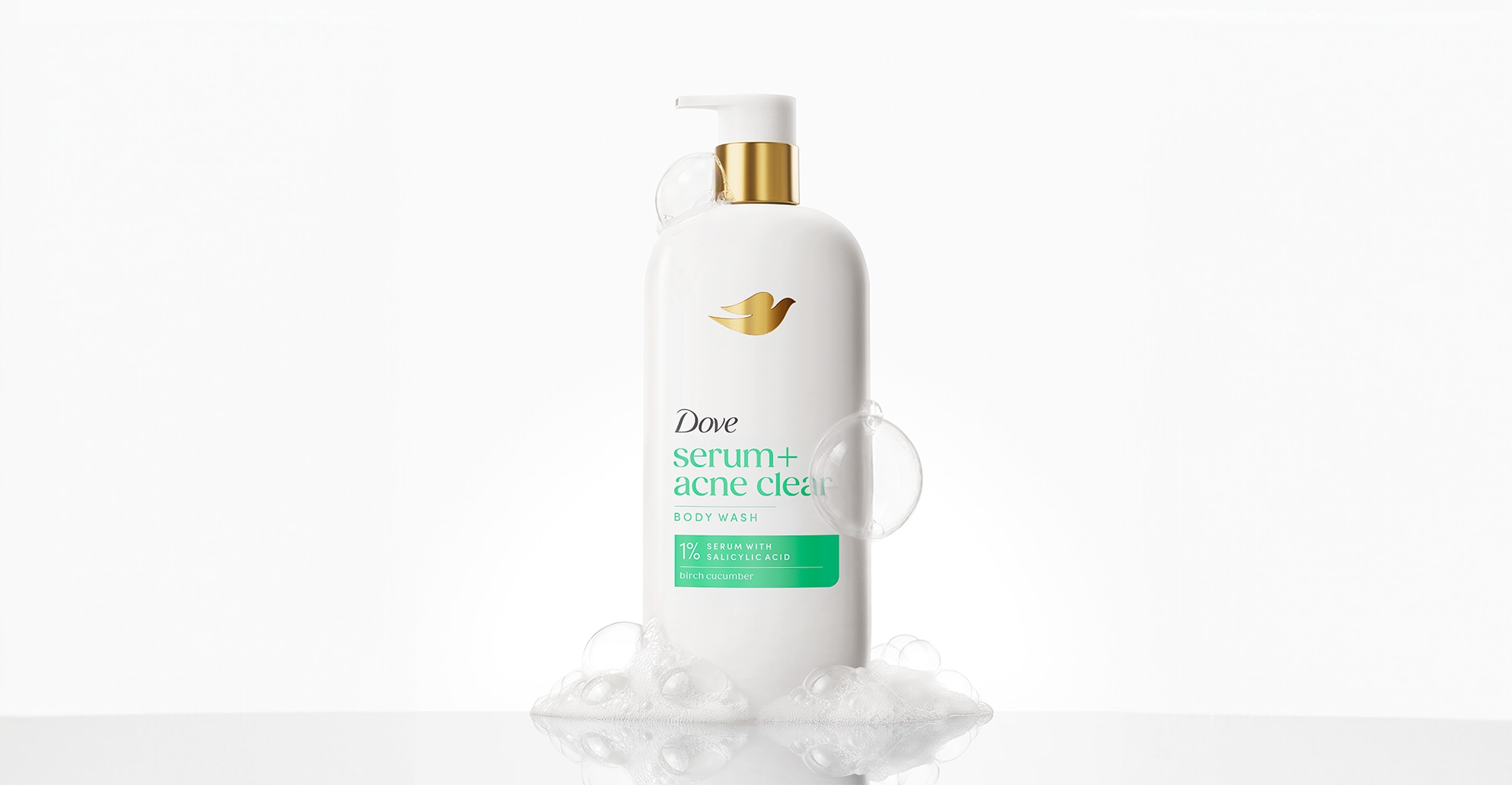
- Cleanse gently. Use a mild body wash, such as Dove Serum+ Soothing Oil Body Wash, powered by 50% glycerin serum plus natural oils instantly reduces dryness and provides all-day moisturization and hydration.
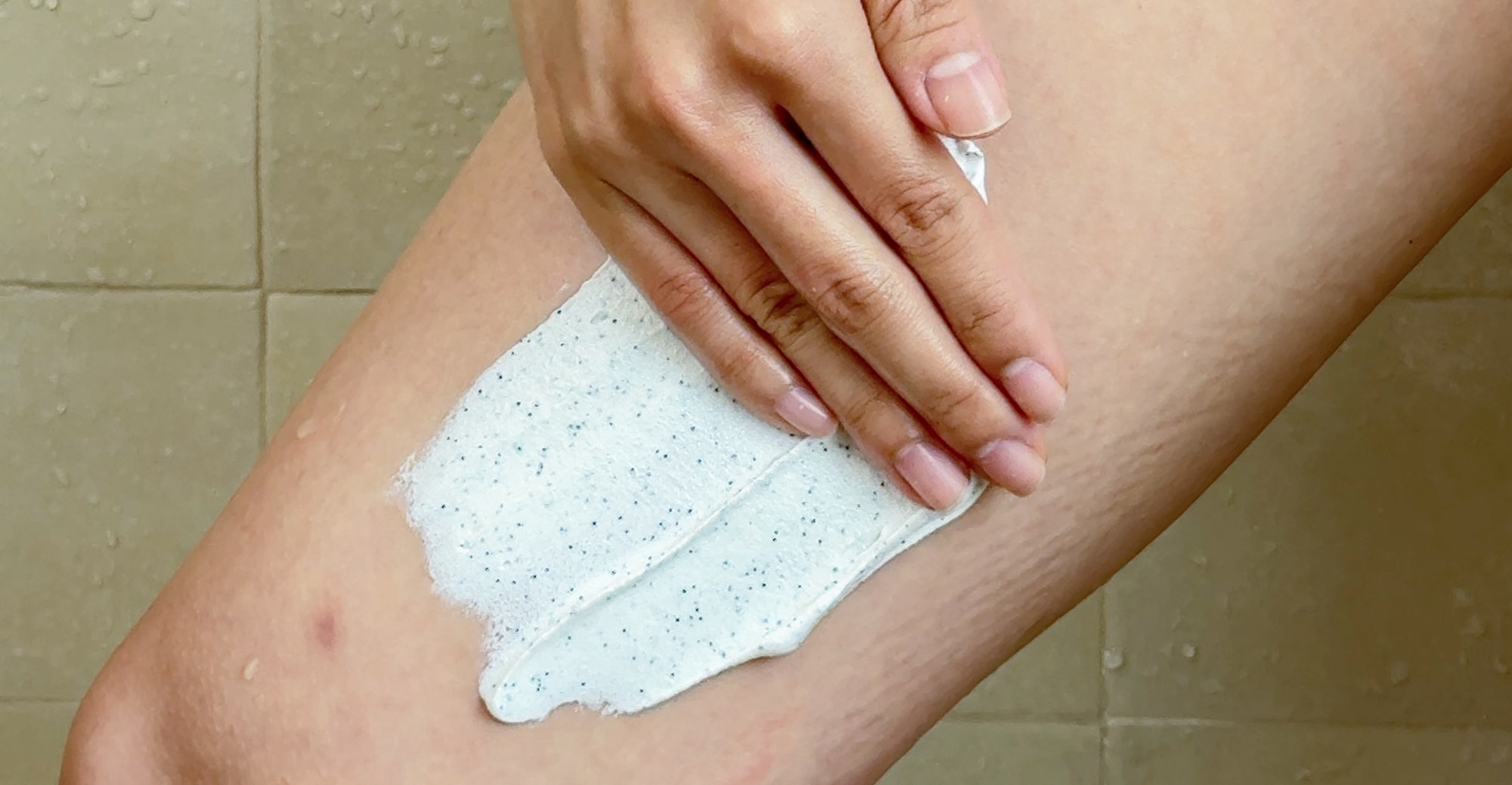
- Exfoliate carefully. Gentle exfoliation can help remove dead skin cells from the surface and improve the look of texture. We recommend using Dove Serum+ Bump Dual Action Scrub 1-2 times a week to mitigate KP bumps. Avoid harsh scrubs or aggressive pressure, which can make KP look more irritated.
- Be consistent. KP often needs ongoing maintenance and a steady routine. Smoother-looking skin usually takes time, so think in weeks, not overnight fixes.
- Stay hydrated. Dry skin can be more irritable then hydrated skin so making sure that you’re drinking enough water throughout the day can reduce the risk of a flare-up.
- Take shorter showers. Shorter, lukewarm showers can help your skin from drying out and reduce dry skin and bumps.
- Adjust your routine if irritation happens. If your skin becomes raw, stings, feels tight, or looks more inflamed, pause exfoliation and focus on moisturizing until skin feels calmer.
Ingredients to look for in KP-friendly skincare
When caring for KP-prone skin, look for ingredients that help smooth and soften the feel of rough bumps while keeping skin comfortable. Gentle exfoliating ingredients, like lactic acid, glycolic acid or salicylic acid, can help lift away dead skin cells from the surface. Moisturizing ingredients, like urea, can help hydrate and soften dry-feeling skin. Look for sulfate-free skin cleansers that support hydration and leave skin feeling nourished rather than stripped. Since everyone’s skin is different, start slowly, follow the product directions and pause if your skin feels irritated.

Benefits of using Dove KP Scrub
Dove Serum+ Bump Dual Action Scrub is designed to help smooth rough, bumpy KP-prone skin without the luxury price tag. Beyond its skin-smoothing benefits, it makes your shower routine feel more sensorial and is a practical alternative to pricier body scrubs. Serum+ Bump Dual Action Scrub offers clinically proven smoothing to help improve your skin’s look and feel.
Key benefits of Dove Serum+ Bump Dual Action Scrub:
- Helps reduce the look of KP bumps with regular use
- 10% AHA BHA serum for dual-action exfoliation
- Clinically proven to improve skin texture
- Dual action chemical and physical exfoliation for smoother skin in just 1 wash
- Gritty texture helps polish rough areas
- Gentle enough for sensitive skin
- Luxurious scent for sensorial shower
- No greasy feel and leaves skin feeling smooth
- Lower price point than competitors
Is keratosis pilaris permanent?
Keratosis pilaris can be stubborn, and it may last for years. For some people, KP improves with age, while others continue to notice bumps on and off over time. The most important thing to know is that KP can often be managed with a consistent routine that helps smooth the look of rough texture and keeps skin feeling moisturized. Since KP is related to keratin buildup, it may return when a skincare routine stops. To mitigate KP symptoms, you should focus on long-term skin routine, rather than a one-time fix. Look for gentle, consistent skincare steps that support softer-feeling skin without irritating the bumps.
What is the difference between keratosis pilaris, eczema, psoriasis and dry skin?
KP can be confused with other skin concerns because dryness, roughness, redness, and uneven texture symptoms can overlap. The comparison table below can help you understand the differences, but an official diagnosis should always be confirmed by a healthcare provider.
How to maintain happy, healthy skin when you have KP
While keratosis pilaris can be an inconvenience, you don’t have to live with its symptoms forever. With a gentle body care routine, consistent moisturization and careful exfoliation, you can help skin feel softer, smoother and more comfortable over time. Dove is here to help you care for KP-prone skin with ingredients designed to nourish and support your skin barrier every day.
Frequently asked questions
KP stands for keratosis pilaris, a common skin condition that causes tiny rough bumps when keratin builds up around hair follicles. It often appears on the arms, thighs, cheeks or buttocks.
Symptoms include small, hard bumps, dry skin that feels like sandpaper, and dryness or redness around bumps.
Typically KP does not hurt and is not itchy. If you have severe pain or itching, visit a healthcare professional.
While there is no guaranteed quick fix for keratosis pilaris, a consistent routine with gentle cleansing, regular exfoliation and moisturization can help improve the look and feel of rough bumps over time.
How often you exfoliate KP depends on your skin, product and personal preference. Start slowly, follow the product directions and reduce use if skin feels dry, irritated or uncomfortable. It’s recommended to use the Dove Serum+ Bump Dual Action Scrub 1-2 times a week. If you have consistent dryness, irritation or redness, please visit your dermatologist or healthcare provider.
Redness associated with KP may look more noticeable when skin is dry or irritated. Avoid harsh cleansers and scrubbing, moisturize consistently and consider speaking with a dermatologist if redness is persistent, inflamed or uncomfortable.
KP flare-ups are linked to keratin buildup around hair follicles. Dry skin, seasonal changes, friction from clothing and harsh body care habits may make bumps look or feel more noticeable, causing a flare up.
Strawberry skin is a harmless skin condition where open pores or hair follicles show up as tiny dark or red dots that looks like the seeds on a strawberry. Common causes of strawberry skin include KP, shaving, folliculitis or ingrown hair.
Chicken skin is another name for keratosis pilaris, as it creates tiny, rough bumps that feel like sandpaper on your arms, thighs, cheeks or buttocks.
Dove products are a great addition to your keratosis pilaris regimen and management plan. We recommend using one of our [Link Text: Dove Serum+ Body Washes][Link URL: https://www.dove.com/us/en/campaigns/products/serum-body-wash-collection.html] for daily showers and the [Link Text: Dove Serum+ Bump Dual Action Scrub][Link URL: https://www.dove.com/us/en/p/serum-bump-dual-action-scrub.html/00011111065239] 1-2 times a week to gently exfoliate your body.
Article Sources:
Dove R&D specialists
Cleveland Clinic: "Keratosis Pilaris."
Harvard Health: "Keratosis pilaris: Treatment and self-care for this common skin condition."
Mayo Clinic: "Keratosis pilaris."