;Resize=(280,110) "Dove - Let’s Change Beauty logo")

What are razor bumps and burns?
Razor burn is a very common skin irritation that happens after shaving. Razor bumps are little raised bumps, often red, white or black that appear as a symptom of razor burn. Other symptoms or razor burns include red, itchy or burning sensations on your skin. Typically razor burns are temporary and can be resolved at home by cleaning and moisturizing the affected area.
What causes razor burns and bumps?
The most popular reasons you might experience razor burn, include:
- Dull razor blades
- Shaving against the grain
- Ingrown hairs
- Not using shaving cream or gel
- Using shaving cream or gel that irritates your skin
- Sensitive skin
- Not taking your time shaving
- Shaving too often
Tips for preventing and avoiding razor burns and bumps
Following a shaving routine to care for your skin can help prevent razor burns and bumps. We recommend the following steps for days you are shaving:
Does deodorant burn after shaving?
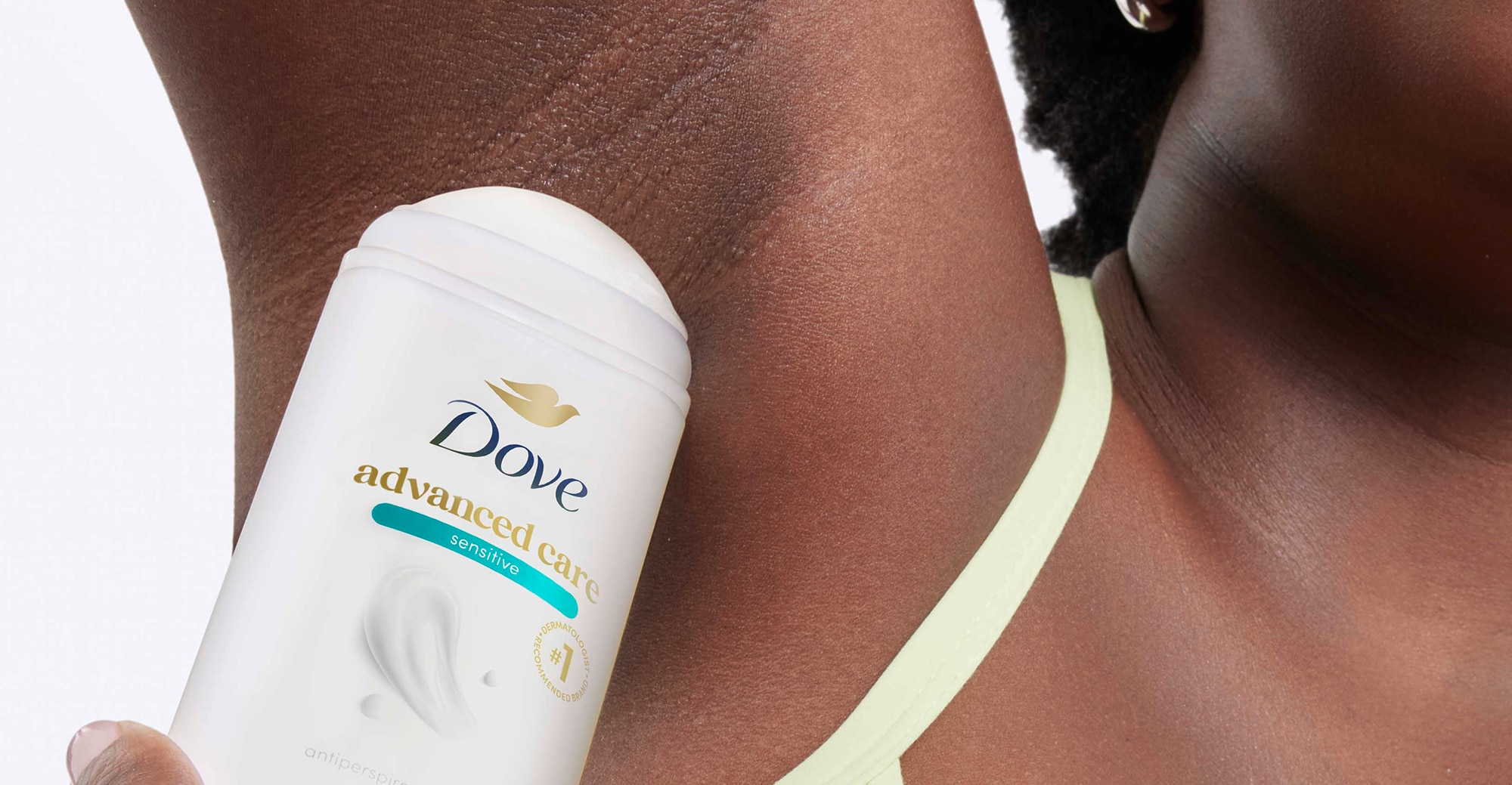
Deodorant can burn after shaving because shaving removes the top layer of skin, making your skin more sensitive to harsh ingredients. If your deodorant burns your armpits after shaving consider switching to a sensitive skin deodorant like Dove Aluminum Free Deodorant Stick Sensitive. You can also shave at night or wait a few minutes to apply deodorant.
How to sooth and calm razor burn and bumps
Nearly everyone is going to experience razor burn some time in their lifetime. The good news is it is fairly easy to treat and should go away quickly. As soon as you notice your razor burn or bumps, apply a clean, cold washcloth to the affected area to reduce inflammation. After that moisturize, moisturize moisturize! Use a sensitive skin friendly body lotion with minimal fragrance to help sooth and replenish the irritated skin.
If your skin condition does not get better or worsens after a few days, please schedule an appointment with your healthcare provider.