;Resize=(280,110) "Dove - Let’s Change Beauty logo")
What is exfoliation?
Exfoliation is the process of removing dead skin cells from the surface of your skin. This can be achieved physically, like using one of our body scrubs, or chemically, with alpha or beta hydroxy acids. Exfoliating helps to unclog pores, prevent acne, and allows your skin to better absorb skincare products. By regularly exfoliating, you can reveal the fresh, healthy skin beneath, promoting a smoother and more radiant complexion.
What are the benefits?
Wondering what a body scrub does? Here are some key benefits:
Improves skin texture: Smoother, softer skin is just a scrub away. Exfoliating helps remove dead skin cells that can make your skin feel rough or look dull, revealing a more even and polished surface underneath.
Boosts circulation: Gentle massaging motions enhance blood flow. This increased circulation can promote healthier-looking skin and may even support natural skin cell renewal over time.
Prevents ingrown hairs: Regular exfoliation helps keep pores clear and removes dead skin that can trap hairs. This reduces the chance of hairs curling back into the skin, which can cause irritation or bumps.
Enhances product absorption: Prepares skin to absorb moisturizers and serums more effectively. Without a barrier of dead skin cells, your skincare products can penetrate deeper and work more efficiently.
Brightens complexion: Reveals a more radiant and youthful glow. By sloughing off dull, dry skin, exfoliation helps refresh your overall appearance and can even out skin tone over time.
Is exfoliating harsh on skin?
Exfoliating is generally considered safe and beneficial when done correctly. It's essential to choose a scrub that suits your skin type and to use gentle, circular motions to avoid irritation. Our body scrubs are designed to be gentle yet effective, ensuring your skin feels pampered, not punished.
What types of body exfoliators are there?
Body exfoliators come in various forms, including:
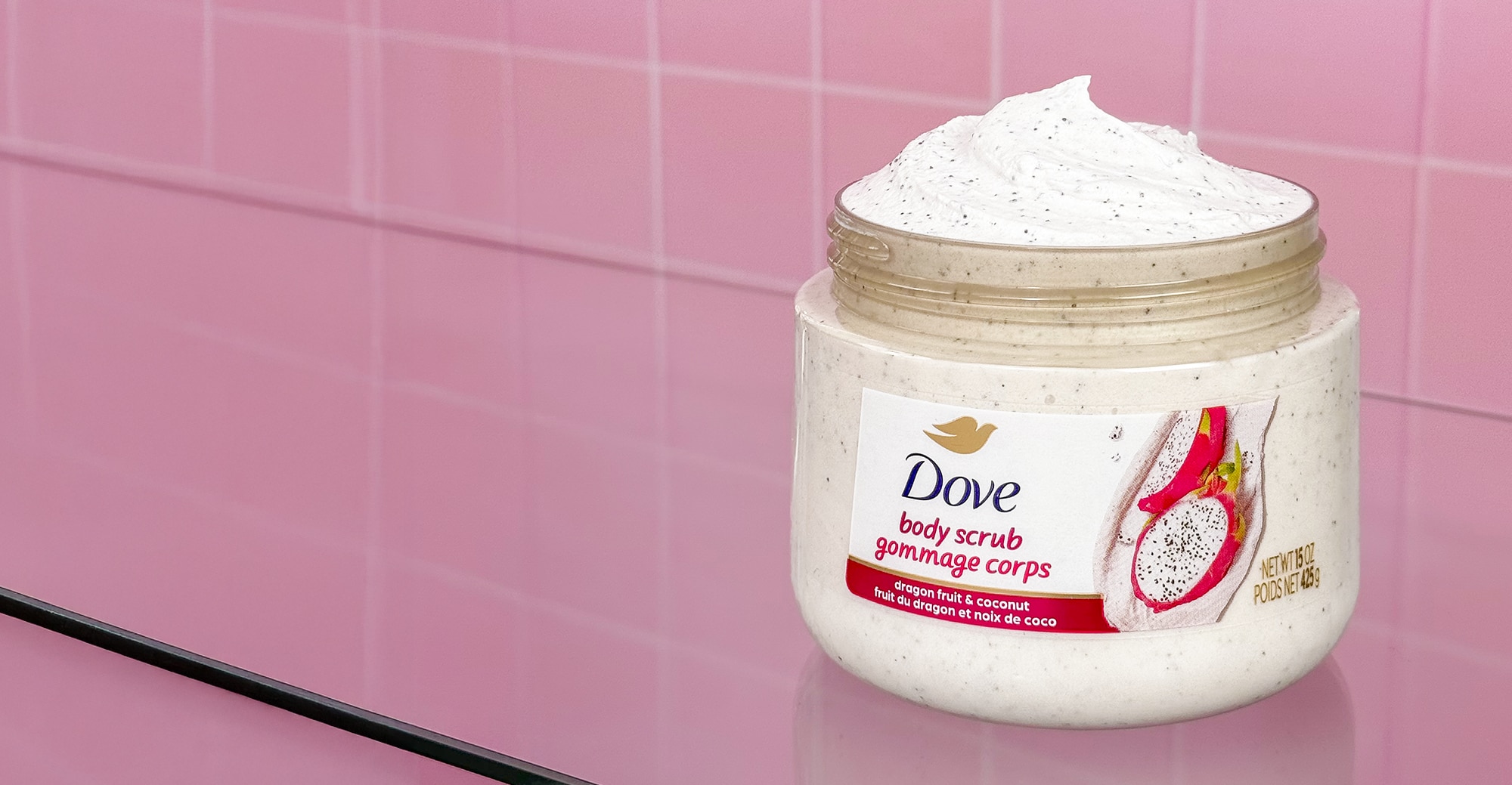
- Scrubs: Physical exfoliants like our body scrub contain tiny particles that manually slough off dead skin cells. There are two popular types: sugar scrubs and salt scrubs. Sugar scrubs are generally gentler, making them ideal for sensitive or dry skin, while salt scrubs are coarser and better suited for rough areas like elbows, knees, or feet.
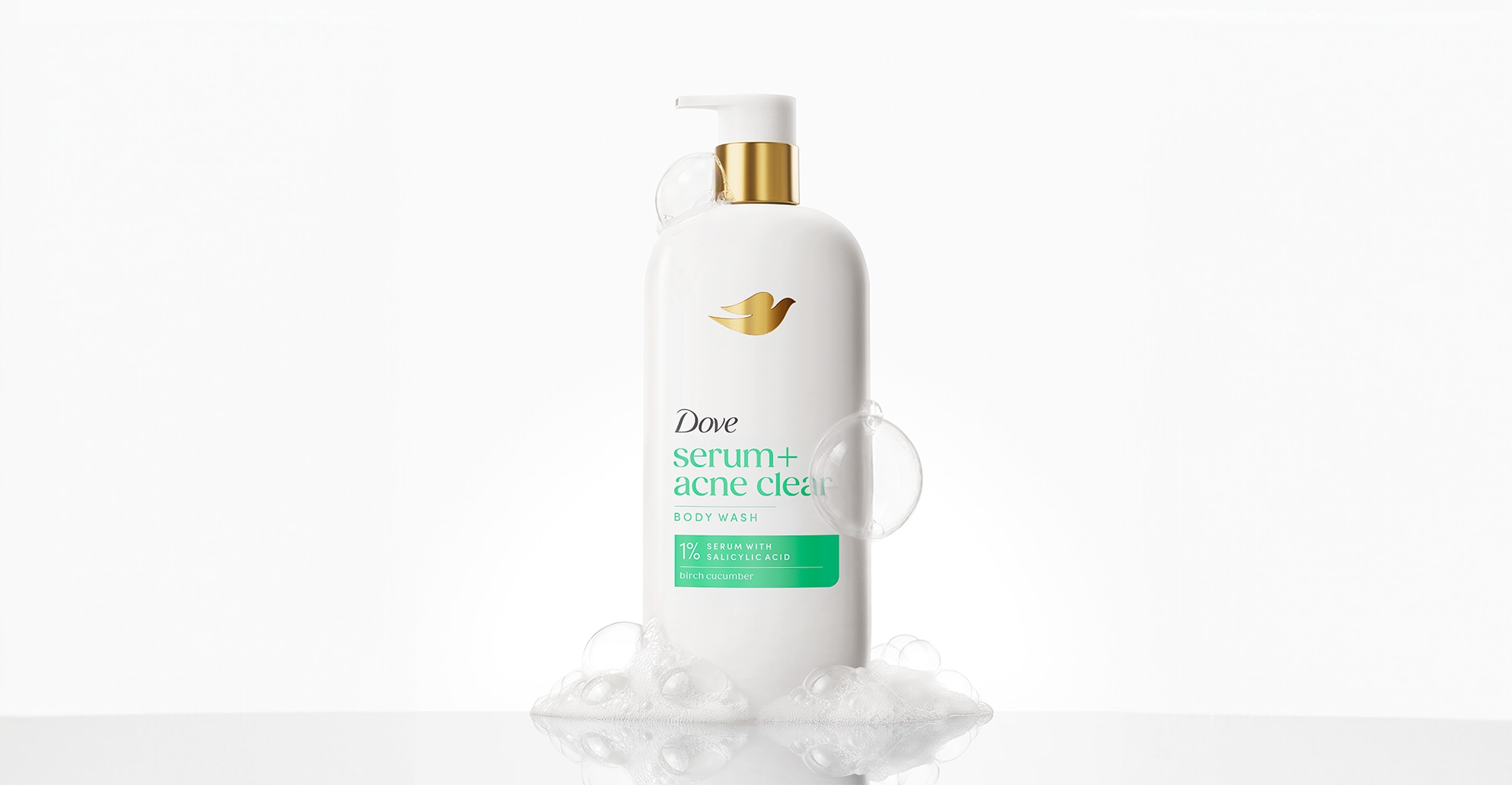
- Chemical exfoliants: These use active ingredients like alpha hydroxy acids (AHAs) or beta hydroxy acids (BHAs) to dissolve the bonds between dead skin cells, helping them shed more easily. Common AHAs include glycolic acid (great for dry or dull skin) and lactic acid (gentle and hydrating), while salicylic acid—a BHA—is ideal for oily or acne-prone skin.
- Exfoliating gloves or brushes: These tools offer mechanical exfoliation and can be used on their own or with a scrub. Gloves are great for full-body use in the shower, while brushes (manual or electric) are often used on the face or specific areas like the back. Always use light pressure and circular motions to avoid irritation, and be sure to clean your tools regularly to prevent bacteria buildup.
How often should you use body scrub?
The frequency of exfoliation depends on your skin type. Generally, using a body scrub 2-3 times a week is enough for most skin types. However, sensitive skin may require less frequent exfoliation. Listen to your skin and adjust accordingly.
Should I use body scrub wet or dry?
You should generally use body scrub on wet skin, like during a shower or bath. The warm water helps open up your pores and softens your skin, making the scrub more effective and comfortable to use. Just wet your skin, gently massage the scrub in circular motions, and then rinse it off. Some scrubs can be used on dry skin for a more intense exfoliation, but that’s best for tougher areas like elbows or feet – and only if your skin isn’t too sensitive.
How do I add exfoliation into my skincare routine?
Not sure whether to use a body scrub before or after body wash? Think of it as a two‑step ritual: first, cleanse. Use a gentle, hydrating body wash or soap to remove surface dirt, oil, and sweat – this gives the scrub a “clean slate” to work with. Then, when your skin is damp (not dripping), apply your body scrub – concentrating on the rougher zones like elbows, knees, ankles, or anywhere skin feels dull. Use soft circular motions, allowing the exfoliating particles to lift away dead cells. Rinse thoroughly, taking care to wash all traces of scrub. Finally, pat your skin lightly with a towel (don’t rub!), and immediately follow up with a moisturizer. This sequence ensures exfoliation is more effective, your skin is prepped to soak in hydration, and you finish with a smoother, healthier glow.