;Resize=(280,110) "Dove - Let’s Change Beauty logo")

WHAT IS UNEVEN SKIN TEXTURE AND TONE?
Uneven skin texture looks like small, raised bumps (often on the upper arms, thighs, or cheeks) or rough patches on the back, shins or other areas. It’s usually caused by dead skin-cell buildup, dryness, blocked pores, or plugged hair follicles.
Uneven skin tone is more about color than feel: patchy, darker areas, redness, post-inflammatory marks from old breakouts, or sun damage. This is typically related to pigmentation changes instead of physical texture.
The two often appear together. Rough texture on your back, for example, tends to come with uneven tone in the same area, because the same causes affect both: dryness, slow cell turnover, and sun exposure.
Men's skin is around 25% thicker than women's and produces more oil, which means rough texture and clogged pores can show up in ways that general skincare advice doesn't always account for.
;Resize=(auto,auto))
ROUGH, BUMPY, OR UNEVEN SKIN CAUSES
Rough, bumpy, or uneven skin in men usually has five common causes: dry skin, dead skin-cell buildup, clogged pores, sun damage, and sensitivity. Keratosis pilaris is a sixth, specific cause worth mentioning.¹ Here’s what each one looks and feels like and why it happens.
- Dry skin. The most common cause. When skin loses moisture faster than it’s replenished, from hot showers, harsh cleansers, or low humidity, the surface becomes rough, flaky, and dull. Sign: skin feels tight 15 to 20 minutes after showering.
- Dead skin-cell buildup. Skin cells naturally turn over about every 28 days, but when that turnover slows or dead cells don’t shed properly, they build up on the surface. Sign: rough patches that don’t go away with moisturizer alone, especially on shins, knees, elbows, and back.
- Clogged pores. Excess oil, sweat, and dead skin can plug hair follicles, creating small bumps. Sign: visible small bumps on the chest, back, or thighs that don’t itch.
- Sun damage. UV exposure thickens the outer skin layer, accelerates pigmentation changes, and breaks down collagen, causing uneven tone and rougher texture over time. Sign: patchy, darker areas, especially on the hands, forearms, and neck.
- Skin sensitivity and irritation. If your skin reacts easily, whether that's eczema, allergies, or just a low tolerance for harsh products, it can respond to strong ingredients, fragrance, or too much exfoliation by turning rough and uneven. Sign: rough patches that flare up after a new product, or red, bumpy areas after sweating.
- Keratosis pilaris. This is a common, harmless condition that affects up to 40% of adults, often runs in families, and tends to get drier in winter.² Sign: small rough bumps appear on the upper arms, thighs, or cheeks when dead skin cells build up in hair follicles.
CAN SOME INGREDIENTS AFFECT SKIN TEXTURE?
Some ingredients smooth rough, bumpy skin. Others strip your skin's natural protection and make the texture worse. Ingredients that help:
- Gentle exfoliants. Lactic acid and salicylic acid dissolve dead skin cells without the irritation of scrubbing. Lactic acid is the gentler option if your skin reacts easily.
- Urea. A multitasker that draws moisture into the skin and helps soften the buildup of dead skin cells in hair follicles, which makes it particularly useful for keratosis pilaris and very dry patches.
- Glycerin and shea butter. Glycerin draws moisture into the skin while shea butter helps seal it in. Together, they keep skin soft and comfortable between cleansing.
- Stearic acid. The benefits of stearic acid include supporting the skin barrier and helping skin retain moisture. This fatty acid can be found in many Dove Men+Care body wash formulas.
Ingredients that may worsen rough or bumpy skin:
- Harsh surfactants. Strong cleansing agents like those in traditional bar soaps strip your skin's natural oils, worsening dryness and roughness. Look for "sulfate-free" on the label.
- High-pH alkaline soaps. These disrupt your skin's natural, slightly acidic balance, which causes texture issues.³
- Heavy synthetic fragrance. A common irritant, especially for already-sensitive skin.
- Alcohol-based astringents. These may strip the skin without putting anything back, leaving it drier and more prone to roughness.
HOW TO IMPROVE UNEVEN SKIN TEXTURE AND TONE
To improve rough skin texture on your body, here are the most important steps and how they fit together:
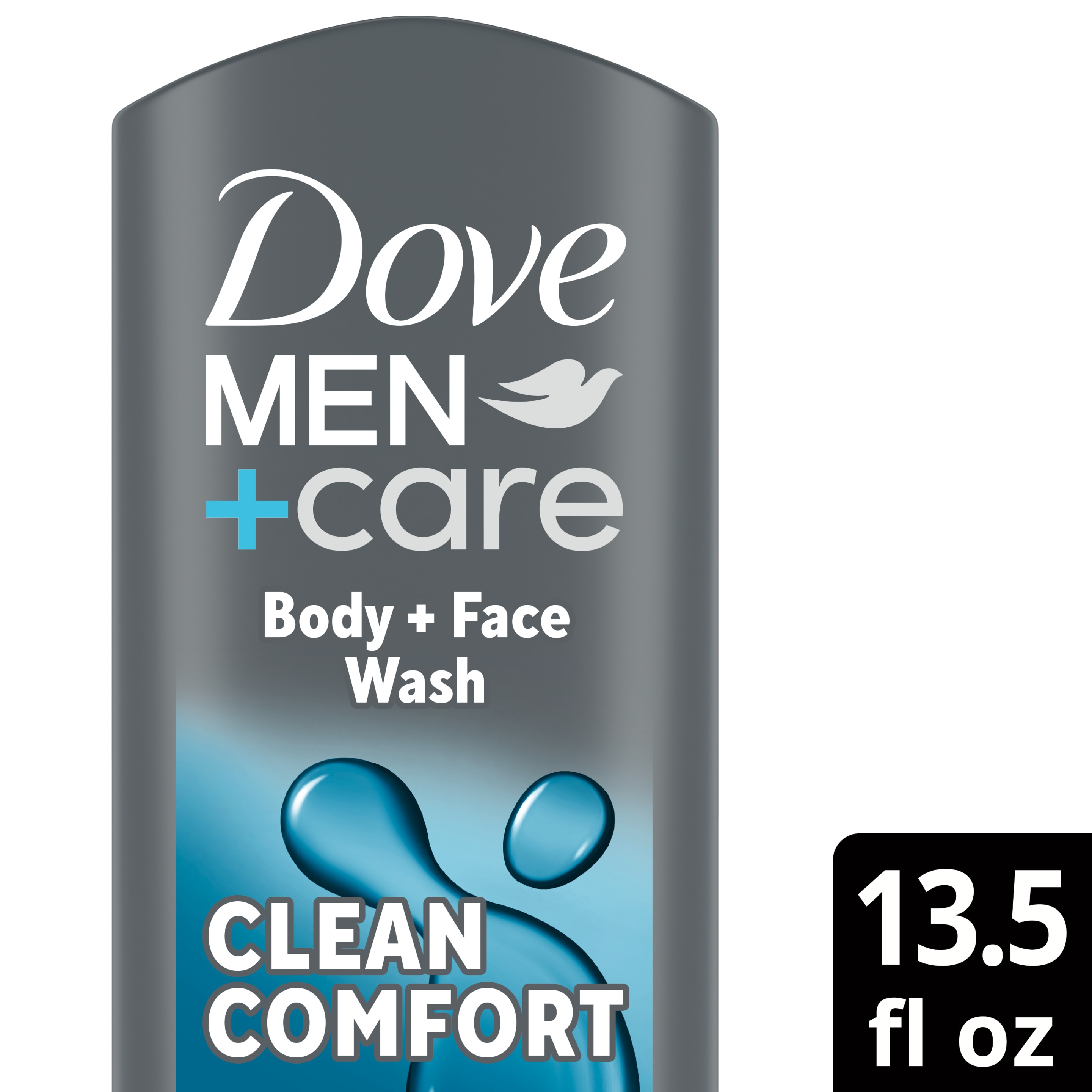
Switch to a moisturizing body wash. This can make a big impact. Look for formulas with glycerin or added moisturizing cream. Try Dove Men+Care Clean Comfort Body and Face Wash.
Exfoliate 1 to 3 times per week, not daily. Knowing how often to exfoliate your body is key. Over-exfoliation is one of the most common ways men make rough skin worse. Use a gentle exfoliating body bar like Dove Men+Care Deep Clean Body and Face Bar. It contains purifying grains to gently remove dead skin cells.
Moisturize straight after toweling off. Damp skin holds onto moisturizer much better than dry skin. Focus on the areas where the texture is roughest.
Use lukewarm water, not hot. Hot showers strip natural skin oils faster than any cleanser. Drop the temperature a couple of degrees and keep your showers under 10 minutes.
Wear daily SPF. UV damage is one of the main causes, and the only one you can actively prevent. Use SPF 30 or higher on exposed areas like the arms, hands, and neck during time outdoors.
Keep your routine consistent for at least 4 weeks. Skin cell turnover takes around 28 days, so routine changes need a full cycle before results show.
WHEN SHOULD YOU ADJUST YOUR ROUTINE?
Adjust your routine when your skin tells you to. Here are some signs:
Dial back exfoliation if your skin starts feeling tight, stings, is red or discolored. These are signs of over-exfoliation. Cut back to once a week or pause entirely for one to two weeks while your skin barrier recovers.
Switch products if rough patches get worse after a new body wash, lotion, or deodorant.
Layer in stronger treatments if your routine hasn’t improved things in four to six weeks. Add a urea-based lotion for keratosis pilaris bumps, or a lactic acid body lotion for general roughness.
See a dermatologist if your skin texture is painful, breaking out into open sores, or accompanied by other symptoms. Bumpy skin from keratosis pilaris is harmless, but bumpy skin that itches, oozes, or worsens despite routine adjustments needs medical care.
FAQs
Dry, bumpy skin usually comes down to moisture loss and dead skin-cell buildup. Sometimes keratosis pilaris adds to it, a common condition causing rough bumps on the upper arms or thighs. A gentler body wash, regular moisturizing, and exfoliating once or twice a week can make a difference within a few weeks.
Switch to a gentle, moisturizing body wash, exfoliate gently one to three times a week, and moisturize within three minutes of toweling off while your skin is still damp. Use lukewarm water, not hot. These steps work together because they address the two main causes at the same time: dryness and dead skin buildup.
It’s a common, harmless condition causing small, rough bumps on the upper arms, thighs, or cheeks. There’s no cure, but daily moisturizing, gentle exfoliation, and lotions with urea or lactic acid can help reduce its appearance.
Yes. Harsh cleansers, high-pH soaps, heavy synthetic fragrances, and alcohol-based products strip your skin barrier or trigger irritation. Switching to gentle, moisturizing formulas helps.
Most men notice improvement within four weeks. This is roughly one full cycle of skin cell turnover. If nothing has changed after six weeks of a consistent routine, it’s best to see a dermatologist.
Rough, bumpy, or uneven skin usually has a straightforward explanation and a fix to match. Get the cleanser right, exfoliate without overdoing it, moisturize while your skin is still damp, and protect it from the sun. Do that consistently for four weeks, and your skin should be smoother, softer, and more even-toned.
Sources
1. American Academy of Dermatology. Keratosis pilaris. Who Gets and Causes.
2. GoodRx. Keratosis pilaris (chicken skin): Photos, Causes, Treatments. 2026.
3. Journal of Investigative Dermatology. The Skin Acid Mantle: An Update on Skin pH. 2024.