;Resize=(280,110) "Dove - Let’s Change Beauty logo")
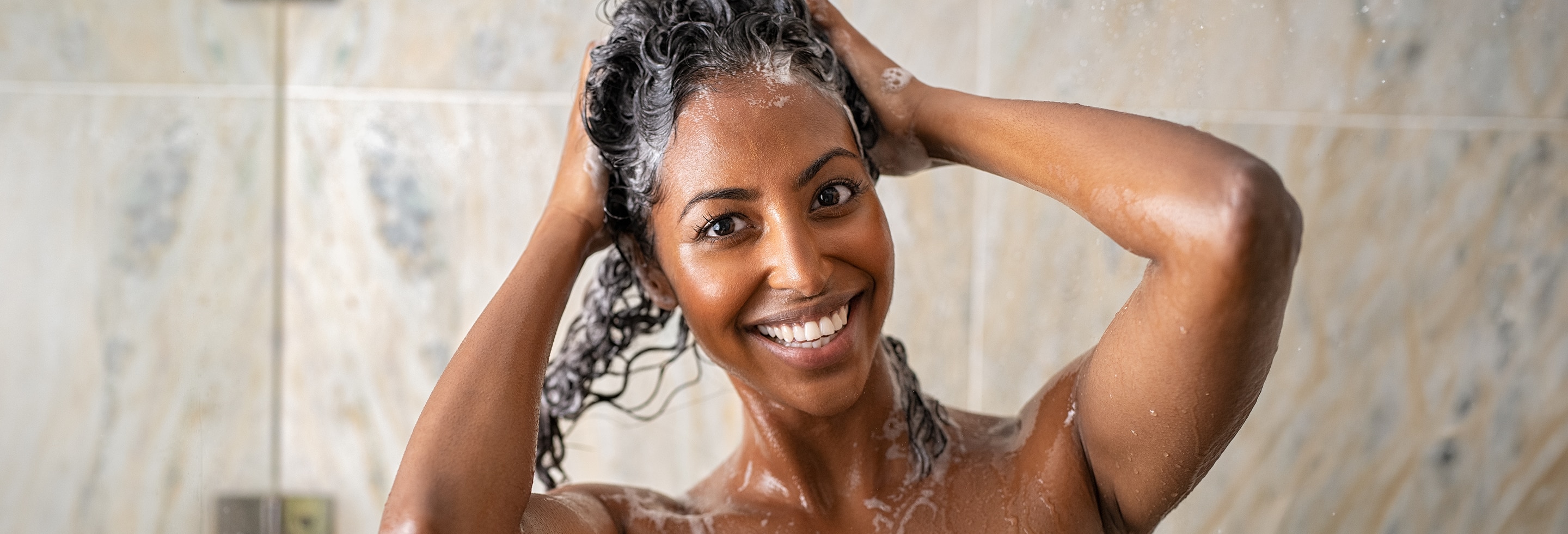
How often should you wash your hair? The answer depends on your scalp, hair type, lifestyle, and how your hair feels between washes. The best routine is one that keeps your scalp feeling comfortable, and your strands healthy-looking without over-cleansing or allowing excess oil and product buildup to take over.
Over-Washing vs Under-Washing: The Balance of Scalp Sebum and Hair Moisture
Your scalp naturally produces sebum to help protect both your skin and hair, so the goal isn't to remove it completely. The sweet spot is a routine that removes what your hair doesn't need without taking away what helps keep it balanced.
Signs you're over-washing
Washing your hair more often than your scalp and lengths need can sometimes leave them feeling drier over time, particularly when moisture isn't being replaced after cleansing. Common signs of over-washing include:
- Dry or brittle ends
- Hair that feels rough or straw-like soon after washing
- Increased frizz or static
- A scalp that feels tight or uncomfortable
- Color that fades faster than expected
Daily washing itself isn't the problem. As explained in 6 shampoo myths revealed, washing every day can work well when your routine matches your hair's needs and you use products designed to care for your strands while they cleanse.
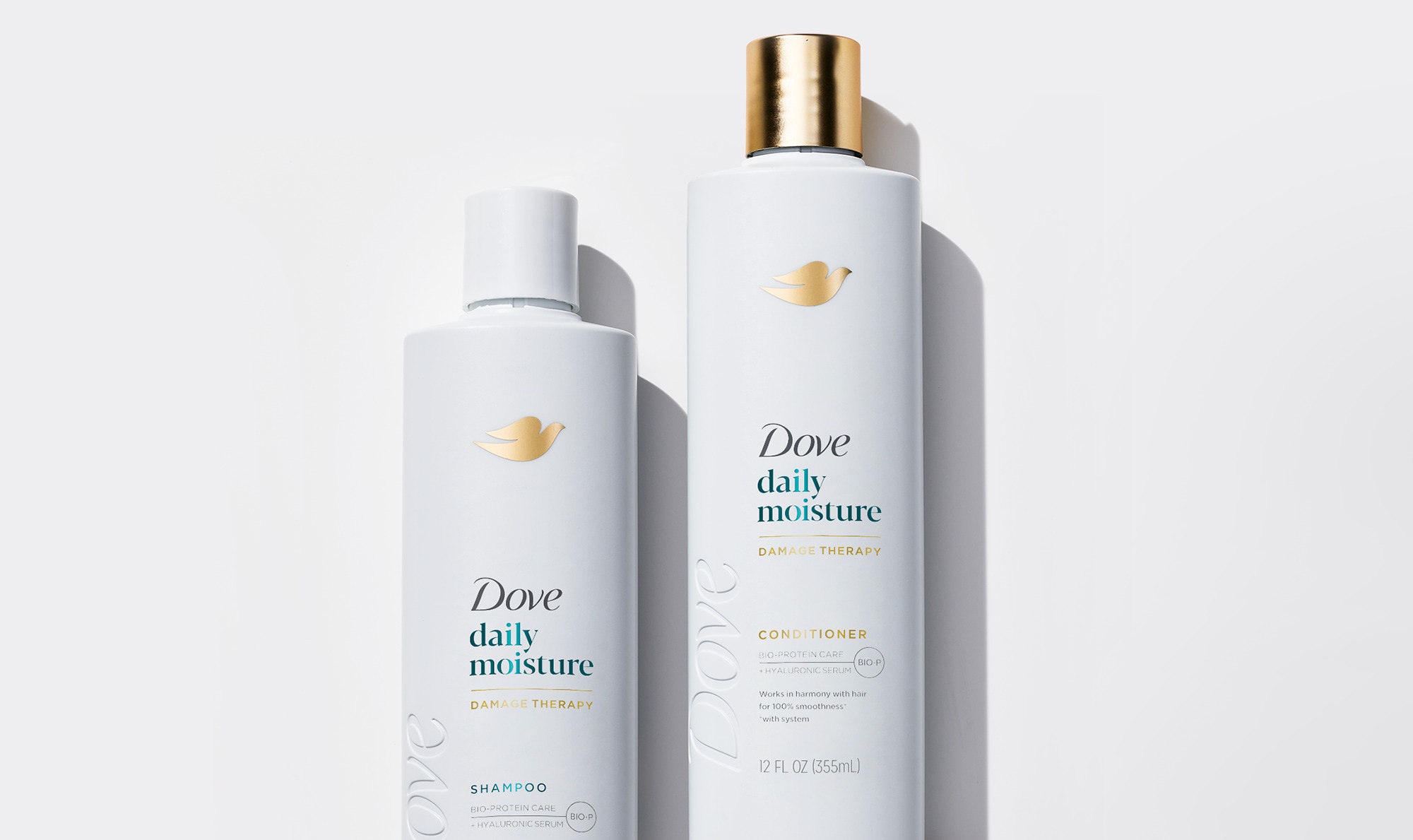
A lightweight, water-based formula like Dove Damage Therapy Coconut & Hydration Shampoo can make daily washing feel effortless, cleansing and hydrating without ever weighing hair down.
Signs you're under-washing
Waiting too long between washes can allow oil, sweat, styling products, and everyday pollutants to collect on the scalp and hair. Underwashing signs might include:
- Roots that look or feel greasy
- Hair that feels heavy or lacks movement
- Product buildup that dulls shine
- An itchy or flaky scalp
- Occasional breakouts around the hairline
If residue starts making your hair feel weighed down, it may be time for a deeper cleanse. Those dealing with persistent residue can also explore our guide on 5 ways to get rid of scalp buildup for practical tips on refreshing the scalp without compromising hair health.
The sebum balance explained
Your scalp helps look after your hair by producing sebum, a natural oil that helps keep the skin barrier healthy,¹ and protects your strands from drying out.
So, the goal should never be to wash all of it away, but rather to find a routine that removes excess oil, sweat and product buildup while leaving your scalp settled and your hair feeling nourished and resilient.
Because sebum production naturally changes with factors like age, hormones, weather and your daily routine, the wash schedule that works best for you may change over time.
Build Your Personalized Shampoo Schedule
There's no single schedule that works for everyone, but your hair type, scalp, and daily routine can give you a reliable place to start. Use these guidelines as a baseline, then adjust based on how your scalp feels, how quickly your roots become oily, and whether your lengths stay soft and manageable between washes.
|
Hair Type |
Wash Frequency |
Why |
Suggested Dove Shampoo |
|
Oily hair |
Daily to every other day |
Sebum builds up more quickly, leaving roots looking greasy sooner. |
Dove Derma Scalp Oil Control Shampoo for lightweight cleansing and natural-looking volume. |
|
Fine or thin hair |
Every 1 to 2 days |
Oil can weigh fine strands down faster, reducing body and movement. |
Dove Damage Therapy Daily Moisture Shampoo to hydrate without weighing hair down. |
|
Normal or medium hair |
Every 2 to 3 days |
A balanced scalp often stays comfortable for a few days between washes. |
Dove Damage Therapy Intensive Repair Shampoo to help support hair strength and manageability between washes. |
|
Curly hair |
About 1 to 2 times a week |
Curls benefit from retaining more of their natural moisture between washes. |
Dove Damage Therapy Amino Curl Repair Shampoo to help nourish and support hair that's more prone to dryness. |
|
Coily or textured hair |
Weekly to every 2 weeks |
Depending on your styling routine and scalp needs, less frequent cleansing can help preserve moisture while keeping the scalp comfortable. |
Dove Damage Therapy Amino Curl Repair Shampoo for wash days; Love Those Bold Curls Defined Curls Sulfate-Free Co-Wash between washes where it suits your routine. |
|
Color-treated hair |
About 2 to 3 times a week |
Washing less often may help maintain color vibrancy while keeping the scalp fresh. |
Dove Damage Therapy Bond Strength Shampoo to help repair signs of damage and support hair bonds weakened by coloring and chemical treatments. |
|
Sun-exposed or UV-damaged hair |
Every 2 to 3 days |
UV exposure gradually breaks down protein structure and strips moisture, so hair needs consistent but not excessive cleansing to stay balanced. |
Dove UV Repair & Glow Shampoo to help repair UV-induced damage and restore shine with continued use. |
|
Thinning or fine hair needing fullness |
Every other day to every 2 to 3 days |
Washing too infrequently can weigh down fine, thinning strands at the root, while over-washing adds unnecessary stress to a sensitive scalp. |
Dove Derma Scalp Density Boost Shampoo to help strengthen fine hair and support fuller-looking density from root to tip. |
|
Dandruff-prone or itchy, flaky scalp |
2 to 3 times a week, or as directed |
Regular, gentle cleansing helps keep flaking and irritation under control without over-stripping the scalp's natural moisture barrier. |
Dove Derma Scalp Dandruff & Itch Relief Shampoo to help relieve dryness, itching and flaking with continued use. |
How to Wash Your Hair: A Step-by-Step Ritual
How you wash your hair is just as important as how often you wash it. A few small changes to your routine can help your shampoo and conditioner work more effectively while reducing unnecessary stress on your hair.
- Wet your hair thoroughly with lukewarm water. This helps loosen excess oil and product buildup while preparing your scalp for a more even cleanse.
- Apply shampoo to your scalp first. Massage it in gently with your fingertips using small circular motions, focusing on the roots where oil, sweat, and residue naturally collect. As you rinse, the lather will cleanse the lengths without the need for vigorous scrubbing.
- Rinse completely before conditioning. Removing shampoo thoroughly allows your conditioner to coat the hair more evenly.
- Apply conditioner through the mid-lengths and ends. If your hair is fine or your roots become oily quickly, concentrate conditioner where your hair needs moisture most.
- Leave the conditioner on for one to three minutes. Giving it a little time before rinsing helps conditioning ingredients smooth the hair surface and improve manageability.
- Blot your hair dry instead of rubbing it. Gently squeeze away excess water with a microfiber towel or soft cotton T-shirt. Wet hair is at its most delicate, so less friction means less breakage and fewer flyaways.
Small habits like these can make a noticeable difference over time, helping your hair stay comfortable, manageable, and healthy-looking between washes without adding extra steps to your routine.
How to Extend Your Style Between Washes
Not every day needs to be a wash day. When your scalp still feels comfortable, but your style could use a refresh, a few simple habits can help keep your hair looking its best until your next shampoo.
Dry shampoo
Dove dry shampoo can be a great way to refresh your roots when they start looking oily before you're ready for a full wash. Applied to the roots, it absorbs excess oil and can add a little extra lift to fine or flat hair. Like any styling product, though, it's best used in moderation.
Scalp care between washes
Healthy-looking hair starts with a comfortable scalp, even on the days you skip shampoo. Gently brushing your hair helps distribute natural oils through the lengths, while occasional exfoliation can help get rid of scalp buildup before it becomes noticeable. If styling products begin to leave your roots feeling coated or heavy, it may be time for a clarifying wash.
Simple styling habits that help hair stay fresher
Sleeping on a silk or satin pillowcase helps reduce friction while you rest, and loose braids, buns, or ponytails can minimize tangling and keep hair looking neater for longer.
Try to avoid touching your hair throughout the day, as your hands can transfer oil to the strands. If your ends begin to feel dry before your next wash, apply a small amount of lightweight leave-in treatment like Dove Damage Therapy Intensive Repair 10-in-1 Serum to the mid-lengths and ends, keeping it away from the scalp to avoid weighing the roots down.
Discover our dermatologist-tested Dove shampoo range and benefit from formulas designed to support daily washing, less frequent washing, and every routine in between.
FAQs
No, it isn't bad to wash your hair every day if your scalp needs frequent cleansing and you're using products that support your hair's moisture balance. If you have an oily scalp, exercise regularly, or spend time in hot weather, a gentle routine with Dove Derma Scalp Oil Control Shampoo can help keep your hair clean, soft, and comfortable.
The main signs you're over-washing your hair include dry or brittle ends, increased frizz, a tight-feeling scalp, and hair that feels rough soon after washing. If you notice these changes, your hair may benefit from washing less often or switching to a more hydrating shampoo that better supports your hair's moisture needs.
Yes, wash frequency may need to change with the seasons because weather affects both your scalp and hair. Hot, humid months may call for more frequent washing, while colder, drier weather can leave hair needing extra hydration, making a nourishing routine with Dove Damage Therapy Daily Moisture Shampoo a good seasonal adjustment.
No, you can't train your hair to produce less oil because sebum production is largely influenced by factors such as hormones, age, and genetics. You can, however, build a routine that helps your hair stay fresh between washes by choosing products that suit your scalp and avoiding unnecessary product buildup.
You may want to wash your hair after a workout if sweat, oil, or styling products leave your scalp feeling uncomfortable or your roots feeling greasy. If your hair doesn't need a full wash every time, refreshing your scalp or using dry shampoo between washes can help extend your style until your next shampoo.
Sources
- Li D, Zhou Z, Yang X, et al. A Comprehensive Review: The Bidirectional Role of Sebum in Skin Health. 2025.