;Resize=(280,110) "Dove - Let’s Change Beauty logo")

WHAT ARE BREATHABLE FABRICS?
Most formal wear works against you in the heat. Synthetic fabrics like polyester and polyester-heavy blends can trap moisture and heat against your skin. That’s why you can feel damp soon after getting dressed if it’s a warm day.
Natural fabrics do the opposite. Linen and tropical wool (lighter, “summer wool”) let your body breathe. Air moves through the fabric, helping sweat evaporate instead of sitting on your skin.
When choosing the best summer fabric for a suit, look for fabrics with an open weave. This means the threads are woven more loosely, creating tiny gaps that let air pass through and help your skin stay cool.
Color matters too. Dark shades like black and charcoal (although popular for suits) absorb heat. Lighter colors like light grey or tan reflect it and feel cooler. One more tip: subtle patterns do a better job of hiding sweat marks.
YOUR SECRET WEAPON: THE UNDERSHIRT
Even the best summer suit can’t do all the work. You still need something underneath to handle sweat. That’s where a moisture-wicking, quick-drying undershirt comes in. It pulls sweat off your skin and moves it outward so it can dry faster. You stay drier, and your shirt stays sharp. If you’re in meetings all day or moving between indoors and heat, this layer makes all the difference.
Features to look for:
- Absorbent underarm pads: These help prevent sweat marks and are perfect if you’re a heavy sweater.
- Seamless fit: Prevents lines from showing through your thin summer shirts.
- Neutral colors and deep V neck: Stays invisible underneath and even with the top button undone.
SMART LAYERING
Your workday is about entering different "temperature zones", from the humid subway to the air-conditioned boardroom, and your corporate wear should adapt to all of them. The key isn’t adding more layers. It’s wearing the right ones and being able to adjust quickly.
Start with your moisture-wicking base layer, add a dress shirt made of breathable fabric, and finish with a lightweight, unlined jacket. That’s it. When things heat up, and you’re not in a formal setting, you can lose the jacket. When it’s time for a meeting, put it back on. No stress, no overheating, no last-minute panic.
For high-stakes days, add dress shields to your jacket. These disposable or washable pads pin into the underarm part to protect it from moisture. You probably won’t need them every day, but they’re a lifesaver when you’re giving a presentation or asking for a raise.
ROUTINE MOVES TO KEEP YOU COOL
The best suit fabric can’t save you if your routine isn’t on point. Start with a shower using a body wash that cleanses without drying your skin. Dry off completely, then apply deodorant or antiperspirant. Antibacterial deodorants target odor, while antiperspirants reduce sweat and odor. Many contain aluminum for more effectiveness.
For maximum results, apply a clinical-strength or aluminum-based antiperspirant at night on clean, dry skin. Sweat glands are less active while you sleep, giving the formula time to settle. Applying in the morning while you’re already moving can dilute it before it has a chance to work.
CONTROL YOUR ENVIRONMENT, CONTROL YOUR TRIGGERS
Breathable fabrics and smart layering only get you halfway there. Staying dry also means small changes and managing the triggers that spike your body temperature.
Optimize your workspace
Keep air moving with a personal desk fan, especially if you’re stuck in a stuffy corner. Keep a water bottle on your desk as a reminder to sip regularly, since staying hydrated helps your body cool itself efficiently.
Focus on stress management
Physical heat is only half the battle when you’re trying to stay cool in a suit. Stress triggers your apocrine glands, which can cause the dreaded “cold sweat.”
“Apocrine glands produce an oily sweat and are found in body areas with hair follicles like your armpits and groin, and they’re activated by an emotional response,” explains Unilever R&D Manager Bivash Dasgupta. “This fatty and oily sweat does not have any odor on its own, but when certain skin microbes feed on it, it gets broken down to produce a strong odor.”
The key is managing stress before it spikes. Here’s how:
- Prepare: Being ready reduces stress. Practice your presentation, review documents ahead of your meeting, get a good night’s sleep, and start the day fresh.
- Exercise: A quick gym session at lunch or after work helps burn off tension and keeps stress from building.
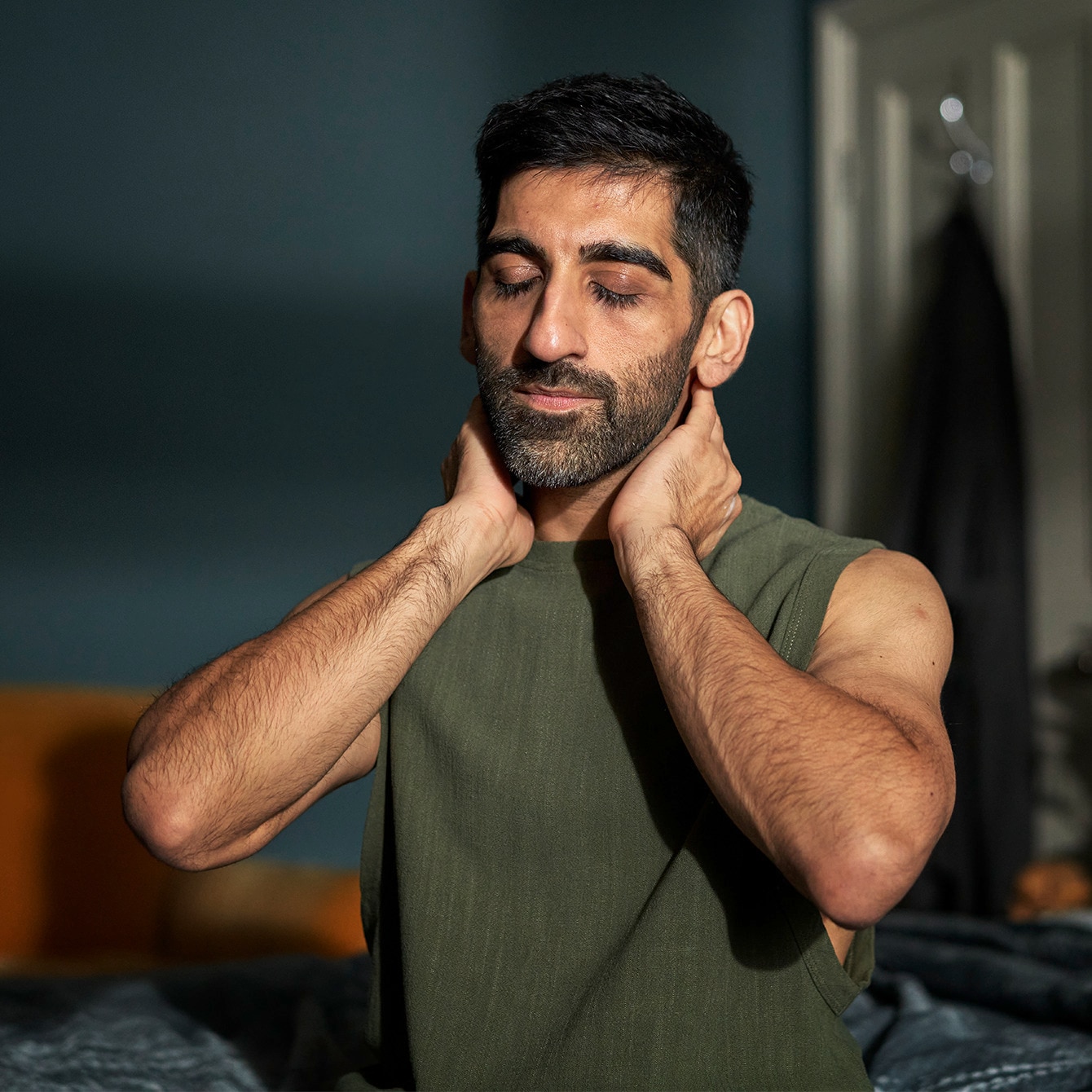
- Practice: Just 5–10 minutes of deep breathing or meditation before you get out of bed or even in the shower can reset your stress response and help keep sweat in check.
Try a midday reset
Sometimes your environment is out of your control. A few quick fixes can keep you comfortable and prevent sweat from disrupting your professional look. Keep a small kit in your desk drawer with these essentials:
- Wet wipes to freshen up.
- A travel-size deodorant for a quick boost of freshness.
- Spare undershirt and shirt: If your day runs long, changing into fresh clothing gives you a full reset before an evening event.
- Face cloth or small towel for discreet drying off.
Mind what you eat and drink
Spicy foods and caffeine can raise your core temperature and trigger sweat. Garlic and onions are not just bad for your breath; they can make body odor worse. Stick to lighter meals and sip water throughout the day to help keep your body cool and comfortable.
FAQs
How do I stop sweating in a suit at work?
Wear a moisture-wicking undershirt and a suit made from breathable fabrics like linen or tropical wool. Apply antiperspirant the night before, so it has time to work before your day begins. Know your stress triggers and try to manage them to keep sweat under control.
What fabrics are best for summer office wear?
Linen and tropical wool are top choices for summer because they are breathable fabrics. Air can flow through, helping sweat evaporate.
Why do I sweat more during presentations?
High-pressure moments trigger your apocrine glands, which react to adrenaline instead of heat. This sweat is more concentrated and smells stronger than regular sweat.
Looking sharp in a suit is more than just style. It’s about staying comfortable, confident, and in control all day. With the right fabrics, smart layering, and a few simple routines, you can beat sweat, manage stress, and stay fresh from your morning commute to your last meeting or evening event. Next time you suit up, you’ll be ready to move, present, and impress without worrying about visible sweat.