• 1

    Hormonal changes (estrogen drop)

    One of the main causes of perimenopause body odor is the natural decline in estrogen. Estrogen plays a key role in regulating body temperature. As levels drop, the body can become less efficient at cooling itself, leading to more frequent hot flashes and sweating. More sweat means more opportunity for odor to develop.

  • 2

    Increased sweat production

    As your internal thermostat becomes more sensitive due to hormonal shifts, you may find yourself sweating more often – especially at night or during stressful moments. This excess perspiration, particularly from the apocrine glands (located in the underarms and groin), can mix with bacteria on the skin and cause stronger or unfamiliar smells. This is a common complaint when discussing menopause body odor and body odor during perimenopause.

  • 3

    Changes in skin bacteria

    The skin’s microbiome – the community of bacteria living on your skin – can shift due to hormonal changes, aging, and even lifestyle habits. These changes may lead to an increase in odor-causing bacteria, which break down sweat into compounds that smell more intense. This change is one reason perimenopause body odor might seem different or harder to control than before.

  • 4

    Stress and cortisol spikes

    Perimenopause often brings mood swings, anxiety, and stress – all of which can elevate cortisol levels. Higher cortisol levels can trigger more sweat, especially from the apocrine glands, which are associated with emotional sweating. Stress-related sweat tends to have a stronger smell because of the type of sweat gland involved.

  • 5

    Dietary and lifestyle changes

    What you eat and how you care for your body can also affect how you smell. Spicy foods, caffeine, alcohol, and processed sugars can all contribute to stronger body odor. Additionally, changes in exercise habits or personal hygiene routines during perimenopause may impact the body’s natural scent.

  • 6

    Slower metabolism and detoxification

    As you age, your metabolism may slow down, and your liver and kidneys might process waste slightly less efficiently. This can affect how toxins are eliminated from the body and may contribute to a subtle shift in odor.

  • 7

    Dehydration

    If you're not drinking enough water – especially during hot flashes or after sweating heavily – your body may become dehydrated. Dehydration can cause sweat to become more concentrated, intensifying its smell and making perimenopause-related body odor more noticeable.

  • 1

    Use deodorant designed for whole-body use

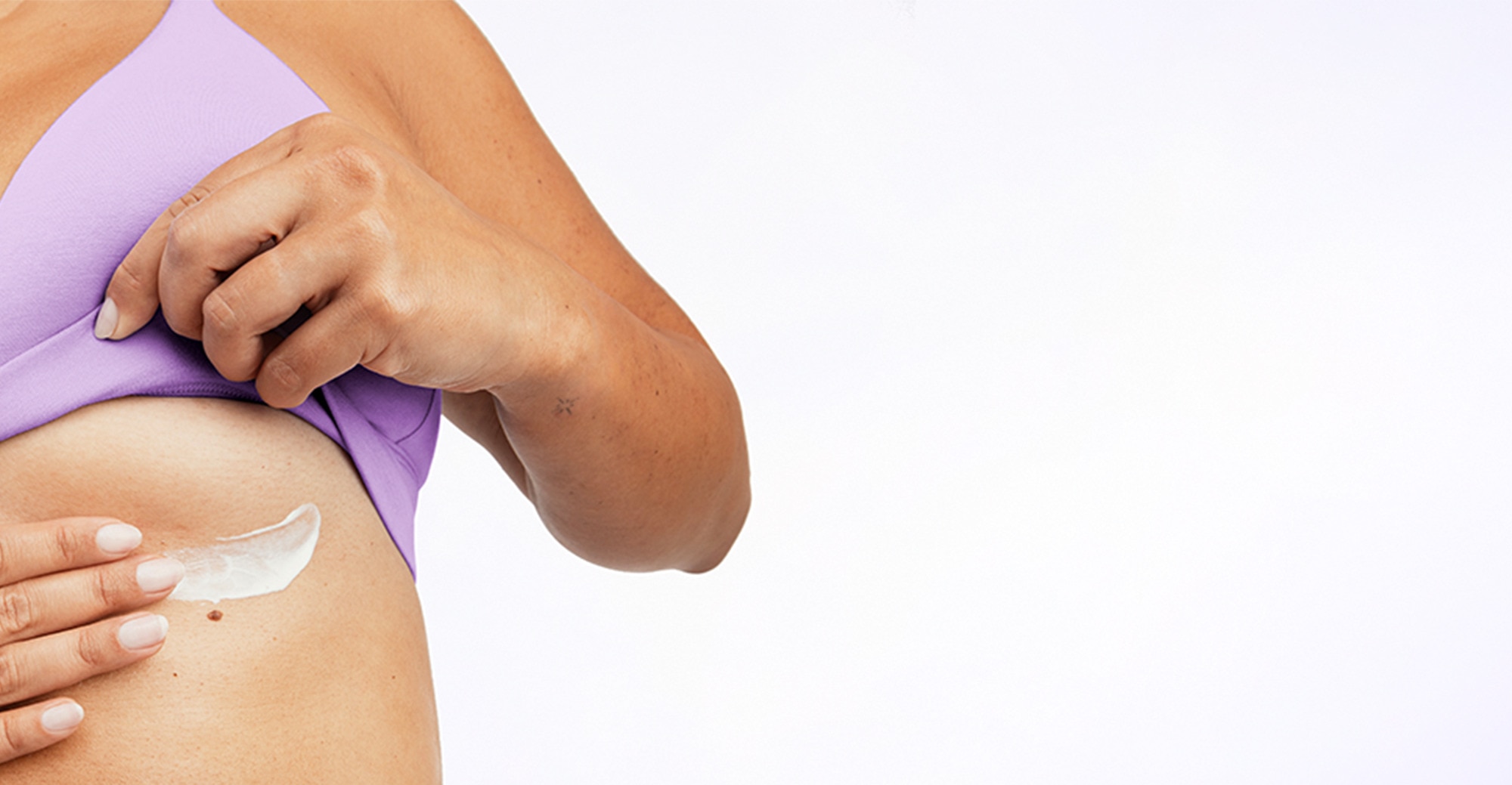
    Traditional deodorants focus on underarms, but menopause body odor can affect other areas, too. Opt for products like our Whole Body Deo collection, which are specially formulated to be safe for use on all external areas, including underboobs, inner thighs, and more. These solutions provide gentle yet clinically effective odor control while supporting your skin's natural balance.

  • 2

    Shower regularly with gentle, pH-balanced cleansers

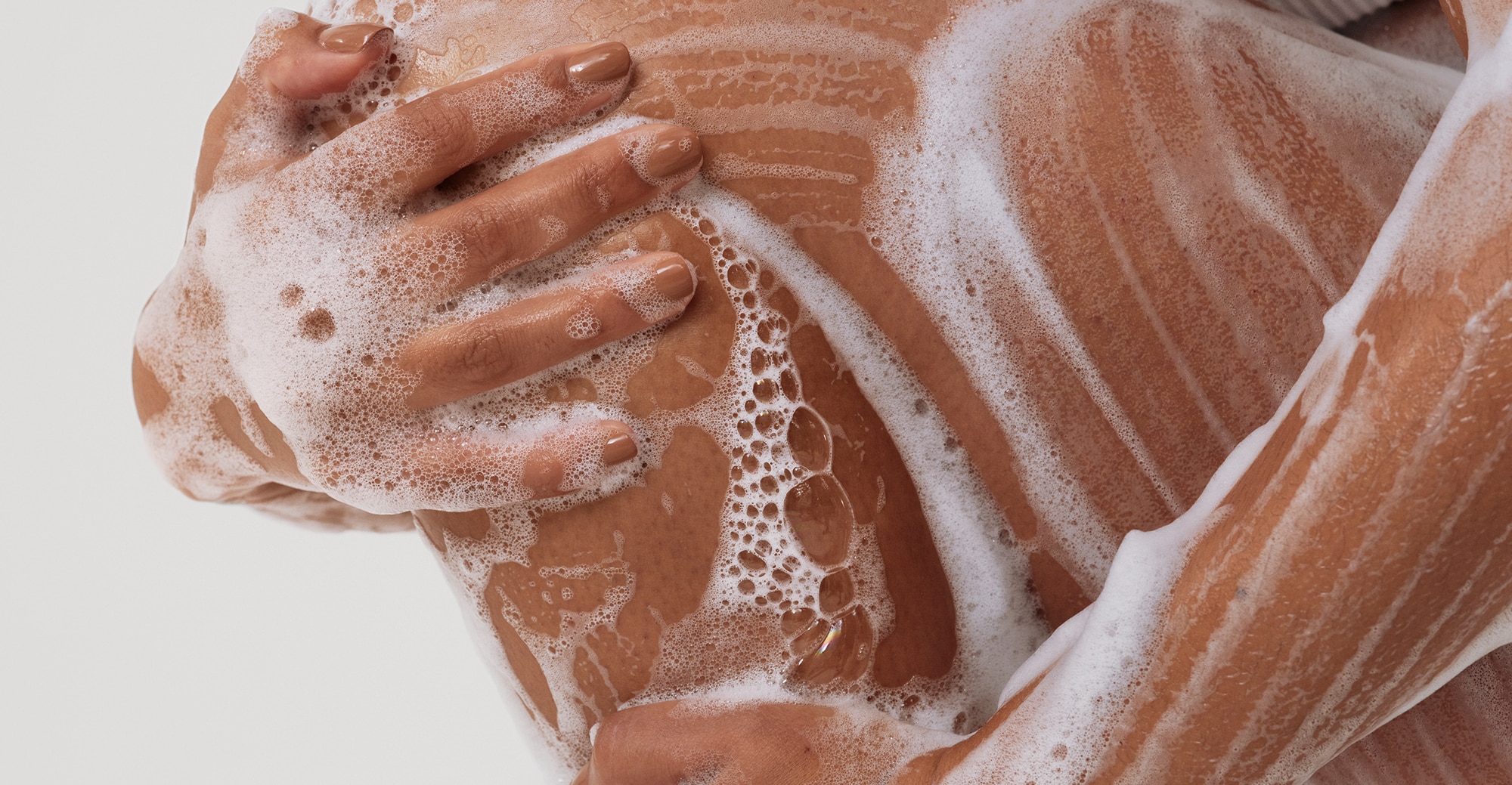
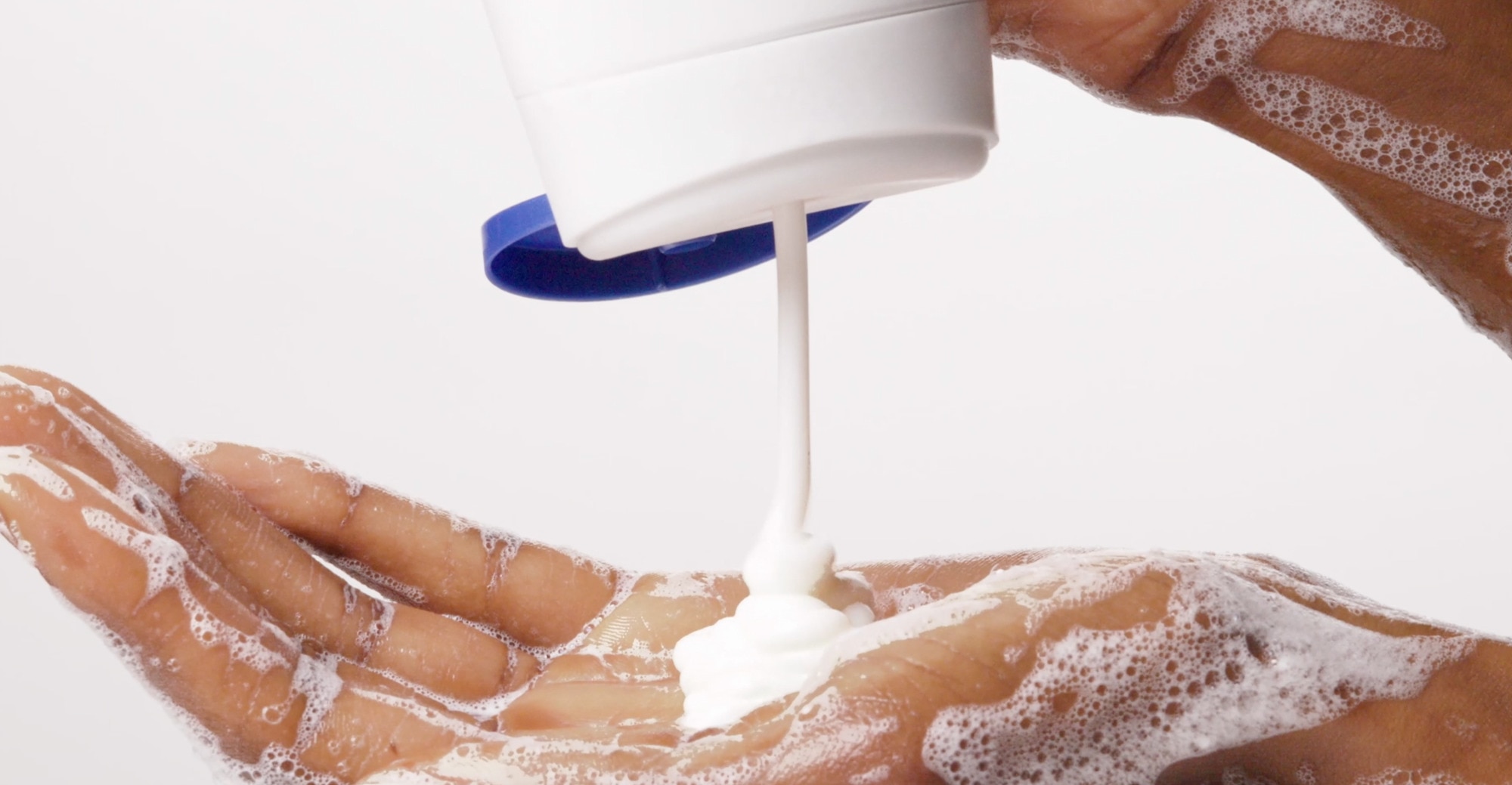
    Daily cleansing helps remove sweat, bacteria, and odor-causing compounds. Use a non-drying, pH-balanced body wash that respects your skin’s microbiome, especially if you’re experiencing increased sensitivity during perimenopause or menopause.

  • 3

    Wear breathable, moisture-wicking fabrics

    Clothing made from natural or technical fibers like cotton, bamboo, or moisture-wicking blends can help reduce sweating and odor buildup. Avoid tight, synthetic clothing that traps heat and moisture against the skin.

  • 4

    Stay hydrated

    Drinking plenty of water helps flush out toxins and keeps your sweat less concentrated. This can help reduce the intensity of body odor during perimenopause and support your overall skin health.

  • 5

    Keep your nutrition in mind

    Certain foods – like spicy dishes, caffeine, and alcohol – can trigger sweat production or cause your body odor to change. A balanced diet rich in leafy greens, fruits, and whole grains can help minimize unpleasant odors.

  • 6

    Manage stress levels

    Stress raises cortisol levels, which can activate sweat glands and increase odor. Techniques like meditation, deep breathing, or regular exercise can help manage anxiety and reduce stress-related menopause body odor.

  • 7

    Exfoliate regularly

    Exfoliating once or twice a week helps remove dead skin cells and reduce the buildup of bacteria on the skin’s surface. Choose a gentle scrub or exfoliating cloth, especially for areas prone to sweating.