• 1

    Friction from skin-to-skin contact

    Areas like the inner thighs, underarms, and underboob are prone to rubbing together during movement, especially during exercise or in warm weather. This repeated contact can cause irritation, redness, and eventually painful chafing.

  • 2

    Moisture from sweat or wet clothing

    Sweat increases your skin’s sensitivity and softens the top layer, making it more vulnerable to friction. Wearing wet clothing – like after a workout or swim – can prolong moisture exposure and raise the risk of chafing.

  • 3

    Tight or ill-fitting clothing

    Clothing that’s too tight can rub against your skin, while loose clothing may bunch up and cause friction. Seams, tags, and rough fabrics can also irritate your skin and lead to chafing.

  • 4

    Repetitive movement or exercise

    Activities like running, walking long distances, cycling, or hiking can create constant motion that increases the chance of skin rubbing together or against clothing. Endurance sports especially heighten the risk due to prolonged friction and sweat buildup.

  • 5

    Heat and humidity

    Hot and humid weather causes you to sweat more, which keeps skin damp and (just like we mentioned above) more prone to chafing. The combination of heat, moisture, and friction creates an ideal environment for irritation to develop.

  • 6

    Improper routine or product use

    Delaying your shower after sweating, or using products that irritate your skin (like certain deodorants or body sprays) can make skin more vulnerable to chafing. It’s important to keep your skin clean, moisturized, and protected as best you can.

  • 1

    Wear moisture-wicking clothing

    Choose breathable, moisture-wicking fabrics (like polyester blends or performance wear) that help pull sweat away from your skin. These materials reduce friction and keep you drier even during your busiest days.

  • 2

    Apply an anti-chafing product

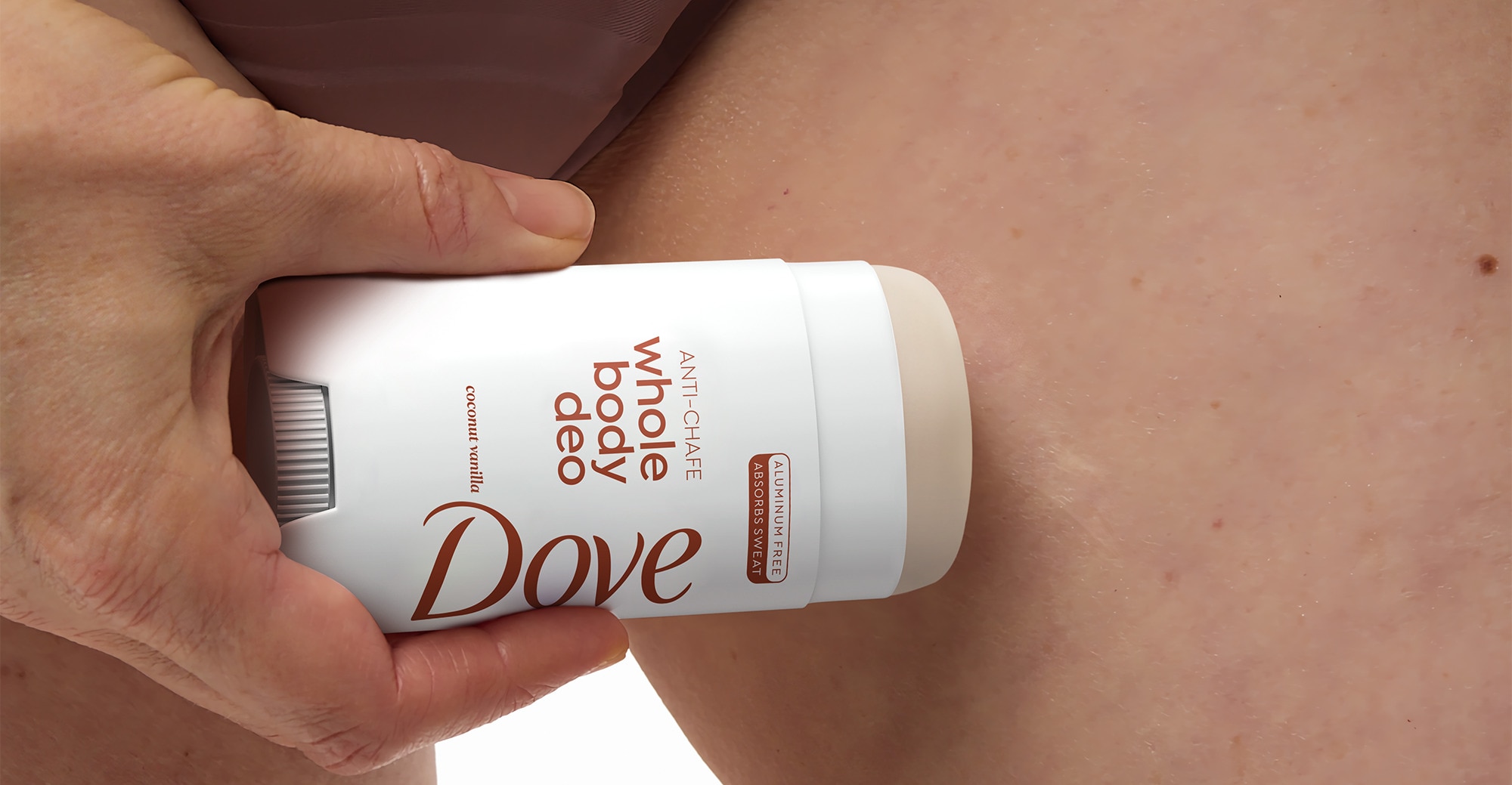
    Before physical activity or heading out on a warm day, apply an anti-chafing balm, stick, or cream to high-friction areas like inner thighs, underarms, or underboobs. Products like our Whole Body Deos offer added protection with skin-nourishing ingredients.

  • 3

    Choose the right fit

    Ill-fitting clothes – whether too tight or too loose – can lead to bunching, rubbing, and increased friction. Make sure your clothing fits properly and stays in place as you move throughout the day.

  • 4

    Stay dry throughout the day

    Chafing is worse when your skin stays damp. Use body powders or antiperspirants in sweat-prone areas to keep moisture at bay, especially during warm, humid or rainy weather.

  • 5

    Shower and change after sweating

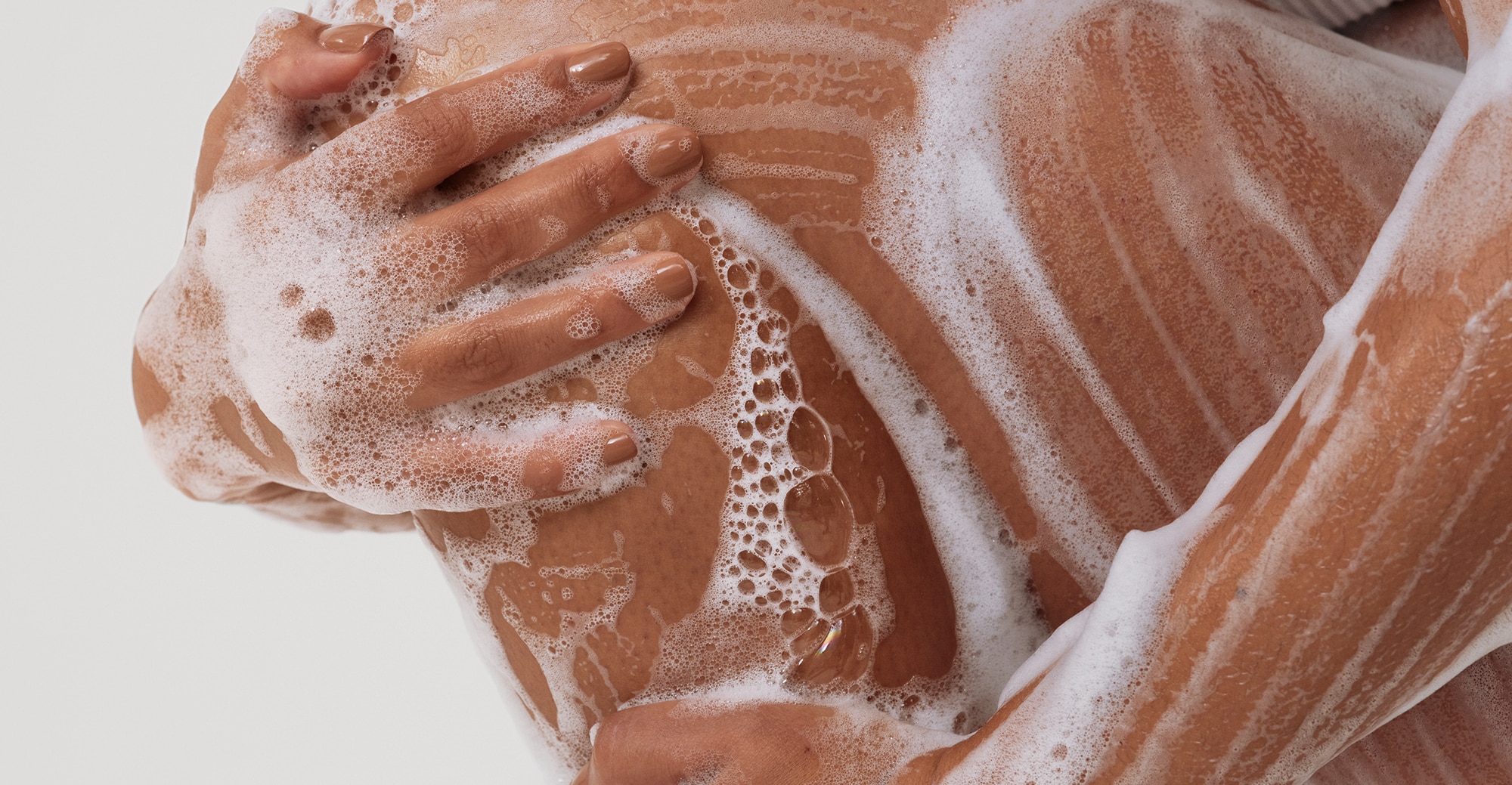
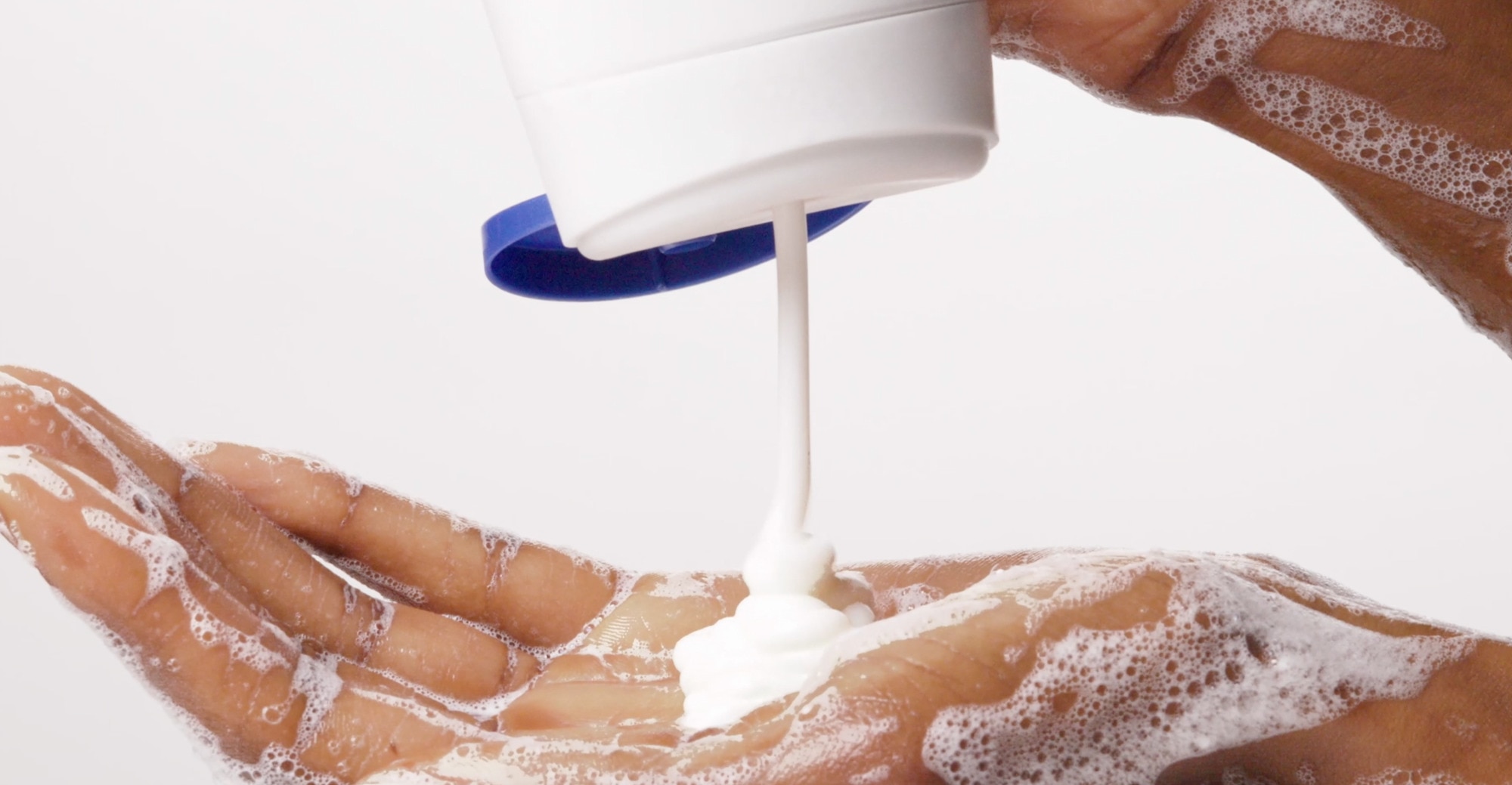
    After exercise, outdoor activity, or any situation where you've built up sweat, shower as soon as possible and change into clean, dry clothes. Prolonged exposure to damp fabric will increase the risk of your skin feeling irritated and chafed.

  • 6

    Stay hydrated

    Drinking plenty of water helps regulate your body temperature and reduces the amount you sweat. Less sweat means drier skin – and less risk of friction-related irritation.