;Resize=(280,110) "Dove - Let’s Change Beauty logo")
What is a cold shower?
How to take a cold shower might seem simple, but each person’s definition of “cold” is different. As a general rule, a cold shower is really just using water that is cooler than your body temperature, typically below 70°F (21°C). While it might sound daunting, many find it refreshing and energizing. But is a cold shower good for you? Let's explore.
What does a cold shower do?
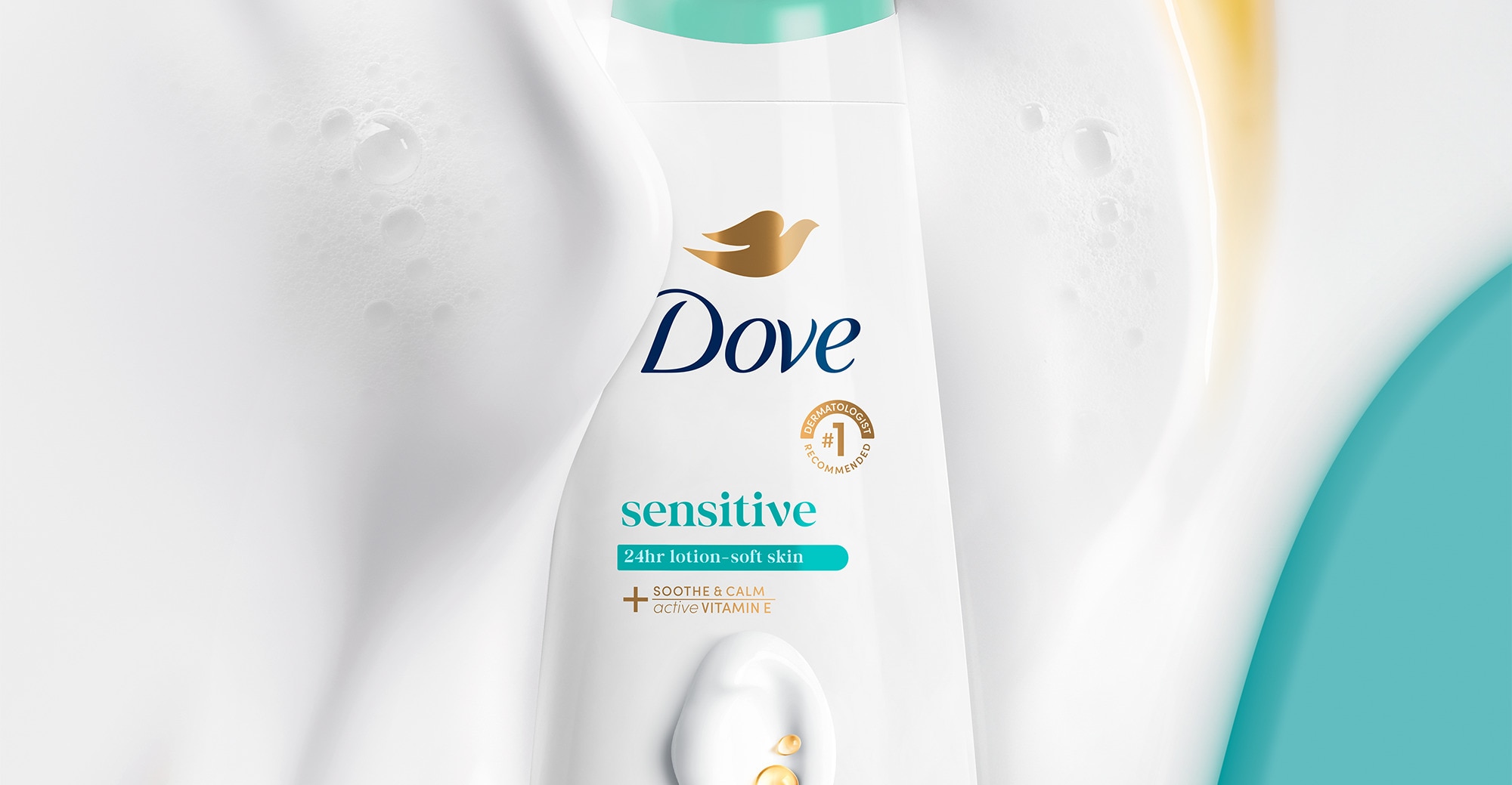
Cold showers can give your skin a real boost. They help tighten pores, reduce puffiness, and improve circulation, which can lead to a more radiant complexion. Cold water can also help soothe sensitive skin, making it an excellent choice for those who use products like Dove Sensitive Skin Body Wash or Dove Soothing Care Beauty Bar. These staples are gentle on the skin and can enhance the benefits of your cold shower routine.
Benefits of cold showers for the body and mind
• Boosts mood and reduces stress
Cold showers stimulate the production of endorphins – your body's natural “feel-good” chemicals. The sudden exposure to cold water can also trigger a wave of alertness and mental clarity. This shock to the system has even been linked to improved overall emotional resilience over time.
• Increases alertness and energy
When cold water hits your skin, it causes a sharp intake of breath and increases heart rate and oxygen intake. This response can make you feel instantly more awake and energized, making cold showers a great way to start the day or shake off midday fatigue.
• Improves circulation
Cold showers cause your blood vessels to constrict (vasoconstriction), which forces blood to flow more efficiently to your organs and muscles. This improved circulation helps nourish cells, remove waste products, and can even contribute to a healthier cardiovascular system when done regularly.
• Supports immune function
Some research suggests that regular cold exposure may help stimulate the production of white blood cells, which are key to fighting off illness. By challenging the body in small, controlled ways, cold showers may enhance immune system activity and overall resilience.
• Aids in muscle recovery
Athletes have long used cold therapy to help reduce muscle soreness after intense workouts. Cold showers can offer similar benefits by reducing inflammation, flushing out lactic acid buildup, and speeding up recovery time – especially when taken soon after exercise.
• Enhances skin and hair health
Cold water helps tighten pores and cuticles, which can reduce excess oil and keep skin looking fresh. It also prevents skin from drying out as much as hot water can. For hair, cold water helps smooth the cuticle layer, enhancing shine and reducing frizz.
How to add cold showers into your routine
If you're new to cold showers, start gradually. Begin with your usual warm shower and slowly decrease the temperature. Aim to spend 2-3 minutes under cold water to get all the benefits. Listen to your body and adjust how long you spend as needed. Consistency is key, so try adding cold showers into your routine a few times a week.
Cold showers vs hot showers
Both cold and hot showers offer unique benefits, and understanding how they affect your body can help you make the right choice depending on your needs and goals. If you want to feel alert, reduce inflammation, or recover after a workout, cold showers may be more beneficial. If you're looking to relax, relieve sore muscles, or prep for sleep, hot showers are likely the better choice. Many people find that alternating between the two – sometimes called contrast showers – can combine the benefits, improving circulation and helping regulate body temperature.
Cold showers can be a refreshing addition to your personal care routine. Whether you're looking to enhance your skin's appearance or boost your mental clarity, cold showers offer a range of benefits. To complement your shower routine, try Dove Sensitive Skin Body Wash or Dove Soothing Care Beauty Bar for an ultimate skin-boosting ritual.