What is the skin microbiome?
Your skin microbiome is a living, protective layer made up of billions of microorganisms (some friendly and some not-so-friendly) that sit on your skin’s surface. It’s a diverse community of bacteria, fungi and other microbes (often called skin flora) that live on your skin. Think of it as an invisible ecosystem that:
- Helps defend against an imbalance of harmful microbes
- Supports your skin barrier
- Contributes to balanced pH and moisture
- Produces skin-relevant nutrients and lipids
Just like a fingerprint, your skin microbiome is unique to you. It’s shaped by genetics, lifestyle, environment, diet – even whether you have pets. And it isn’t the same everywhere: your face, underarms and legs each host slightly different microbial communities.
What does an unhealthy skin microbiome look like?
When this ecosystem becomes less diverse or unbalanced, you may notice:
- More dryness, tightness, or rough texture
- Links to conditions like atopic dermatitis and eczema
- Sometimes imbalance isn’t visible right away, but the microbiome may be offering less support to your skin barrier – making skin more vulnerable over time.
What disrupts the skin microbiome?
Several everyday habits can disturb the balance of your microbiome and weaken your skin barrier. So avoid these if possible to help balance skin microbiome:
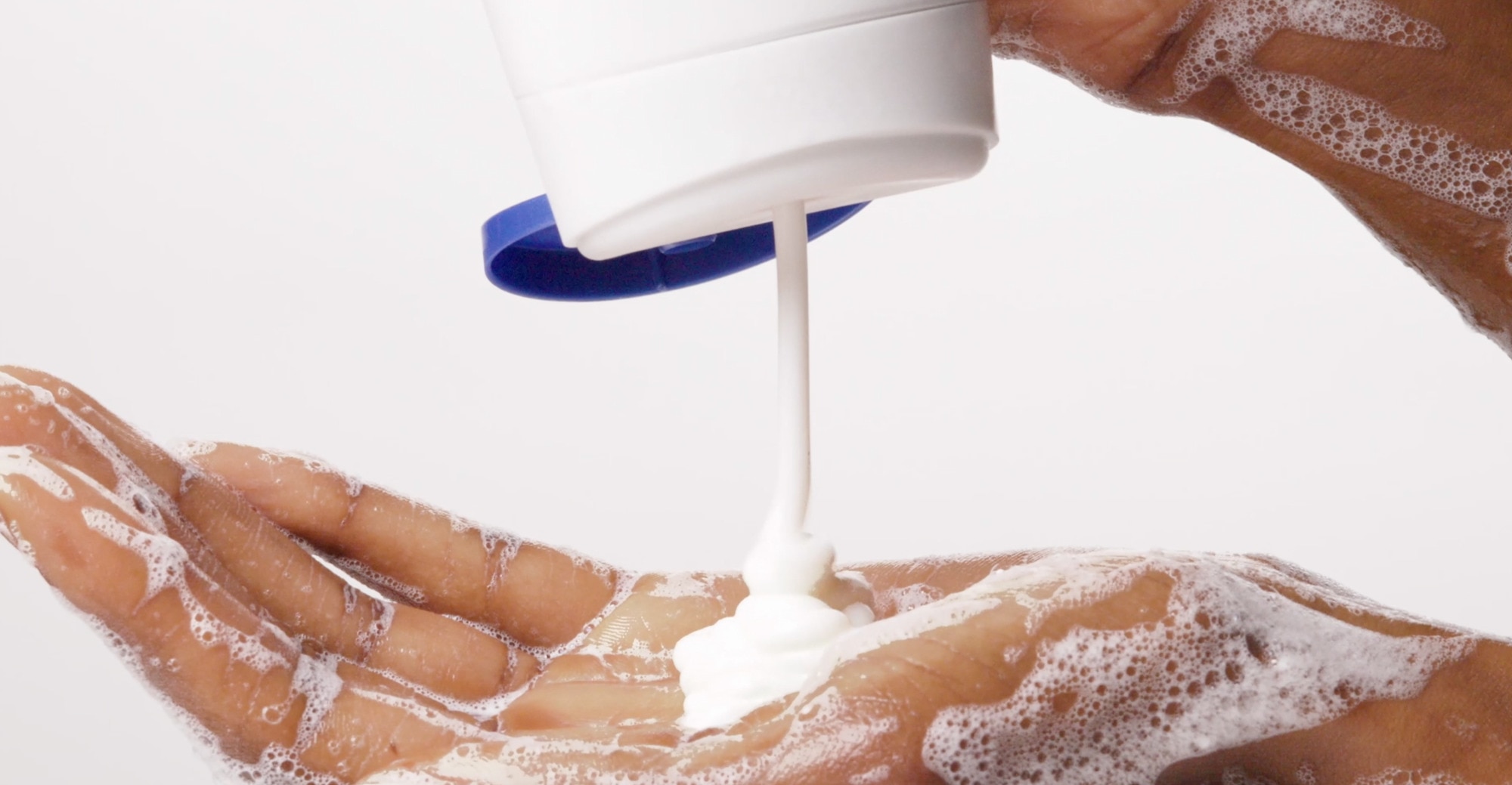
- Harsh cleansing: Strong surfactants, sulfates, and aggressive scrubbing can strip away natural oils and disturb microbial diversity
- Over-cleansing: Washing too often, especially with non-gentle products, can dry the skin and disrupt the microbiome
- Overuse of strong actives: Excessive use of powerful exfoliants or high-level actives without balance can stress the skin
- Environmental stressors: Pollution, UV exposure, and extreme weather can all impact the skin microbiome.
;Resize=(280,110) "Dove - Let’s Change Beauty logo")