;Resize=(280,110) "Dove - Let’s Change Beauty logo")

Why Winter Can Ruin Your Skin Barrier
Picture the outer layer of your skin as a brick wall: cells held together by a matrix of fats that stop water escaping. Winter attacks that matrix from every direction.
Cold air holds less moisture than warm air, so the water in your skin evaporates faster, with nothing to slow it down.¹ Indoor heating adds to the effect by pulling humidity out of the air, which is why dry skin during winter gets worse over weeks rather than appearing overnight.¹
Cold, dry air also makes the skin more likely to crack, which weakens the barrier that keeps moisture in.¹ Hot showers and harsh soaps add to the problem, stripping natural oils fast, and when it comes to your face, daily shaving in winter can really dry it out.
Signs Your Skin Barrier Is Under Stress
Tightness right after toweling off is the earliest sign and usually means your cleanser is stripping moisture from your skin. Itchy skin in winter also tends to build throughout the evening as indoor humidity drops and skin temperature rises. By the time you're trying to sleep, it's at its peak.
Watch for flaking or a dull, ashy look, fine cracks on the knuckles or heels, and products that suddenly sting when they never used to. This often means your skin barrier is struggling. Cracks that bleed, spreading redness, or itching enough to disrupt your sleep mean it's time to stop self-treating and see a dermatologist.
;Resize=(auto,auto))
How to Prevent Dry Skin in Winter in Five Steps
These steps address everything that's behind winter skin dryness. None of them require new products. Most just require doing what you already do, slightly differently.
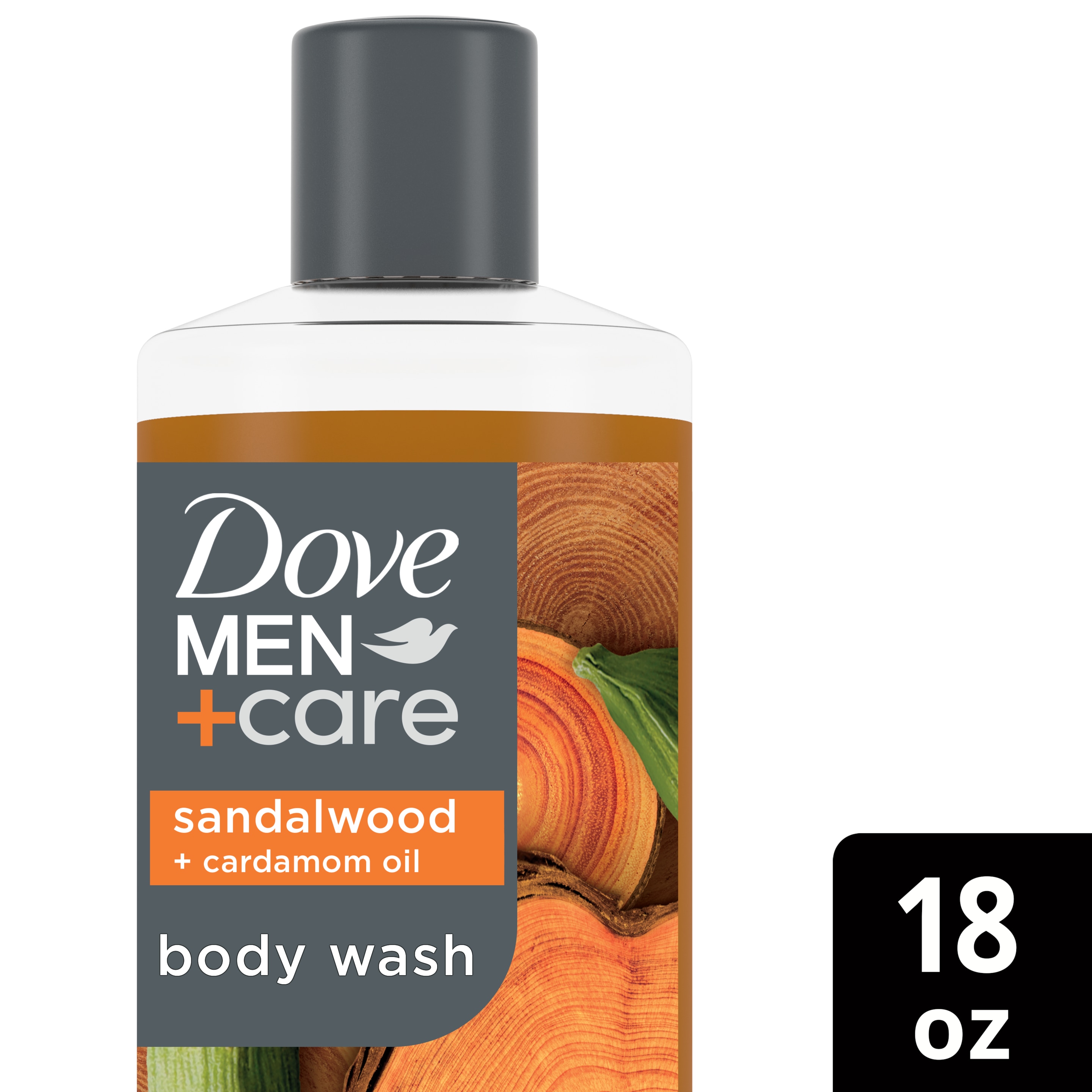
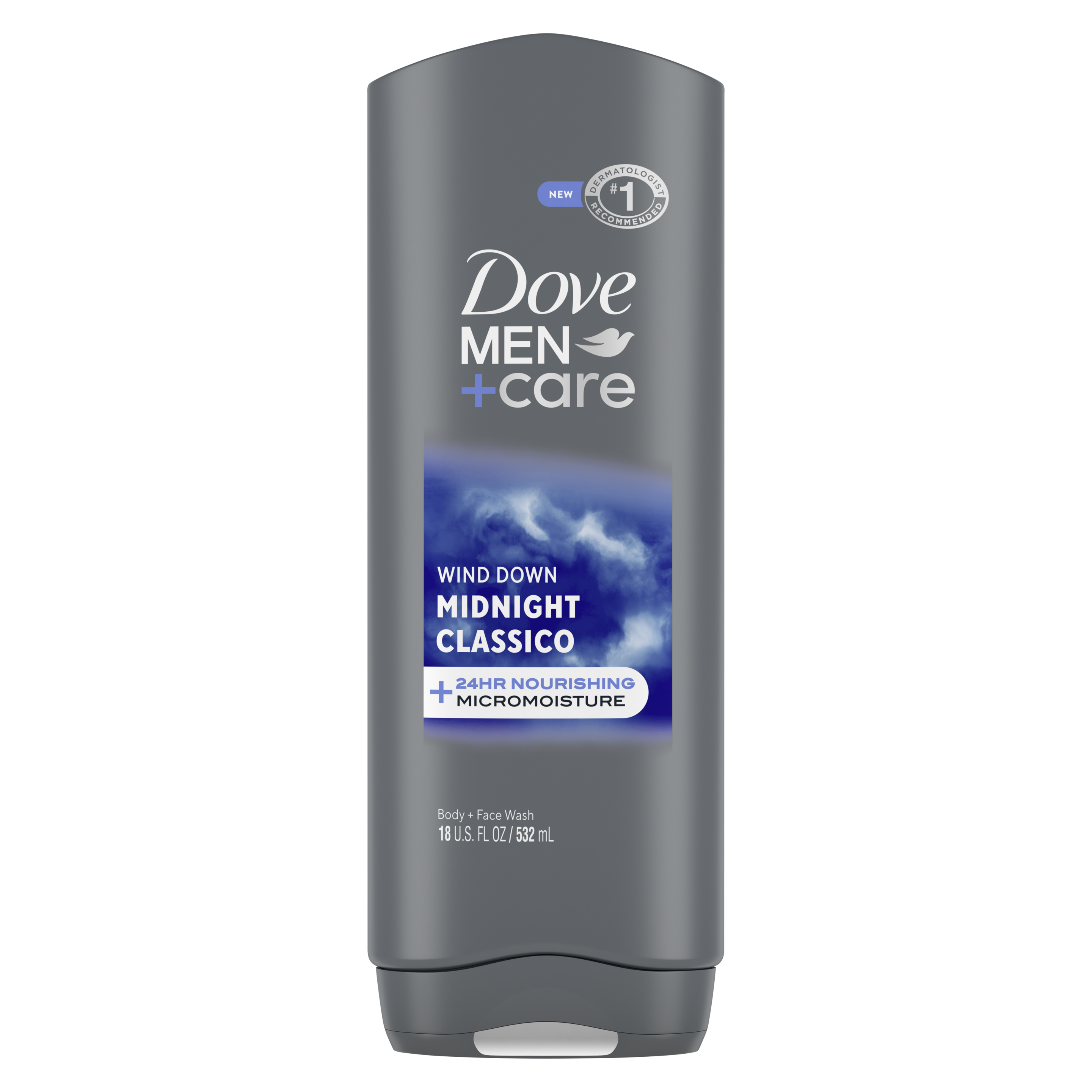
1. Swap your cleanser first: Skip the harsh soap and replace with a hydrating, sulfate-free body wash for dry skin.
"When shopping for a body wash for dry skin, also look for labels that are gentle, soap-free and include glycerine and oils," Unilever R&D Manager Bivash Gupta advises. "Avoid products marketed as deep-cleansing or clarifying, which can strip moisture and worsen dryness."
Learning how to use body wash the right way will make it more effective. If you prefer a bar, syndet cleansing bars beat traditional body soap for dry skin, as they're milder and have skin care benefits.¹
2. Turn the temperature down: Shower in warm water, not hot, for 5 to 10 minutes, as this can make a real difference to how dry your skin gets.
3. Moisturize within three minutes of toweling off while your skin's still damp, to lock in moisture.²
4. Add humidity to your bedroom: Indoor heating pulls moisture out of the air overnight, and a humidifier puts it back while you sleep.
5. Protect exposed skin before heading out: Put moisturizer on your face and hands. Wear gloves. Cold air and wind undo your indoor routine fast, so seal it in before you open the door.
This is not a quick fix, though. Your skin barrier needs days to weeks of consistency to recover. Follow these steps for the whole winter season.
How to Care for Dry Hands, Elbows, and Feet
Your hands take the most damage. You wash them the most, and cold-weather handwashing is tough on them. Apply hand lotion every time after washing.
Elbows and knees have fewer oil glands than many other areas of the body, and combined with friction and pressure, this makes them particularly prone to dryness, roughness and scaling. A thick cream or ointment is better than lotion on these areas.
Your heels have the thickest outer skin on your body, and thick, dry skin can easily split. Moisturize your heels at night and pull socks over. This intensifies the moisturizing effect and keeps your bedding clean.
Avoid exfoliating cracked skin. It just makes things worse. When you do exfoliate, use a gentle exfoliating product that's balanced with moisturizers.
Winter Habits That Make Dry Skin Worse
A few common habits quietly undo good winter skin care.
- Cranking the thermostat: Every extra degree drops indoor humidity further. Put a sweater on instead.
- Long, hot showers straight in from the cold: They feel so good, but this is when your skin is least able to handle it. Just turn the temperature down a little.
- Over-exfoliating to fix flaking: Scrubbing stresses a skin barrier that's already thin. Exfoliate only once or twice a week if you have dry skin.
- Wearing wool directly against your skin: Coarse fibers irritate already dry skin. Wear a cotton layer underneath.
- Skipping moisturizer because "it didn't work": This is usually a timing problem, since bone-dry skin an hour after the shower has no moisture left to seal in.
When Dry Skin Needs a Dermatologist
Dry skin that resists a solid routine can point to eczema, psoriasis, or another underlying condition, which is why a diagnosis beats a stronger moisturizer. If you've followed a winter skin care routine, improvement should show within one to two weeks. If it hasn't, that's your cue to get it checked.
It's also best to see a dermatologist if you're dealing with any of the following:³
- cracks that bleed
- redness spreads or worsens
- itching disrupts your sleep
- scratching leads to sores or signs of infection
- thick, large patches of skin that itch all the time
FAQs
Cold outdoor air and heated indoor air hold very little moisture, so water evaporates from your skin faster than your barrier can hold onto it. Indoor heating makes it worse by pulling humidity out of the air throughout the day.
Apply moisturizer to damp skin within three minutes of showering.² Moisturize cracked heels at night, and cover with socks. You can also do what's called slugging, sealing your moisturizer with a thin layer of petroleum jelly overnight.
Yes, but once or twice a week is enough if your skin is dry. It clears dull, dead cells, but overdoing it thins an already-thin barrier.
One of the most overlooked winter skin care tips is daily SPF. UV exposure doesn't stop in winter. And if you live where it snows, snow reflects a significant amount of UV back at you. Look for a broad-spectrum sunscreen with SPF 30 or higher to keep you protected.
Yes. Hot water strips the natural oils that hold moisture in, weakening your barrier.¹ Keep showers to 5 to 10 minutes, use warm water, and moisturize within three minutes of stepping out.
Winter dryness is simple physics: less moisture in the air, and more of it leaving your skin. Stick with a good men's skin care routine, follow the five steps in this article, and your skin should settle within a couple of weeks. But keep going the whole season because quick fixes won't work. Consistency is key.
References
- Unilever Research and Development. Cleansing without Compromise: The Impact of Cleansers on the Skin Barrier and the Technology of Mild Cleansing. 2004.
- American Academy of Dermatology. Dermatologists' Top Tips for Relieving Dry Skin. 2026.
- American Academy of Dermatology. Dry Skin: Diagnosis and Treatment. 2020.