;Resize=(280,110) "Dove - Let’s Change Beauty logo")

Why Hands Can Get Extra Sweaty
If you've ever searched "why are my hands always sweaty," the answer starts with biology. Your palms are packed with eccrine sweat glands that produce sweat to cool you down so you don't overheat. Millions more are spread all over your body, working constantly even when you don't notice.¹
When you get stressed or nervous, like before a presentation or date, your body's "fight or flight" response kicks in and ramps up sweat production, especially across your palms, underarms and feet.² It's completely normal and passes once the "threat" is gone.
When It's Cold and Your Hands Still Sweat
Cold and sweaty hands at the same time aren't the contradiction they sound like. This response can happen when you're stressed or anxious, but the weather or the room is cold. Blood vessels in your fingers narrow, reducing blood flow to your hands to protect your organs, making the skin feel cold.³
At the same time, your nervous system gets switched on, triggering the sweat glands in your palms.² That's how your hand ends up clammy and cold at once. But it doesn't last long. Once you're calm, your hands dry out and warm up again.
Everyday Tips to Help With Sweaty Hands
- Carry something absorbent: A cotton handkerchief or microfiber cloth beats wiping palms on trousers.
- Dry hands properly: Damp palms before you start sweating tend to stay damp, especially between the fingers.
- Reset before high-stakes moments: Run cold water over hands and dry well, about five minutes before a handshake, interview, or date.
- Watch caffeine, spicy food, and alcohol: They stimulate the nervous system and can increase sweating.
- Choose breathable materials: Cotton and other natural fibers, breathable gloves in winter, and a textured phone cover over a smooth one.
- Try breathing techniques or meditation: Meditation can help reduce the overall stress response that triggers sweaty palms.
Sweaty Hands and Your Daily Routine
Hand sweat and underarm sweat happen but they need different approaches. Regular antiperspirant sticks and sprays are formulated and tested for underarm use, so avoid applying them to your palms. If your hands are sweating severely, that's a conversation with your dermatologist, not a product swap.
Here's how to manage both areas in your routine:
Morning
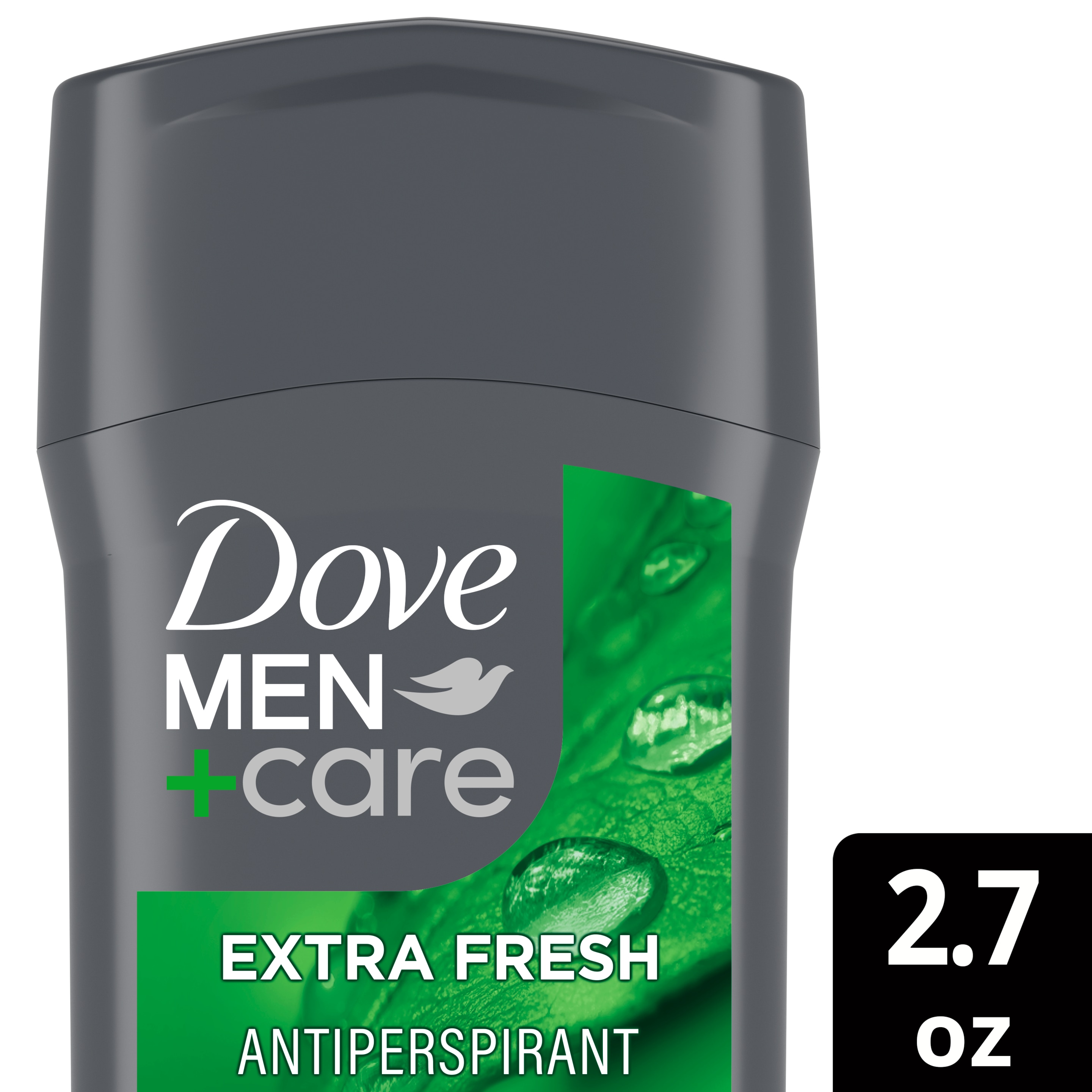
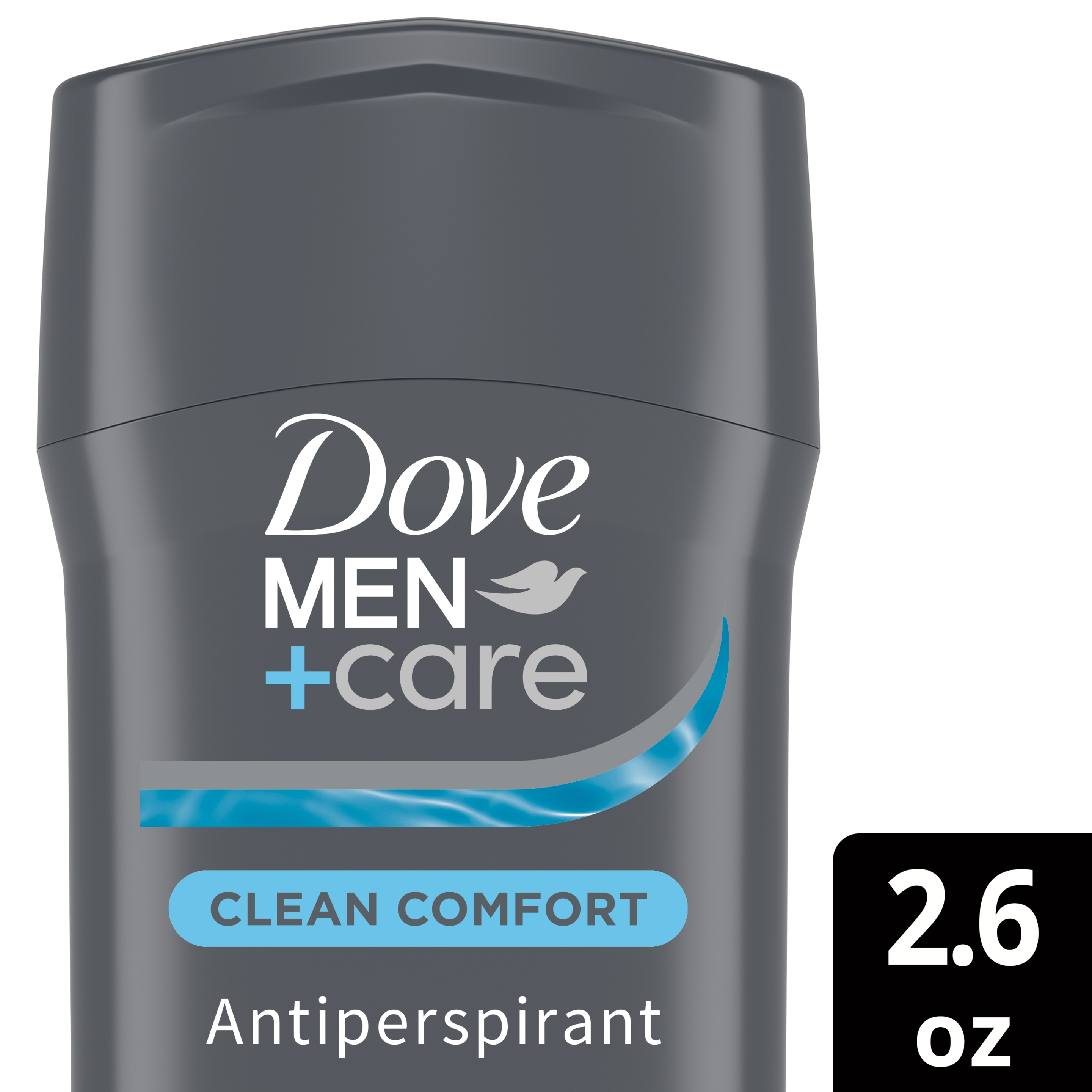
Wash your hands with a gentle cleanser and dry them thoroughly. For your underarms, apply a spray or stick antiperspirant to clean, dry skin after your shower to protect your armpits from sweat and odor.
Choose your formula based on your sweat levels. Some formulas can keep the protection going for 72 hours and are a good daily choice.
If you sweat heavily, look for a maximum-strength antiperspirant that can offer up to 96 hours of sweat and odor protection.
Evening
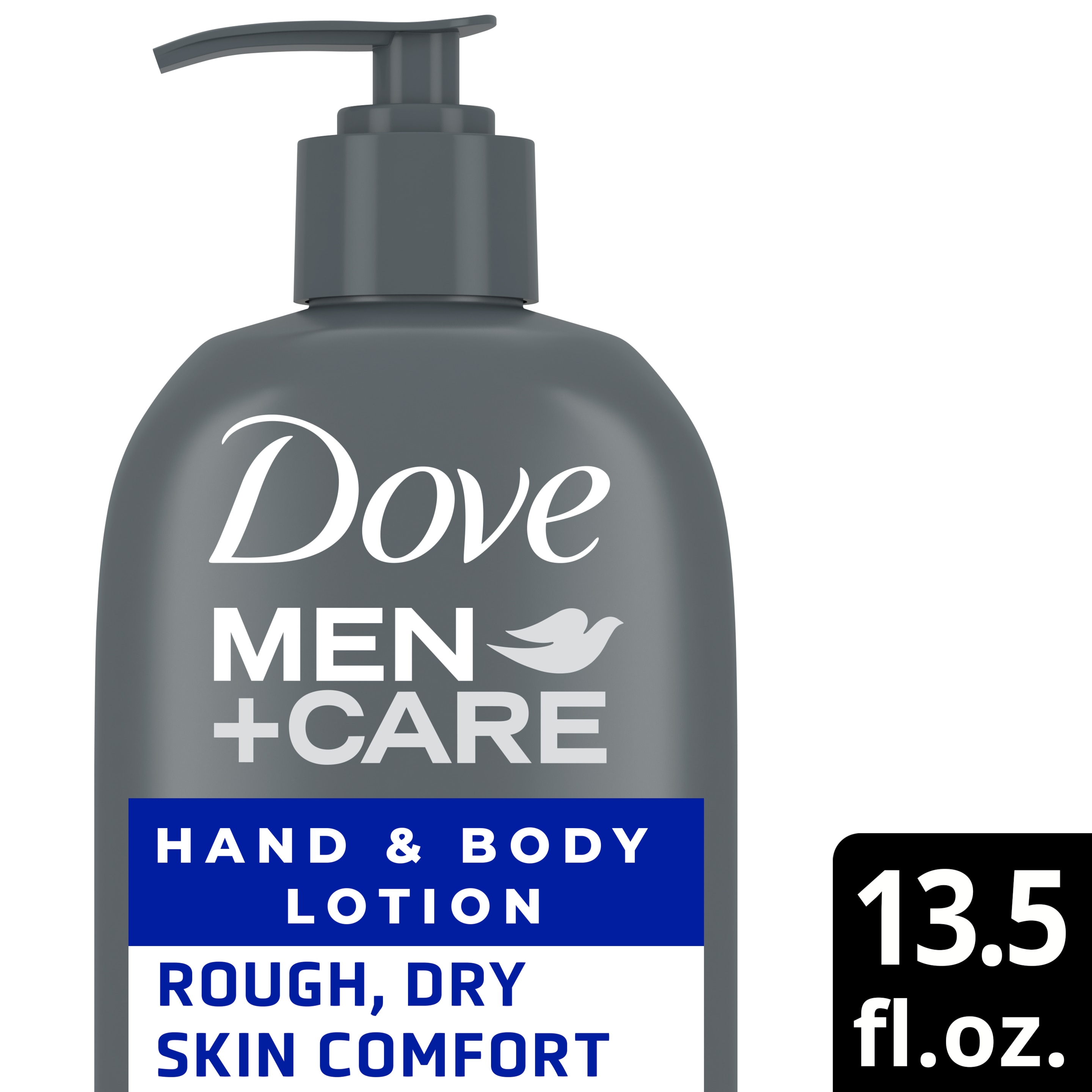
The evening is a good time to moisturize your hands. Dry, cracked skin can make moisture feel more noticeable, so sweaty hands may feel especially clammy. A light, fast-absorbing hand lotion keeps your hands in good condition without adding to the problem.
Because sweat glands are less active overnight, it's best to apply your antiperspirant after your evening shower, which gives the formula more time to work. Apply to completely dry underarms and let it dry fully before getting dressed or going to bed.
When Sweaty Hands Are Worth a Doctor's Visit
If you're healthy, sweaty hands aren't anything to worry about. But some symptoms are worth getting checked out. Consider booking an appointment if:⁴
- Excessive sweating has been happening for more than six months.
- It affects your everyday tasks.
- It stops when you're asleep.
- You're 25 or younger, or a blood relative has the same issue.
- It affects one or two specific areas, such as your palms, underarms, or soles.
These signs could suggest a medical condition called primary hyperhidrosis.
But if excessive sweating starts later in your life, affects your whole body, or starts after a new medication or alongside another health condition, that points more toward secondary hyperhidrosis.⁵ That's where excessive sweating is a symptom of something else going on.
A dermatologist can confirm what you're dealing with and point you toward the right options.
FAQs
You can't stop or prevent sweaty hands, because it's a normal body response. But keeping cool, managing stress, drying your hands regularly, and avoiding triggers like caffeine and spicy food can make a difference.
The medical condition is called palmar hyperhidrosis.⁴ It's when your hands sweat even when your body doesn't need to cool down. Unlike normal sweating triggered by heat, stress or exercise, palmar hyperhidrosis can happen at any time for no obvious reason and can affect your daily life. If you think this description fits, it's worth speaking to a dermatologist who can advise treatment options.
Standard over-the-counter deodorants and antiperspirants are formulated for underarm use and aren't designed for hands. If a dermatologist has diagnosed you with palmar hyperhidrosis, they may prescribe clinical-strength products specifically formulated for this condition and this area.
When you know how to manage your triggers, sweaty hands can improve, but your age isn't a factor. If the reason for your sweaty palms is medical, the sweating can ease with treatment.⁴
Sweaty hands are part of how your body works, and for most men, not something that needs fixing. A few practical habits are all it takes to feel more in control. Know your triggers, manage them where you can, and feel confident about getting on with your day.