Key takeaways
- Clinical-strength deodorant is an antiperspirant with more active ingredient than a regular formula. It isn't medical grade, and it isn't an FDA category.
- An antiperspirant reduces how much sweat reaches your skin. A deodorant only tackles odor.
- It works best when you apply it at night to completely dry skin, when your sweat glands are least active.
- If clinical-strength antiperspirant can't keep up with your sweat, you may have hyperhidrosis, and a doctor can help.
WHAT MAKES A DEODORANT CLINICAL STRENGTH?
Clinical-strength deodorant is an antiperspirant with a higher level of active ingredient, usually aluminum-based. It reduces underarm perspiration more than a standard formula. Know this, though: "clinical strength" is a description brands use. It isn't a medical grade or an official FDA category.
Unilever R&D Scientist Matt Annecharico explains: "Clinical strength antiperspirants are antiperspirants that offer the highest level of sweat protection available without a prescription. These products are typically offered in a variety of formats, and have been clinically tested to provide extra effective sweat protection, often lasting for up to 96 hours.”
Most clinical deodorants are actually antiperspirant deodorants. The antiperspirant reduces wetness, while the deodorant takes care of odor.¹ A deodorant alone won't keep you dry.
Sweat is normal and healthy, and no antiperspirant stops it completely. A clinical-strength formula helps you manage it, so you stay drier through long workdays, tough workouts and humid summers.
HOW IS IT DIFFERENT FROM A REGULAR ANTIPERSPIRANT?
A clinical-strength formula carries more active ingredients, which forms a temporary barrier that restricts access to the upper part of your sweat gland.² Less sweat reaches your skin, so you feel drier for longer.
You'll notice drier underarms, fewer sweat marks on your shirts, and odor protection that lasts.
Clinical-strength vs regular: which one’s right for you?
Clinical deodorant vs prescription antiperspirant
Prescription antiperspirants go stronger still. Doctors prescribe them for severe sweat, which they often diagnose as hyperhidrosis, and they guide you on how to use them.
WHO NEEDS CLINICAL-STRENGTH DEODORANT?
Not every guy needs it, and that's fine. But if any of these sound like you, it's time to upgrade:
- Sweat marks still show up. If your shirts get damp patches even in an air-conditioned office, your regular formula isn't keeping up with you.
- Your days are long and the pressure is high. Big presentations, long commutes, back-to-back calls and coach duty after work all add up, even if you don't sweat much.
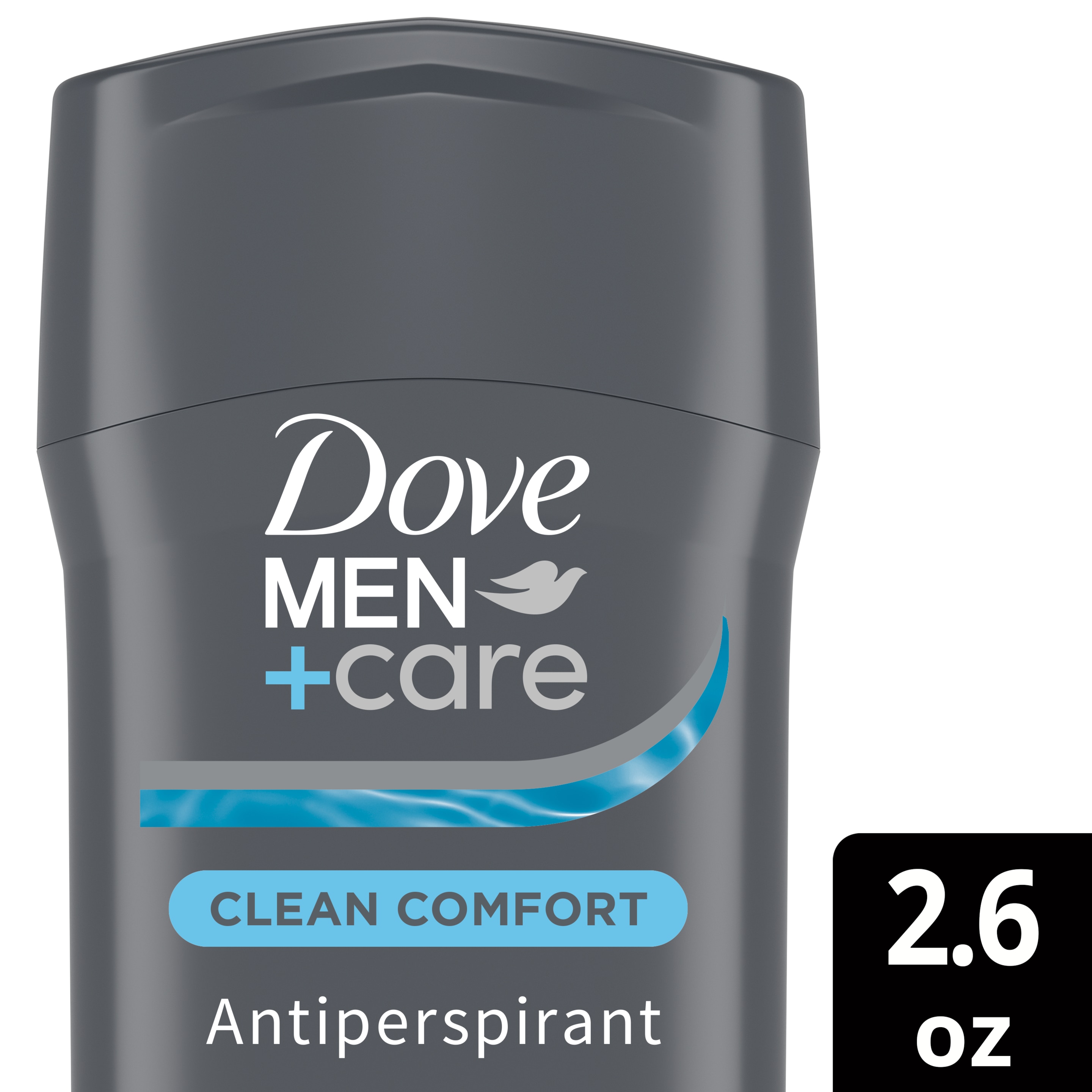
- You need to reapply by lunchtime. Try an option made for the long haul, like the Dove Men Maximum Protection Clean Comfort Stick, which offers 96-hour protection.
- Your skin is sensitive, but you still need strength. Look for a formula that pairs serious protection with moisturizers. Our guide to deodorants that won't irritate sensitive skin can point you in the right direction.
When you pick one, weigh how much protection you need, how your skin reacts and the scent you like. Not sure about scent? Start with our take on the best deodorant for men.
HOW DO YOU APPLY IT SO IT WORKS?
Here's a tip that makes the biggest difference: apply your antiperspirant at night, to completely dry skin. Your sweat glands slow down while you sleep, which gives the active ingredient time to get to work before your day starts.
- Shower, then dry your underarms completely. Damp skin makes the formula less effective.
- Apply a thin, even layer before bed.
- Let it dry before you put on a shirt or hit the pillow.
- When you wake up, add a light layer of deodorant if you like the fresh feel or scent.
WHEN SHOULD YOU SEE A DOCTOR?
If clinical-strength antiperspirant still can't keep up, book time with a doctor. There's no shame in it. Heavy sweat that gets in the way of your life may be hyperhidrosis, and it's treatable.³ Matt says, "If you suspect you have hyperhidrosis, please reach out to your healthcare provider to properly assess your individual situation and discuss treatments."
See a doctor if:
- You soak through your shirts often and it affects work or your social life
- Two weeks of nightly clinical-strength use makes little difference
- You also sweat heavily from your hands, feet or face
- You suddenly sweat more than usual, or sweat at night, for no clear reason
- Your underarm skin stays red, sore or irritated
Your doctor can rule out other causes and walk you through prescription antiperspirants and other treatments.
FAQs
The FDA regulates antiperspirants as over-the-counter drugs, so their active ingredients and labels must meet FDA rules. "Clinical-strength" itself is a brand description, not an FDA category or a medical grade.
Yes. Brands design over-the-counter clinical-strength antiperspirants for daily use. Want to skip aluminum on rest days? Read aluminum-free deodorant explained.
It shouldn't, as long as you apply it to clean, dry skin. Give your skin a few minutes after you shave. If you notice redness, itchiness or a burn, stop and give your underarms a break.
That's the Dove Men Maximum Protection antiperspirant range, our strongest sweat and odor protection, with skin care built in. Pick a stick or dry spray, in Clean Comfort or Ocean Breeze.
When applied correctly, clinical-strength You'll feel drier, fresher and more confident as you go through your day. antiperspirant can help you to manage heavy-sweat days.
References
- Cleveland Clinic. Antiperspirant vs. Deodorant: What’s the Difference? 2024.
- Sweat.org. Antiperspirant Basics
- Mayo Clinic. Hyperhidrosis Symptoms and causes. 2024.