Key takeaways
- Fragrance, preservatives, dyes, and aluminum can trigger underarm irritation in some people, and shaving and friction can add to it.
- A deodorant handles odor, while an antiperspirant also reduces sweat.
- Aluminum-free does not automatically mean gentler, since the full formula matters.
- Patch test a new product on a quarter-sized spot twice daily for seven to 10 days before you switch.
- Stop using a product that causes irritation, and see a healthcare professional if a rash is severe, keeps returning, or lasts longer than three weeks.
WHAT ACTUALLY IRRITATES SENSITIVE UNDERARMS?
Fragrance is a common cause of contact dermatitis, which starts as itchy skin and can bring a rash hours or days after contact.¹ Preservatives, dyes, and aluminum can also trigger reactions in some people.² Unilever R&D Scientist Matt Annecharico points out that underarm skin is thinner and more delicate than skin on the arms or legs, and that it sits in a warm, enclosed area with repeated rubbing. “Skin irritation is very individualized, meaning that irritation can occur from a variety of triggers, and at seemingly random times,” he says.
Shaving and friction are common triggers too, and they often play a part in an armpit rash from deodorant.
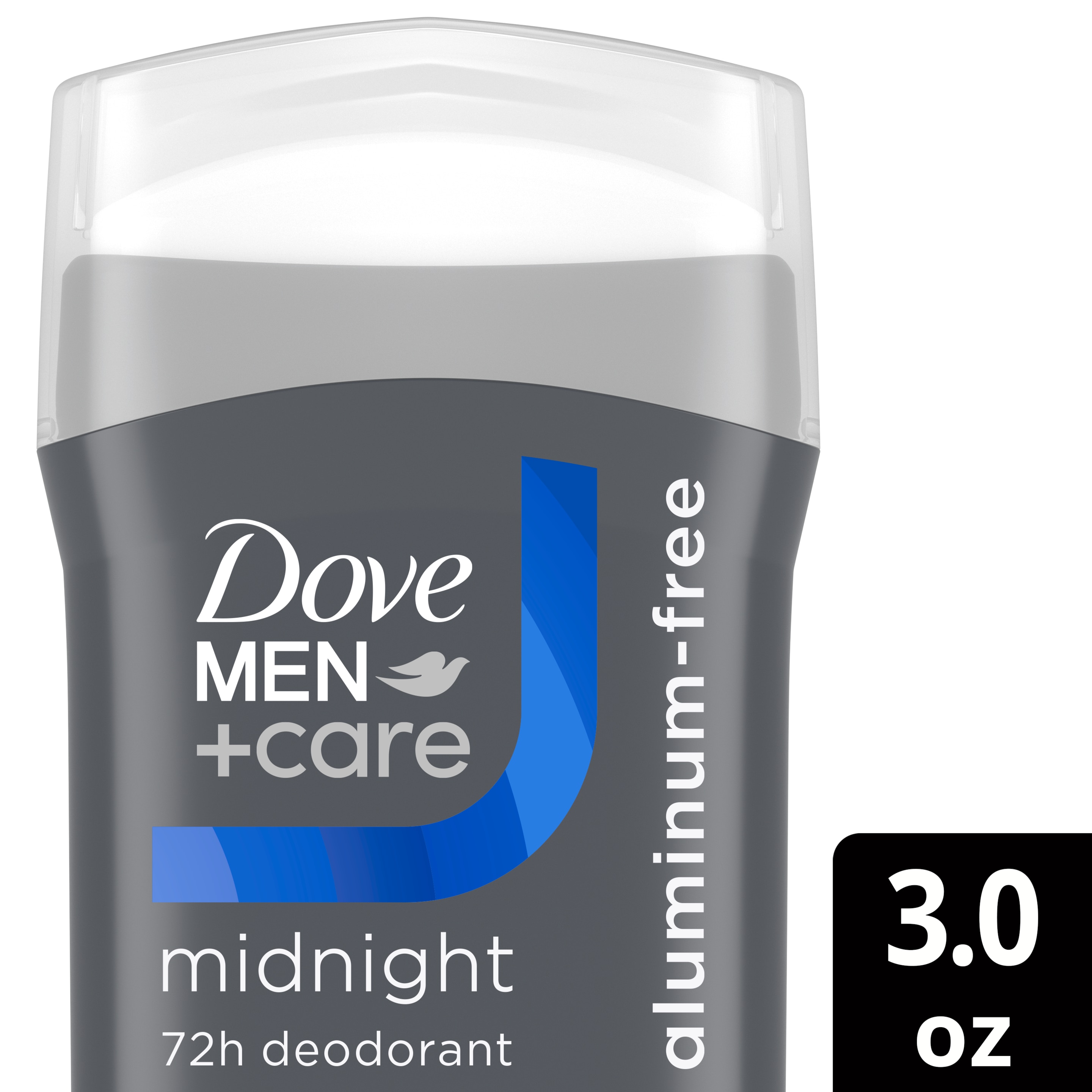
WHICH DOVE MEN DEODORANTS SUIT SENSITIVE SKIN?
These are suggestions only and the first step is knowing your own triggers. Once you know what sets your skin off, you can steer clear of it. Read the label every time, since formulas change and ingredients you avoid can show up in unexpected places.
HOW DO YOU CHOOSE A GENTLE DEODORANT?
In a Dove Men Jebbit poll, 119 men chose a gentle, non-irritating formula. Start by reading the label for the triggers you already know, such as fragrance, preservatives, and dyes,² and check them against the common ingredients in deodorant and body wash that bother sensitive skin. Then decide what you need the product to do: a deodorant handles odor, while an antiperspirant also reduces sweat. Reactions vary from one person to another, so any formula should be patch tested first.
HOW DO YOU PATCH TEST A DEODORANT BEFORE YOU SWITCH?
Choose a quarter-sized spot where the product will not be rubbed or washed away, such as your inner arm or elbow bend. Apply a normal amount twice daily for seven to 10 days.³ If your skin turns red, itchy, or swollen, wash the product off gently and do not use it again.³ If nothing happens after seven to 10 days, you can start using it under your arms.³
WHEN DOES UNDERARM IRRITATION NEED A DERMATOLOGIST?
If a product irritates you, stop using it and wash it off gently. A cool compress or petroleum jelly can help with relief.³ See a healthcare professional if the rash is severe, keeps returning, is not improving, or lasts longer than three weeks.⁴ Get care right away for cracked or bleeding skin, yellow discharge, or a fever, which can signal infection.²
FAQs
Yes, if your skin tolerates it. Some people react to aluminum, while others react to fragrance or other ingredients,² so patch test first and look for a good antiperspirant with gentle moisturizers that help protect the skin barrier.
Apply it to a quarter-sized spot twice daily for seven to 10 days.³ If a rash appears, it may be one of the common causes of underarm rash, so stop using the product.
It can be, as long as you patch test first and use whole-body deodorant only where the label says it's safe to use.
Not necessarily. Fragrance, preservatives, and dyes can trigger reactions too,² so the formula matters more than whether a deodorant is aluminum-free or not.
Not in this range. Every Dove Men deodorant and antiperspirant lists fragrance, so check the label for the ingredients that have bothered you before, which is a big part of learning to manage sweat with sensitive skin.
It varies. Mild irritation may fade on its own once you stop using the product, but if it lasts longer than three weeks, see a healthcare professional,⁴ especially if itchy underarms are a recurring problem.
Having sensitive skin does not mean giving up on freshness. Know what tends to bother your skin, test before you commit, and choose the formula that fits how you sweat.
*Unilever Consumer Survey Research, Habits and Experiences Study 2026
References
- Eczema types: Contact dermatitis overview. American Academy of Dermatology. 2020
- Understanding Deodorant Allergy and How to Treat It. Healthline. 2020
- How to test skin care products. American Academy of Dermatology. 2021
- Are You Actually Allergic to Your Skin Care Products? Cleveland Clinic. 2023
- Should I use whole-body deodorant? American Academy of Dermatology. 2025