The Science of Scent and Emotion
Most of what we feel when we smell something happens before we've consciously processed it. It's how the olfactory system is wired. Here's what's actually happening:¹
- You breathe in a smell.
- The odor molecules enter your nose.
- Olfactory receptors (tiny "smell detectors" in your nose) recognize those molecules.
- They send signals to a structure at the bottom of your brain where they get organized into patterns like scent, coffee, or smoke.
- These smell signals are then sent to the brain's emotion and memory centers.²
This direct and almost instant route is why a certain smell can trigger a memory, like the smell of baking taking you back to your childhood. It's also why a scent can shift how you feel.
Research on fragrance and mood confirms this. Certain scents can influence how alert or calm you feel.²
How Fragrance Families Shape How You Feel
Different fragrance families are associated with different emotions and moods: citrus feels energizing, herbal-green creates a feeling of freshness and mental clarity, woody notes feel grounding, and soft florals are calming.
Perfumers carefully combine certain notes to create mood boosting fragrances, appeal to scent preferences and create scents for different seasons.
"During warmer months, many people naturally gravitate toward lighter fragrance profiles like citrus, fresh florals, bright fruits, because they're often linked to feelings of freshness and cleanliness," explains Florence Bagneris, Unilever Associate Director, Fragrance Design. "That said, fragrance is deeply personal."
She adds that for some people, scents that smell like something you could eat or drink create a feel-good mood.
Spin the wheel to discover your scent profile, learn how it may affect your mood, and find a Dove Men+Care antiperspirant that matches.
Many modern deodorants and antiperspirants are developed to balance fragrance with odor and sweat protection.
Your underarms are actually an effective place for fragrance. Because they're warm, close to your nose, and constantly in motion, they gradually release scent throughout the day. This makes deodorants and antiperspirants a practical way to keep mood-enhancing fragrance within your personal space.
Scents to Kickstart Your Morning
Mornings can feel like a sprint before you even leave the house. Sluggish starts, back-to-back meetings, and early workouts all demand that you feel switched on before the caffeine hits. The right scent can give you a useful head start.
Bright, citrus-forward and herbal-green fragrance profiles are often associated with alertness and energy. When you apply a deodorant that leans into these notes, you're giving your brain a familiar sensory cue that it's time to get moving. Over time, that repeated pairing of scent and routine can become a habit loop that makes it easier to shift into work mode, a workout, or the start of a busy day.
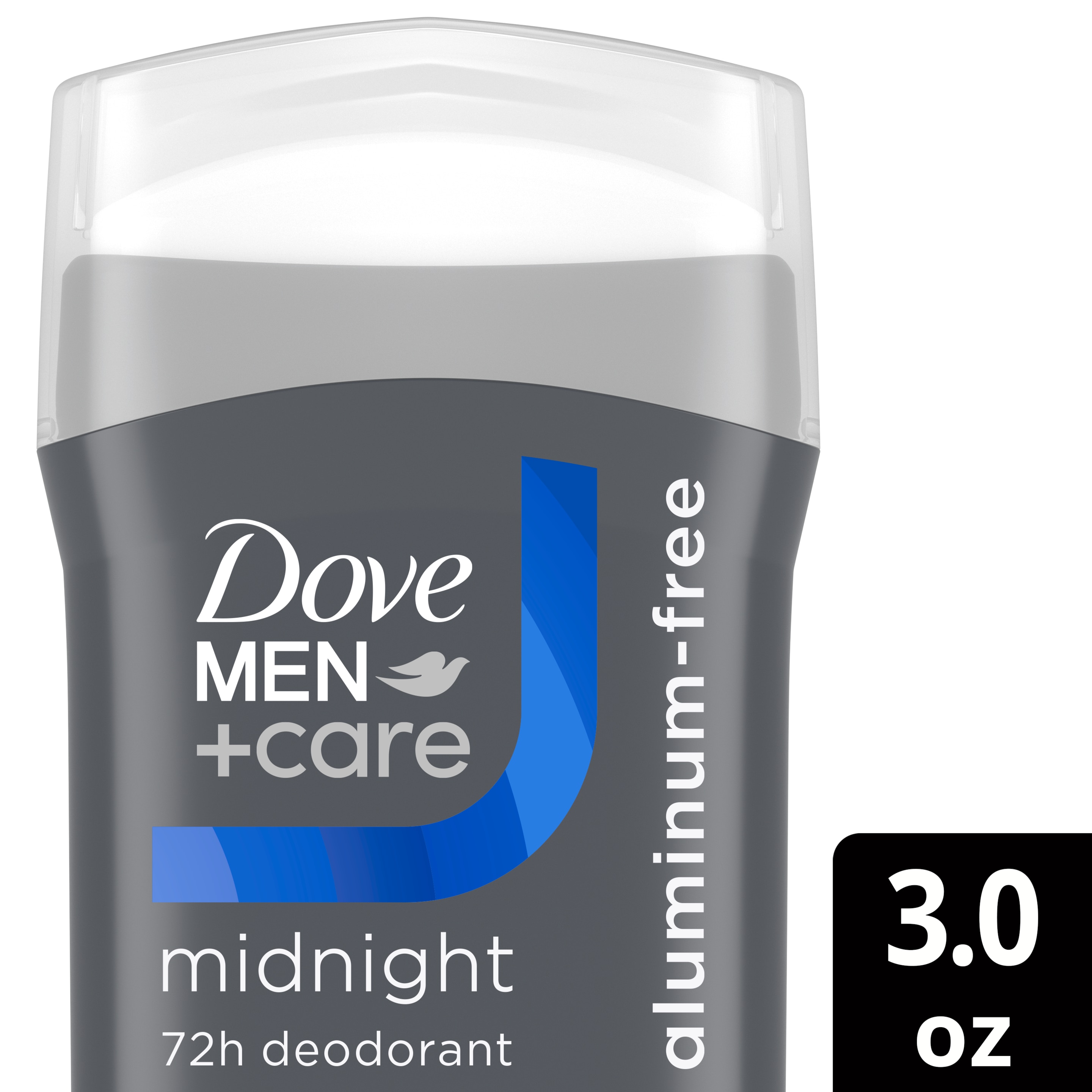
Try: Dove Men+Care Midnight Mood Boosting Deodorant Stick keeps you confident all day with an uplifting, invigorating bergamot and white amber scent.
Scents to Wind Down and Decompress
Evenings demand a different kind of support. After hours of being "on," many men find it hard to shift into family time, recovery, or rest. Scent can help mark that transition.
Warmer, softer notes like light woods, subtle musk, and gentle amber are generally linked to a settled, balanced feeling. When these notes are built into your deodorant, they can act as a quiet signal that the performance part of your day is over.
Try: Dove Men+Care Horizon Mood Boosting Deodorant Stick has a calming, grounding scent of vanilla bean and sandalwood that complements an evening routine. Applying it after an evening shower or post-workout rinse can help signal the end of your day.
Beyond the Scent: Care That Complements Your Mood
Fragrance is only part of the picture. Knowing your deodorant will perform and that your skin feels comfortable all day is what makes it all work. Breakthrough odor or underarm irritation can pull you out of a mood faster than any scent can put you in it. That's why the formula behind your deodorant or antiperspirant matters as much as the fragrance.
Look for:
- Long-lasting odor or sweat protection
- 1/4 moisturizing cream formula to help keep skin comfortable with daily application
- Skin-loving ingredients to reduce dryness and friction
FAQs
Different scents support different moods. Citrus and herbal notes are often linked to energy and alertness, while woody and musk notes tend to feel calming and grounding. For mornings, look for bright citrus or green herbal profiles. For evenings or high-pressure days, softer woods and subtle musks can help you feel more settled.
Citrus and green herbal notes tend to energize. Floral and light woody notes tend to calm. Warmer musk and amber notes usually feel grounding and balanced. Mood boosting scents often blend these families, pairing citrus top notes with woody bases, for example, to create a scent that energizes first and then settles into something more composed.
It can, especially when a scent becomes associated with a part of your routine. If you apply the same energizing scent every morning, your brain starts to associate it with switching into work mode. That repeated pairing is what makes scent a useful tool in your daily routine, not just a nice add-on.
Fragrance is more than a finishing touch. Because scent and mood share a direct pathway in the brain, the notes you surround yourself with can quietly shape how you move through your day. From energizing citrus in the morning to warm woods at night, choosing the right deodorant scent turns a routine step into a mood cue.