;Resize=(280,110) "Dove - Let’s Change Beauty logo")

Why are my legs so dry and itchy?
Dry, itchy skin on legs can happen for lots of different reasons, from everyday habits to environmental factors. Understanding what might be causing the irritation can help you choose the right products and build a routine that keeps your skin feeling soft, smooth, and comfortable. Here are some of the main causes:
-
Cold weather and low humidity: Cooler temperatures and dry air can reduce moisture levels in the skin, leaving your legs feeling dry, flaky, and itchy, especially during the winter months.
-
Long, hot showers: While hot showers can feel relaxing, they can also strip away the skin’s natural oils, making it harder for your skin to stay hydrated and protected.
-
Harsh soaps and cleansers: Some soaps and body washes contain ingredients that can leave skin feeling tight or dry after cleansing, particularly if they aren’t designed to support the skin barrier.
-
Skipping moisturizer: If your skin isn’t properly moisturized after showering, it can lose hydration more quickly and become rough or uncomfortable throughout the day.
-
Skin conditions like eczema or psoriasis: Persistent dryness, itching, or irritation may sometimes be linked to underlying skin conditions that weaken the skin barrier and make skin more sensitive.
-
Shaving and friction: Regular shaving, tight clothing or friction from fabrics can irritate the skin on your legs and contribute to dryness or itchiness over time.
-
Aging skin: As we age, the skin naturally produces less oil, which can make legs more prone to dryness and sensitivity
How to get rid of dry, itchy skin on your legs
Getting rid of dry, itchy skin on your legs starts with restoring moisture and protecting the skin barrier. When the skin becomes too dry, it can lose the natural oils and hydration it needs to stay soft and comfortable, leading to flaking, rough texture, tightness, and irritation. To help prevent this, avoid long, hot showers and opt for lukewarm water instead, as excessive heat can strip the skin of its protective oils. Using gentle, hydrating cleansers can also help cleanse the skin without leaving it feeling dry or tight afterwards.
Moisturizing regularly is one of the most effective ways to relieve dryness and itchiness. Applying a cream or lotion straight after showering, while skin is still slightly damp, can help lock in hydration more effectively and support the skin barrier. Ingredients like hyaluronic acid, glycerin, ceramides, and nourishing oils can help attract and retain moisture, leaving skin feeling softer and smoother over time. Gentle exfoliation once or twice a week may also help remove flaky skin and improve moisture absorption, but over-exfoliating should be avoided, as it can worsen dryness and sensitivity.
What can dry, itchy legs be a symptom of?
Dry, itchy skin on legs is often caused by everyday factors like cold weather, hot showers, dehydration, or harsh skincare products, but in some cases, it can also be linked to underlying skin or health conditions. Common skin conditions such as eczema and psoriasis can weaken the skin barrier, making it harder for the skin to retain moisture and leading to ongoing dryness, flaking, redness, and irritation. Allergies or sensitivities to certain fabrics, fragrances, or skincare ingredients may also trigger itchiness and discomfort.
Sometimes, persistently dry or itchy skin can be associated with broader health issues, including diabetes, poor circulation, or hormonal changes that affect the skin’s ability to stay hydrated. Aging can also play a role, as the skin naturally produces less oil over time. If your legs remain itchy, inflamed or uncomfortable despite moisturizing and gentle skin care, it’s important to speak with a healthcare professional to help identify any underlying causes.
Building a routine for dry, itchy legs
Creating a consistent skincare routine can make a significant difference in managing dry, itchy skin on legs. Here’s a simple routine to follow:
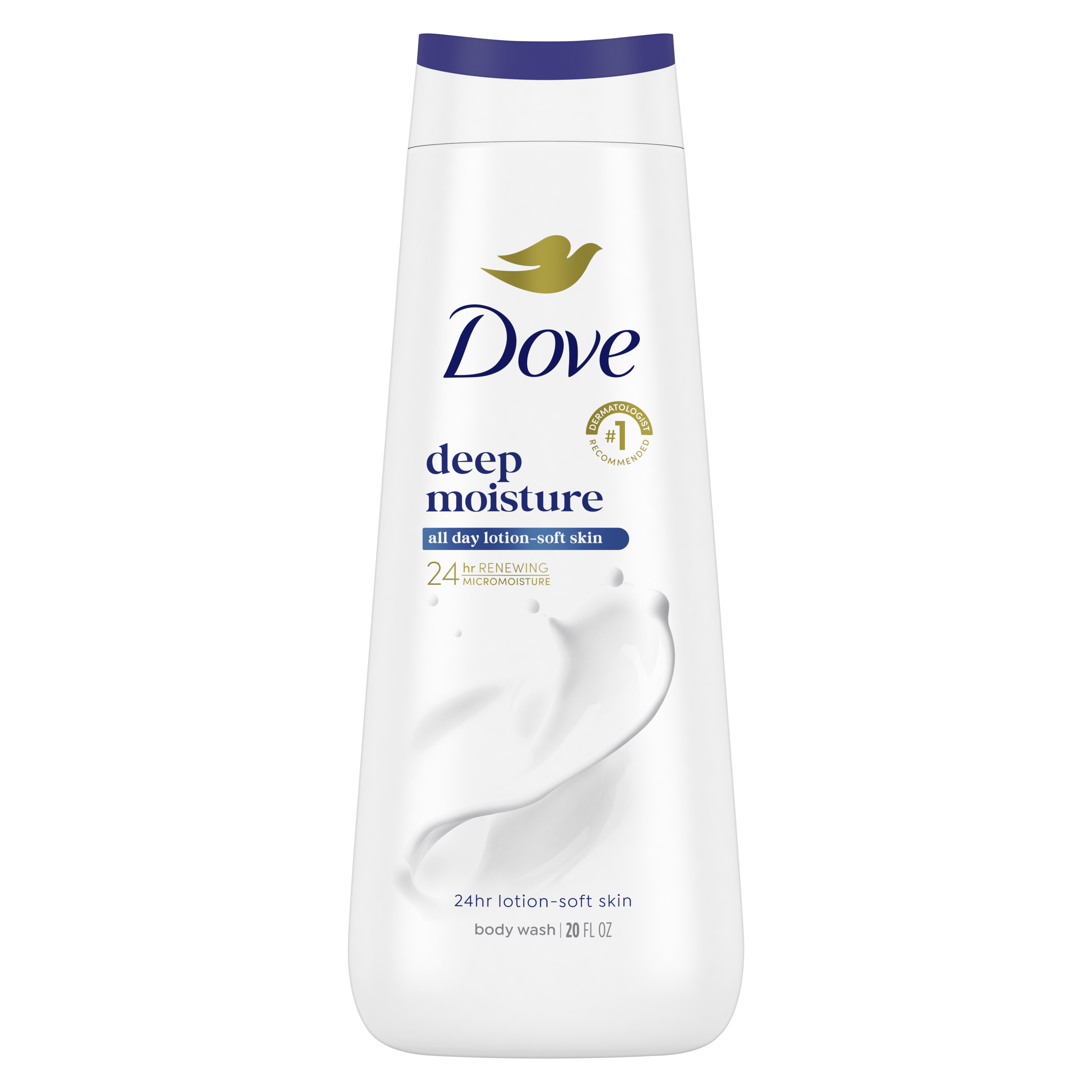
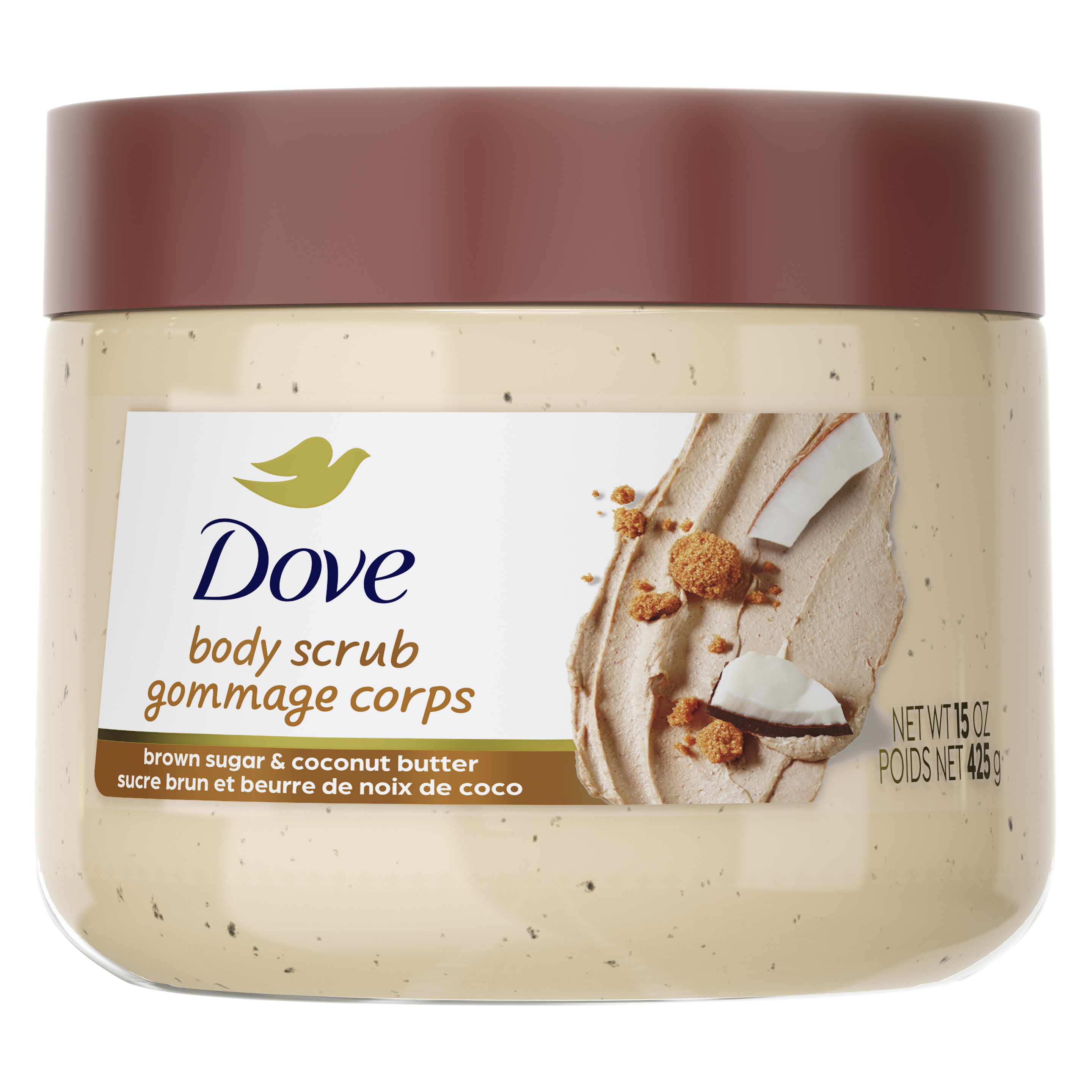
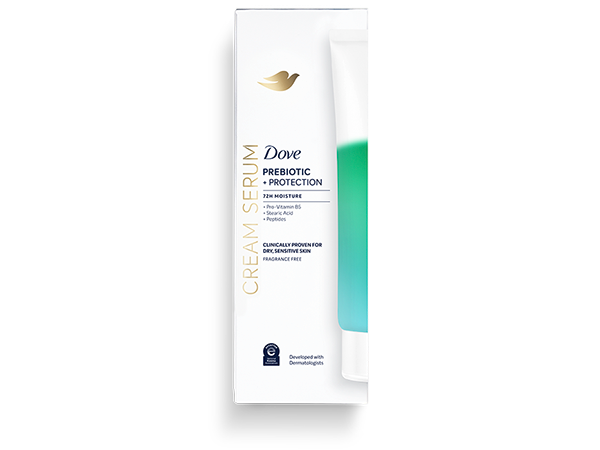
By understanding the causes of dry, itchy skin on legs and following a dedicated skincare routine, you can keep your skin feeling comfortable and looking its best. Remember, you’re not alone in this journey, and with the right care, smooth, comfortable skin will be yours.