Key takeaways
- Sweat doesn’t smell. Fresh sweat is mostly odorless. It’s the bacteria on skin that cause body odor when it metabolizes sweat and creates odor causing compounds
- Your skin microbiome is a community of mostly beneficial microbes that protect and support skin health
- What causes underarm odor is the interaction between sweat and specific bacteria, especially Staphylococcus hominis
- New research on Staphylococcus hominis and its odor-forming enzymes is guiding smarter, microbiome-conscious deodorant technologies.
What is your skin microbiome?
Your skin is home to billions of microorganisms – bacteria, fungi and viruses. Most of these bacteria are beneficial and help to protect the skin and support skin health. Here’s how:
Protection
Beneficial microbes compete with and limit the growth of harmful bacteria on skin.
Barrier support
They help maintain the skin’s pH and moisture, which are both important to keep skin feeling comfortable and resilient.
Immune balance
The microbiome interacts with immune cells, helping calibrate how your skin responds to everyday stressors.
Understanding the importance of your skin microbiome shifts the matter from how to eliminate all bacteria to get rid of underarm odor to how to get the right balance of bacteria on skin while preventing underarm odor.
Why different body parts have different microbiomes
Different areas of your body have different amounts of each of these microbes, depending on moisture levels, temperature, skin folds and gland density. But if you’re wondering “what causes underarm odor?” and why that odor is different to other areas of your body, it’s partly because the skin microbiome in this area is unique.
What causes underarm odor
Not only does the underarm area tend to be warm and humid, there is also a high density of apocrine sweat glands here and these release odor precursors (odorless chemical compounds that turn gases that smell when broken down by bacteria or heat).
Some species of Staphylococcus are efficient at turning these odorless sweat precursors into what we recognize as underarm odor. In fact, scientists have discovered that Staphylococcus hominis is the main contributor, thanks to specific enzymes that convert sweat components into sulfur-containing odor molecules called thiols—and it’s these molecules that cause “BO.”
Ingredients that can help with underarm odor
Managing underarm odor is more about guiding the microbiome and skin towards a healthier balance, rather than eliminating all bacteria on skin. Choosing the right body care, with these ingredients, can help you manage this.
How to care for your skin microbiome
These are some tips to care for your skin microbiome and help keep body odor under control.
Choose gentle cleansers
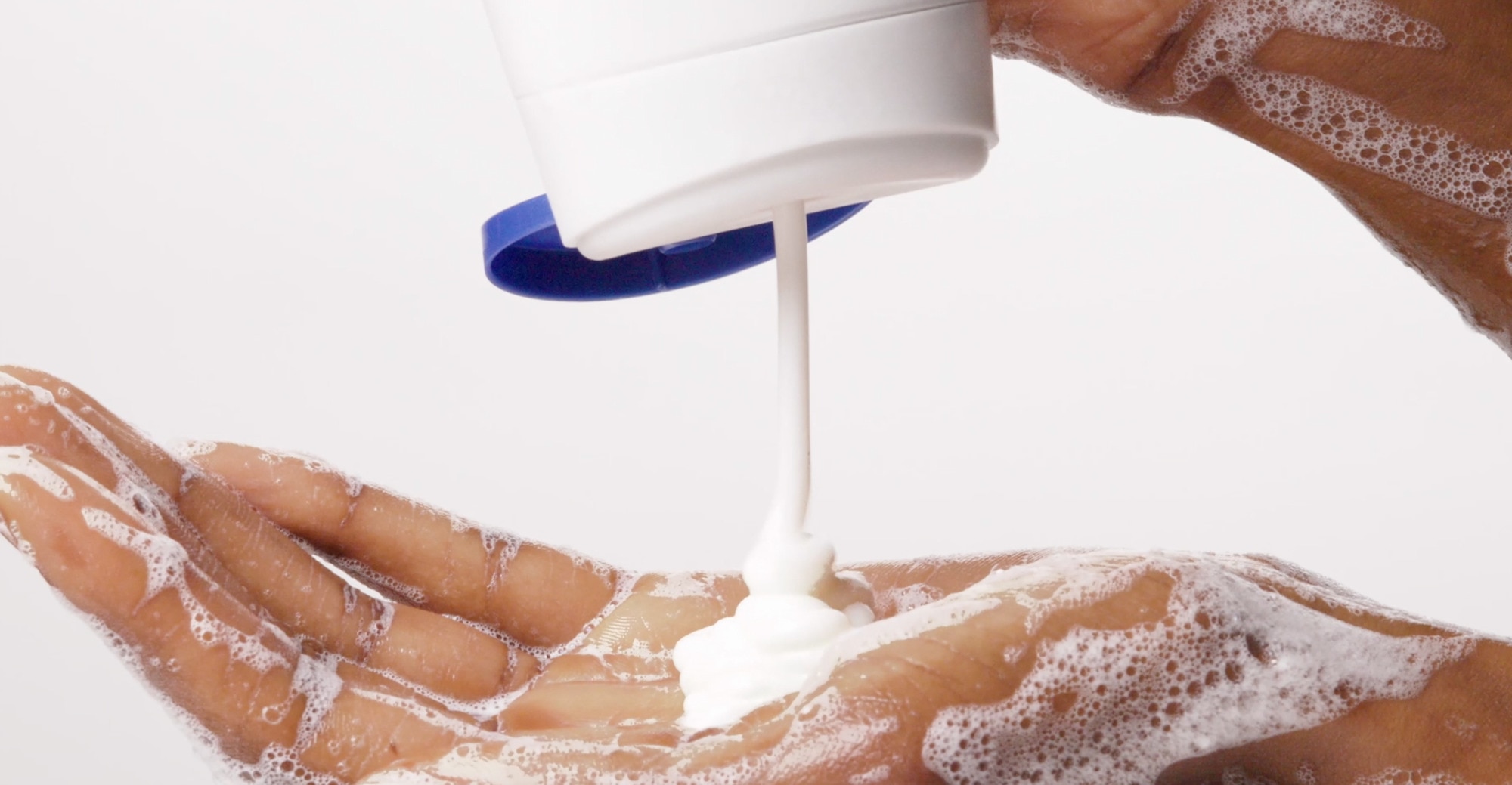
Avoid soaps or harsher body washes that dry skin out. Dove Deep Moisture Body Wash provides microbiome-gentle cleansing, with a pH-balanced formula.
Use a caring deodorant or antiperspirant
Using a long-lasting deodorant or antiperspirant doesn’t have to mean compromising on underarm skin care.
Avoid over-washing
It can be tempting to take lots of hot showers to wash away bacteria and prevent underarm odor, but showering too often (and with too-hot water) can strip your skin of natural oils that good bacteria need and disrupt the microbiome.
Frequently asked questions
Staphylococcus hominis is a major contributor to underarm odor because of how it transforms odorless sweat precursors into thiols, which are what cause that infamous “BO” smell.
Niacinamide in deodorant can both help to control odor-causing bacteria (helping to reduce underarm odor) as well as supporting the skin barrier to help reduce irritation.