Early pregnancy and sweating at night
Early pregnancy and sweating at night: what are the causes?
If you’ve been wondering, ‘Do you sweat more in pregnancy?’ the answer is yes – and it’s not just during the day. Night sweats, pregnancy, and postpartum all go hand-in-hand – and it’s down to a few key factors:
Hormonal shifts
Sweating at night in early pregnancy is very common. You might even find yourself thinking, ‘Are night sweats a sign of pregnancy? (and you’d be correct – although they aren’t a definitive sign on their own). Rising estrogen and progesterone affect your internal thermostat and disrupt your ability to regulate your temperature, which can lead to hot flushes, cold sweats, and sweat that smells slightly different from usual.
Increased blood volume and metabolism
Your body pumps more blood and works harder to support your baby, which generates more heat and makes night sweats more likely.
Stress, vivid dreams, and sleep disruption
Emotional changes and restless sleep can trigger night sweats. Pregnancy is a time of huge change, so don’t be alarmed if you wake up to a damp bed. It's usually this mix of hormonal and physical changes, plus room temperature and bedding (more on this later).
Sweating at night post-pregnancy
What causes sweating at night post-pregnancy?
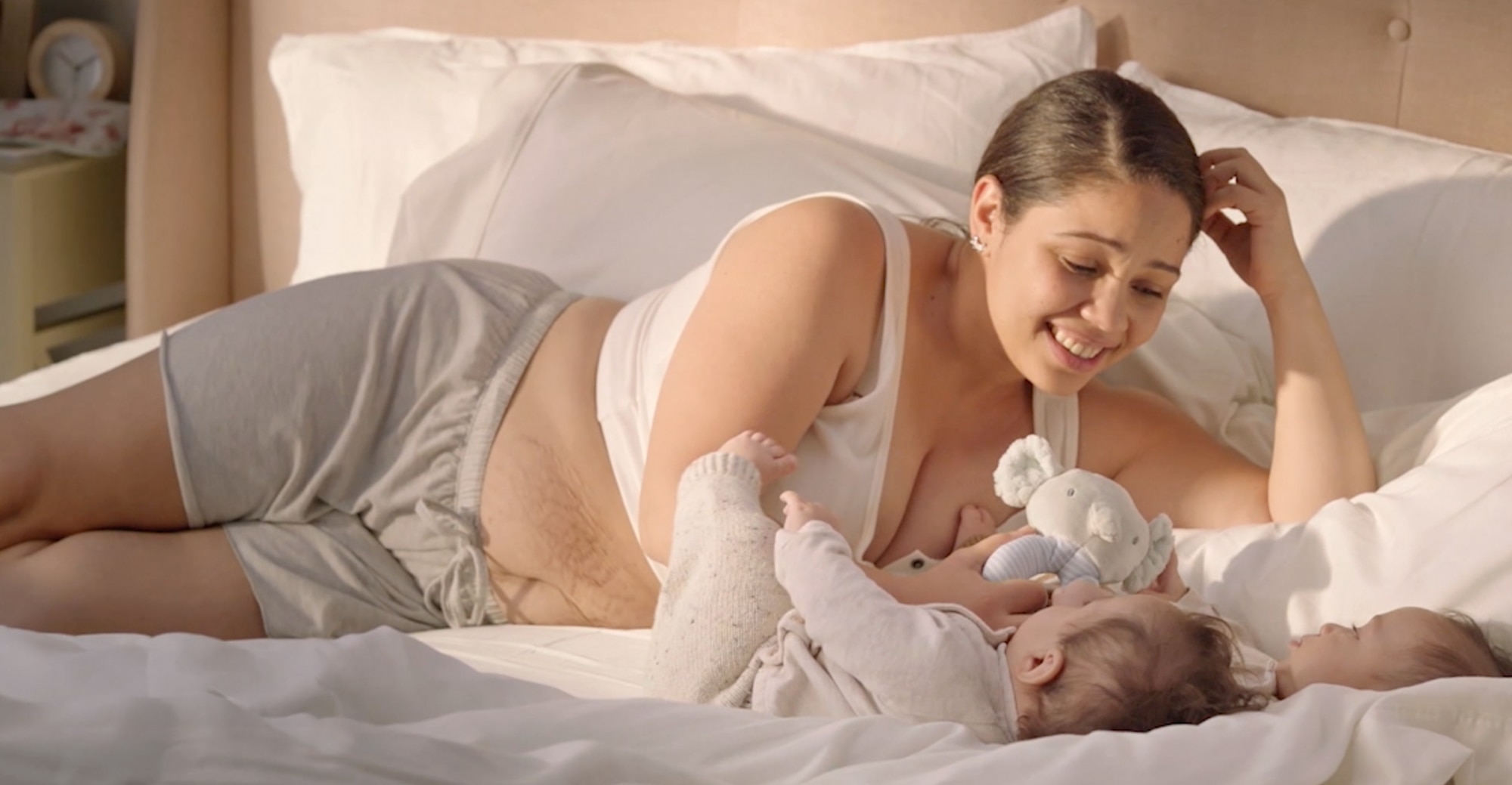
Many people are surprised by this, but sweating at night post-pregnancy is also completely normal. As your hormones find balance again, estrogen and progesterone levels fall quickly, and your body sheds excess fluid from pregnancy, making post-pregnancy sweats very common.
How long do night sweats last after pregnancy?
Most people notice that nighttime sweats post-pregnancy improve within a few days to a few weeks. For some, mild night sweats can last longer while hormones and menstrual cycles settle. However, if they continue beyond a few weeks or feel extreme, speak with your doctor.
Practical tips for managing night sweats
Practical tips for managing night sweats, early pregnancy, and beyond
You may not be able to stop night sweats completely, but you can make them more manageable.
Cool your sleep environment: Use a fan, lower the thermostat, or crack a window
Choose breathable fabrics: Think cotton sheets and light, loose sleepwear.
Stay hydrated: Sip water throughout the day and keep a glass by your bed, and limit spicy foods and caffeine near bedtime.
;Resize=(280,110) "Dove - Let’s Change Beauty logo")