What is sunburn, and what causes it?
Without stating the obvious. Sunburn is an inflammatory reaction to too much ultraviolet (UV) radiation from the sun or tanning devices. When UV rays penetrate the outer layer of your skin, they damage skin cells and potentially even DNA.
How does sunburn affect your skin?
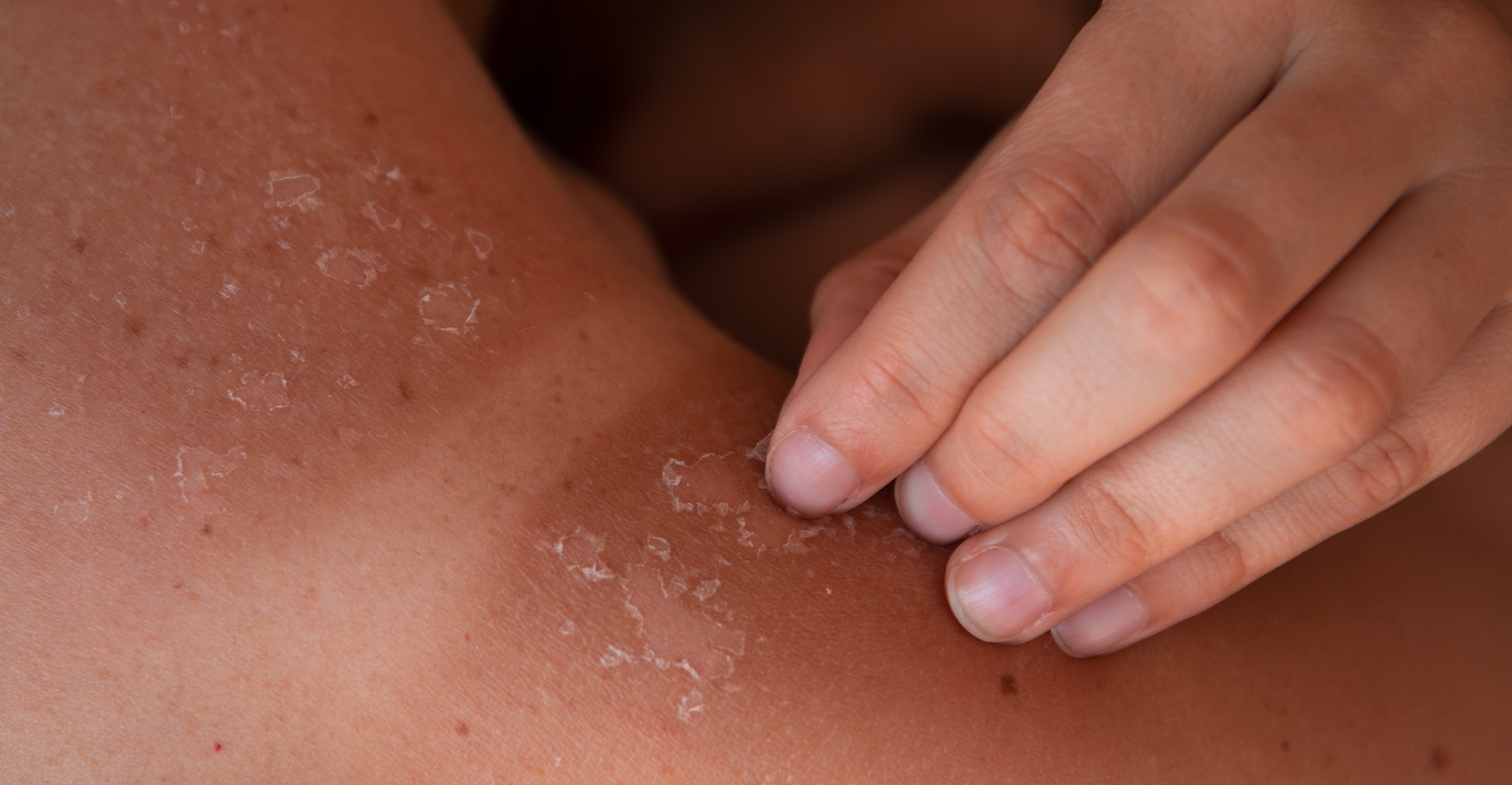
In response to overexposure, your body triggers inflammation, which shows up as redness, warmth, tenderness, and sometimes swelling or blisters. This process also weakens the skin’s barrier, causing increased moisture loss and sensitivity. As damaged cells are shed, you may notice peeling. Because sunburn is a visible sign of skin damage, caring for it gently—and preventing future burns—is essential for long-term skin health.
How long does sunburn take to heal?
Healing time for sunburn depends on how severe it is:
Mild sunburn (pink, a little sore, no blisters): Usually heals in about 3–5 days. Redness fades and may be followed by very light peeling.
Moderate sunburn (red, swollen, more painful, some peeling): Often takes around 5–7 days to feel significantly better, with peeling that can last up to a week more.
Severe sunburn (very red, blistering, intense pain): Can take 10–14 days or longer to heal, and may need medical attention—especially if large areas blister, you feel unwell (fever, chills, nausea, dizziness), or see signs of infection.
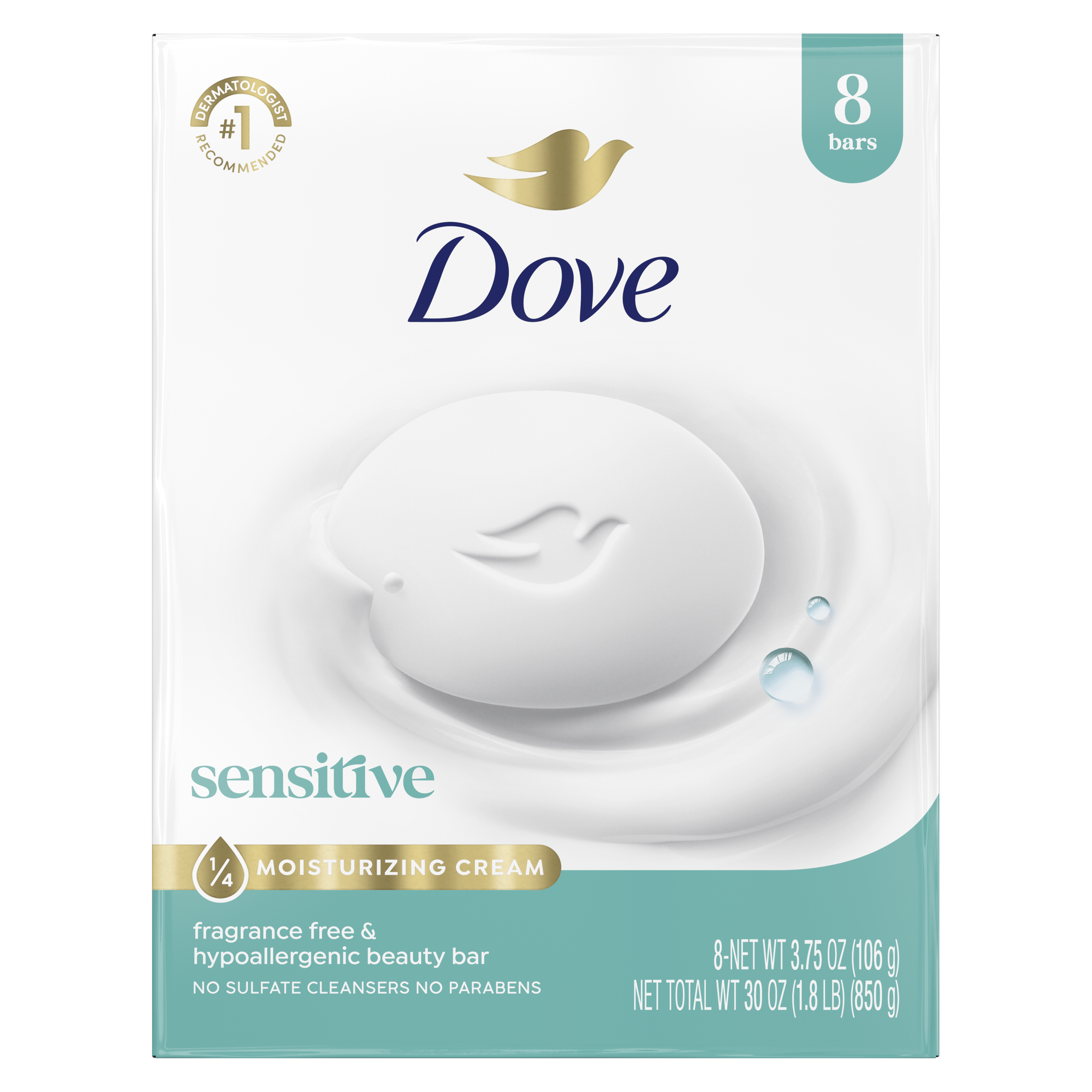
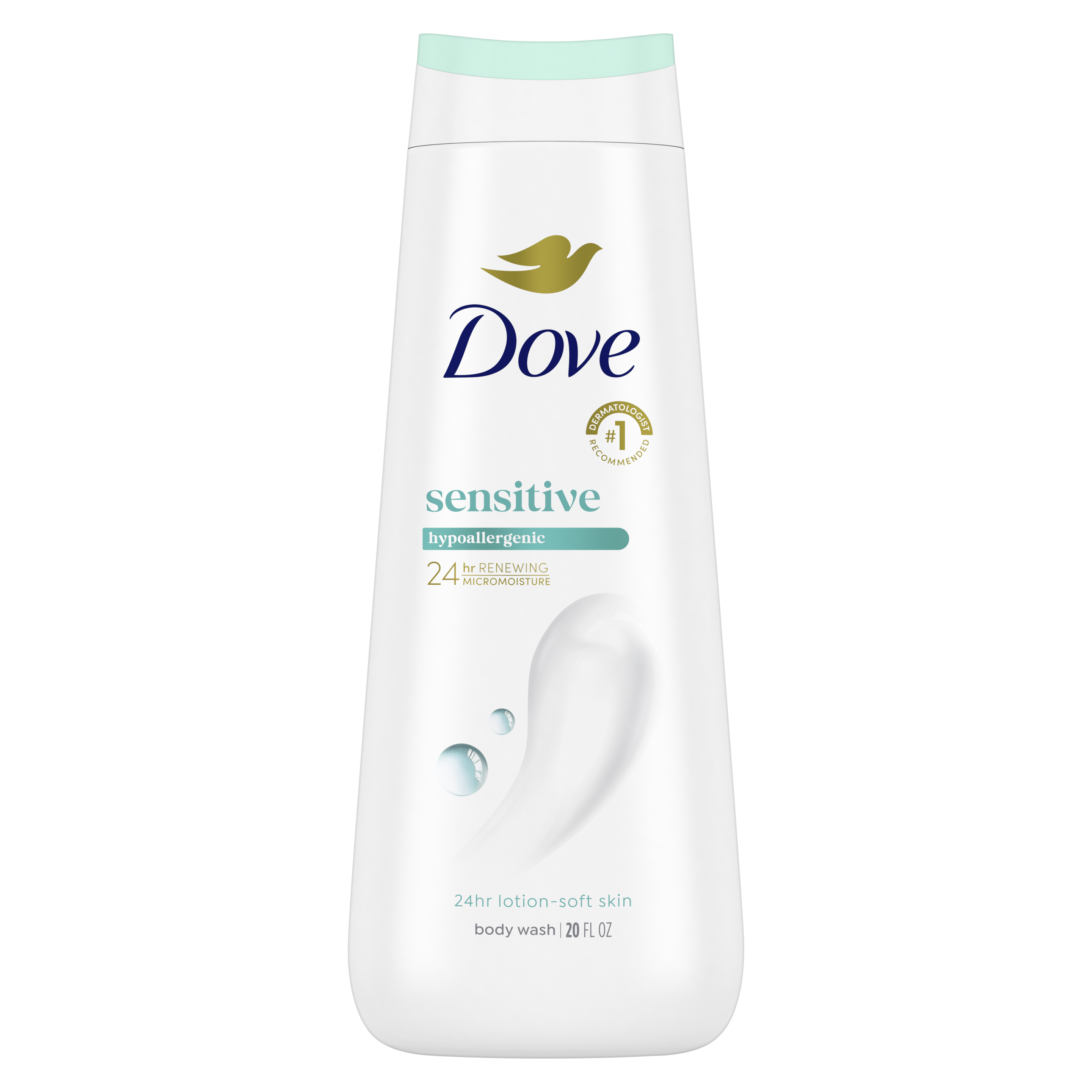
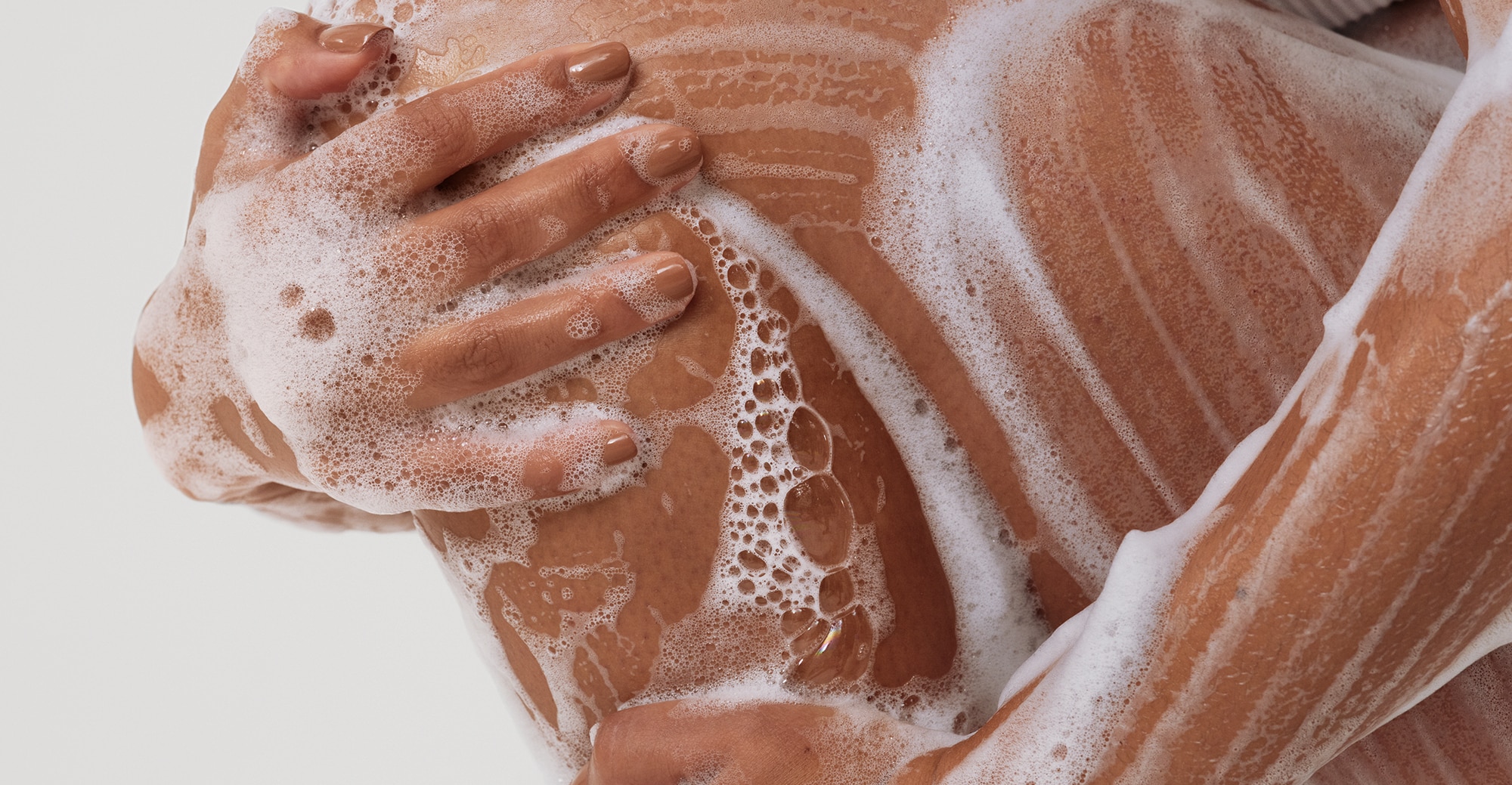
Good after-sun care—cool compresses, gentle cleansing, and applying pure aloe vera (plus regular moisturizing)—can’t “undo” the damage, but it can make the healing process more comfortable and support your skin barrier while it recovers.