;Resize=(280,110) "Dove - Let’s Change Beauty logo")
What is crepey skin?
Crepey skin is a term used to describe skin that appears thin, loose, and finely wrinkled, resembling the texture of crepe paper. It develops when the skin loses collagen, elastin, and moisture over time, causing it to appear less firm and resilient. Unlike deeper wrinkles or expression lines, crepey skin tends to look more delicate, with a crinkled or papery texture that may become more noticeable when pinched or moved.
Crepey skin commonly appears in areas where the skin is naturally thinner or more exposed to the sun and environmental damage. It’s often seen on the upper arms, legs, neck, chest, under the eyes, and around the knees or elbows. Common signs include sagging, fine wrinkling, dryness, thinning skin, and a loss of elasticity or bounce.
What causes crepey skin?
While many people wonder how to get rid of crepey skin, it’s important to remember that it’s a natural part of aging, as our skin naturally loses collagen and elastin over time. However, there are many internal and external factors that can contribute to how early it appears and how noticeable it becomes.
-
Natural aging: As we age, the body naturally produces less collagen and elastin — the proteins responsible for keeping skin firm, smooth, and elastic. This gradual decline can cause skin to lose its bounce and develop a thinner, crepe-like texture.
-
Sun exposure: UV rays are one of the biggest contributors to premature skin aging. Prolonged sun exposure breaks down collagen and elastin faster, weakening the skin’s structure and making crepey skin more noticeable.
-
Dehydration: Dry, dehydrated skin can make fine lines and crepey texture appear more visible. When skin lacks moisture, it may look thinner, duller, and less plump.
-
Smoking: Smoking exposes the skin to harmful chemicals that reduce blood flow and damage collagen and elastin. This can accelerate skin aging and contribute to sagging and wrinkling.
-
Poor nutrition: A diet lacking essential nutrients, antioxidants, healthy fats, and protein may affect the skin’s ability to repair and maintain itself, impacting overall firmness and elasticity.
-
Rapid weight changes: Significant weight loss or fluctuations in weight can leave the skin stretched and less able to bounce back, particularly if collagen and elastin levels are already reduced.
-
Environmental stressors: Pollution, harsh weather, and environmental damage can increase oxidative stress on the skin, contributing to collagen breakdown and premature aging.
-
Lack of skin care and hydration: Not regularly moisturizing or protecting the skin barrier can contribute to dryness and loss of elasticity, making crepey texture appear more pronounced.
Understanding what causes crepey skin can help you make lifestyle and skincare choices that support healthier, more resilient-looking skin.
How to treat crepey skin
Improving the appearance of crepey skin starts with consistently supporting your skin’s moisture barrier and elasticity. Because crepey skin is linked to a loss of collagen, elastin, and hydration, a gentle routine focused on nourishment can help the skin look smoother and more supple. Prioritize regular moisturizing, gentle cleansing, and ingredients that help attract and retain water in the skin, such as hyaluronic acid, glycerin, and ceramides.
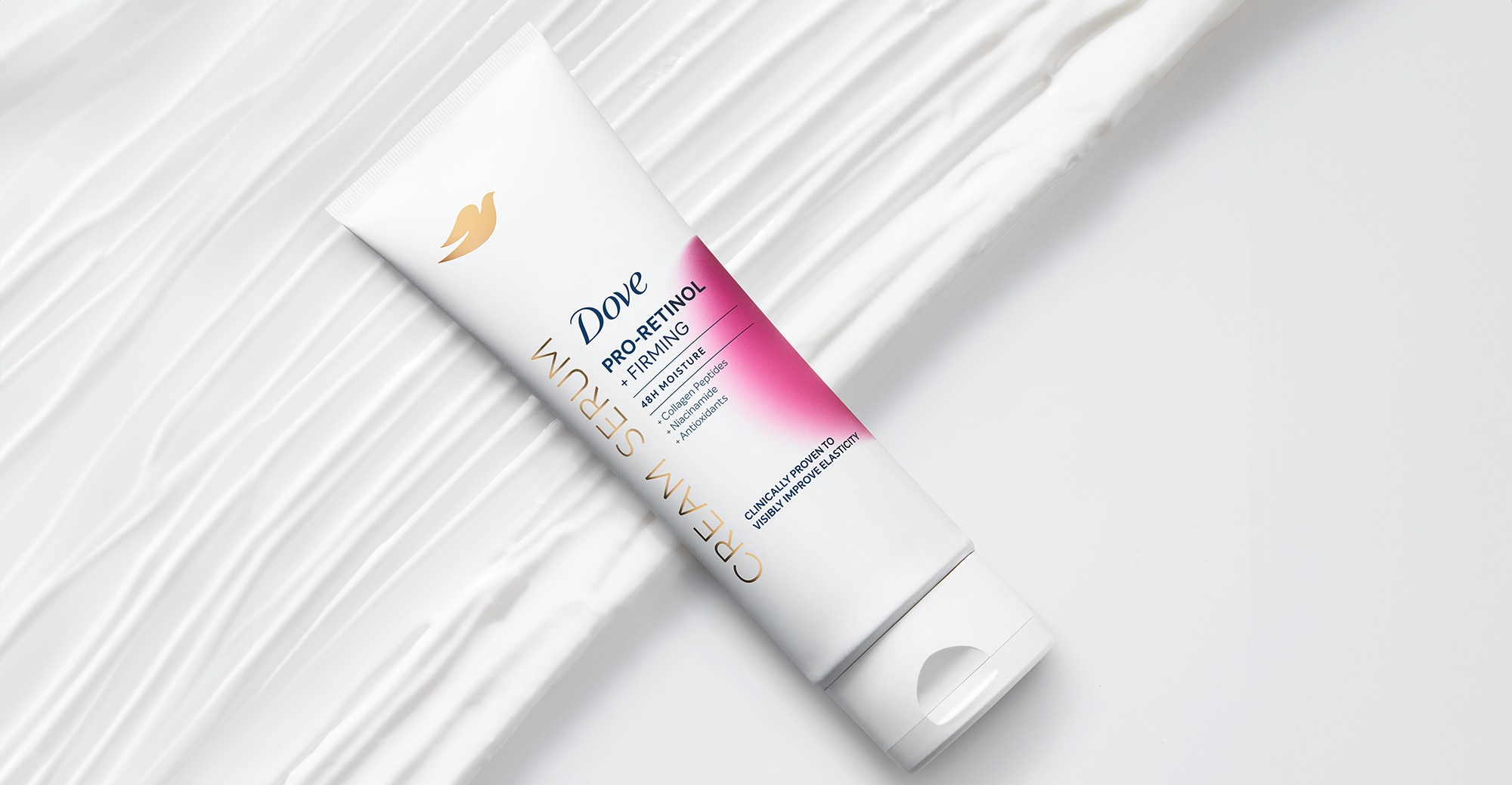
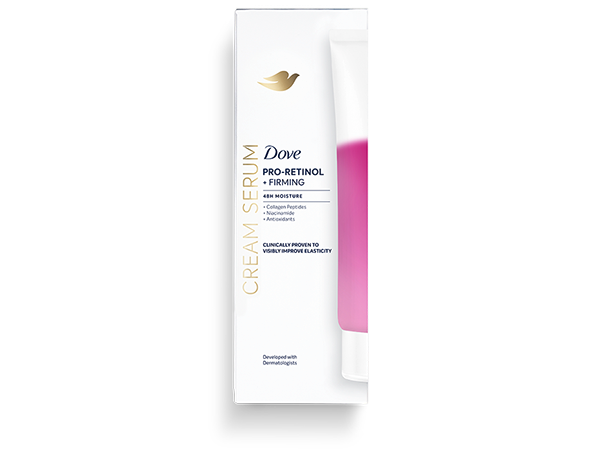
For more targeted care, ingredients like Pro-Retinol can help support skin renewal and improve the look of firmness and elasticity over time. If you’re searching for the best lotion for crepey skin on arms and legs, Pro-Retinol-based formulas are often recommended for helping smooth and firm areas where crepey skin is most visible. Our Pro-Retinol + Firming Cream Serum is designed to support skin elasticity and visibly improve the appearance of crepey skin, especially when paired with a hydrating body wash like one from our Serum + Oil Body Wash collection to help maintain overall skin moisture and comfort.
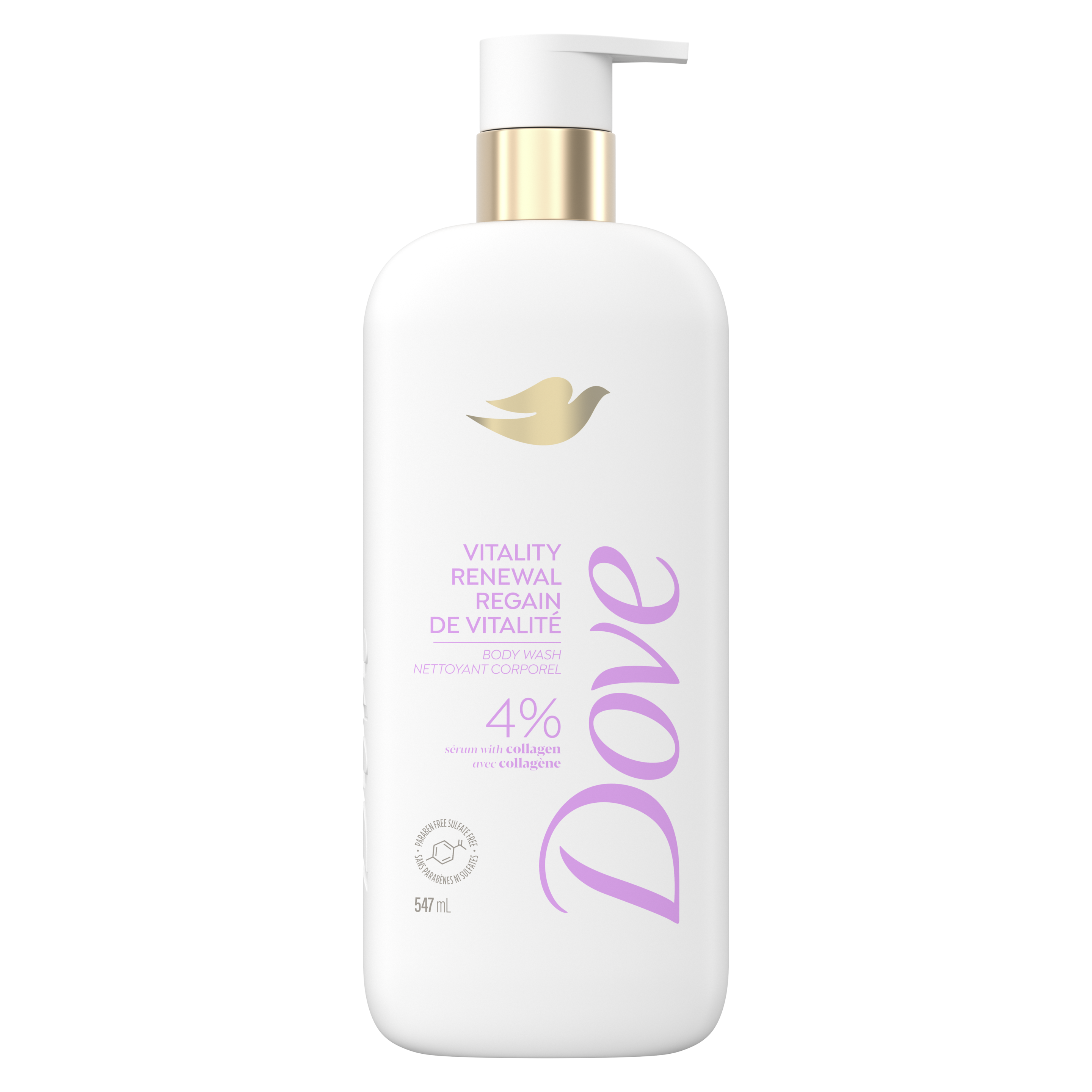
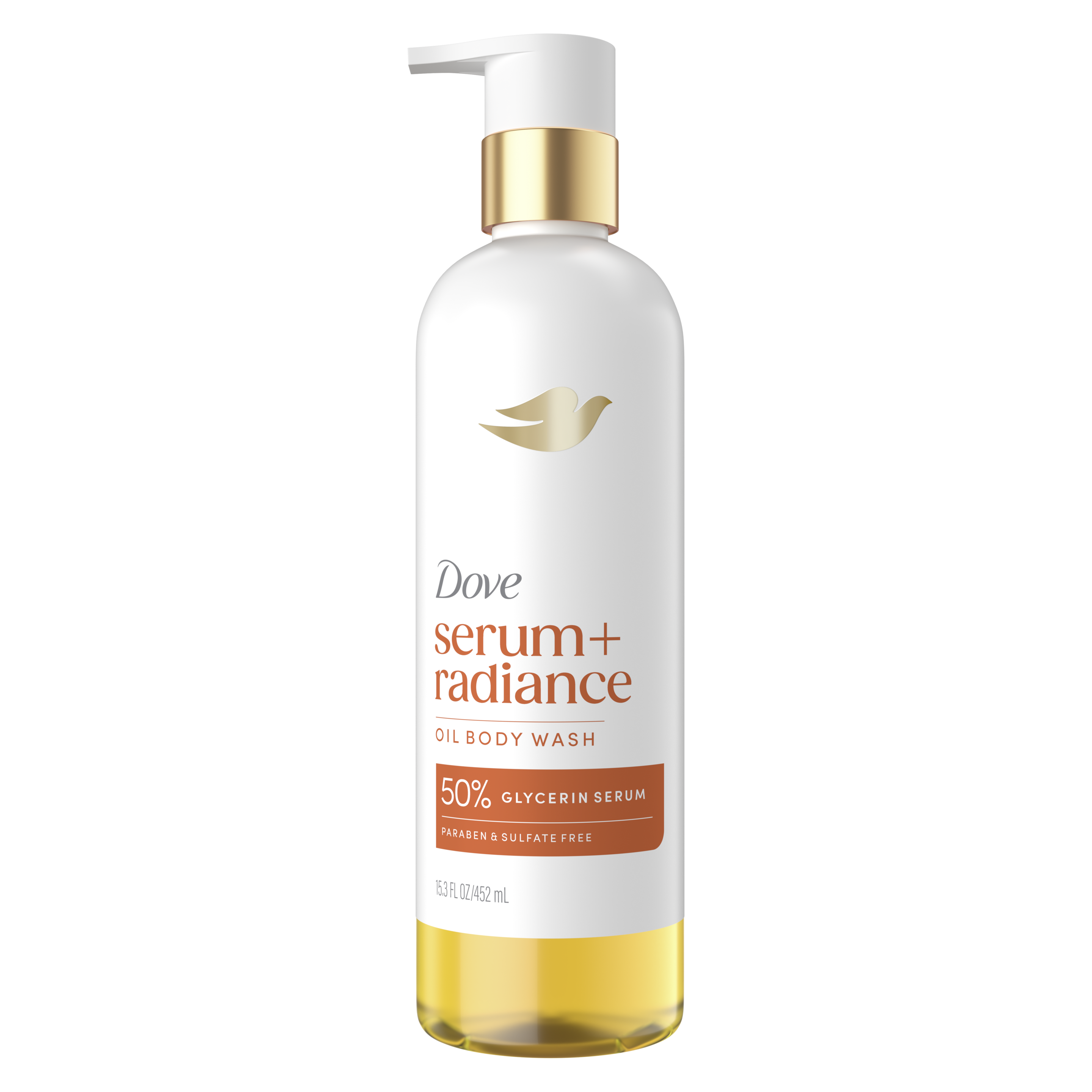
You can support your skincare journey beyond the shower by making simple, consistent lifestyle choices that help your skin look and feel its best. Staying well-hydrated, eating a balanced diet rich in antioxidants, healthy fats, and vitamins, and maintaining good sleep habits can all support your skin’s natural repair and renewal processes. These everyday habits help strengthen the skin barrier from within, contributing to a healthier, more radiant appearance over time.
It’s also important to protect your skin from environmental stressors, especially sun exposure, which is one of the biggest contributors to premature skin aging. Wearing sunscreen daily and seeking shade when possible can help preserve collagen and maintain skin elasticity. With the right combination of gentle skincare and supportive lifestyle choices, you can help your skin stay at the top of its game.