;Resize=(280,110) "Dove - Let’s Change Beauty logo")
What causes dry scalp?
The scalp’s skin barrier is responsible for sealing in moisture and keeping your hair follicles nourished so your hair can grow strong and healthy. However, the scalp is sensitive due to its dense network of glands, nerves and blood vessels. When the scalp barrier becomes damaged or weakened, it can lead to dryness and even negatively affect the health of your hair.
Some of the most common dry scalp causes are:
Harsh shampoos: Can strip your scalp’s natural oils and cause dryness or irritation. Some also contain fragrances or preservatives that can trigger an itchy rash.
Heat damage: Excessive heat from styling tools can dry out your scalp and damage hair’s surface.
Environmental factors: Pollution can cause oxidative stress and disrupt your scalp’s pH and microbiome, leading to dryness and sensitivity. Cold weather can also dry out your scalp’s moisture barrier.
Age: As you age, oil and ceramide production decrease, leaving the scalp barrier weaker and more prone to dryness.
Stress: Chronic stress activates hormones that weaken the scalp barrier and reduce hydration.
What are the signs of a dry scalp?
Generally, you’ll be experiencing an uncomfortable dryness and tightness on your scalp, and you might notice some visible skin flaking, too.
But be careful, there is a difference between dandruff and flakes from a dry scalp.
Dandruff is usually caused by a tiny yeast-like microorganism that grows on oily areas of the scalp. These microorganisms can produce irritants. When the scalp's natural barrier is weak and unhealthy, the microorganisms cause the skin cells to shed faster than usual, leaving larger flakes. A dry scalp boils down to the scalp losing too much of its natural moisture due to things like cold weather or washing with harsh shampoos. It doesn’t always lead to dandruff, but it can cause flakes, too (though they’re much smaller and fall away more easily).
How to help a dry scalp
After identifying the cause of your dry, itchy scalp, simple changes to your routine can help restore its balance. But if symptoms continue or get worse, you should seek advice from a dermatologist.
Change your shampoo and conditioner
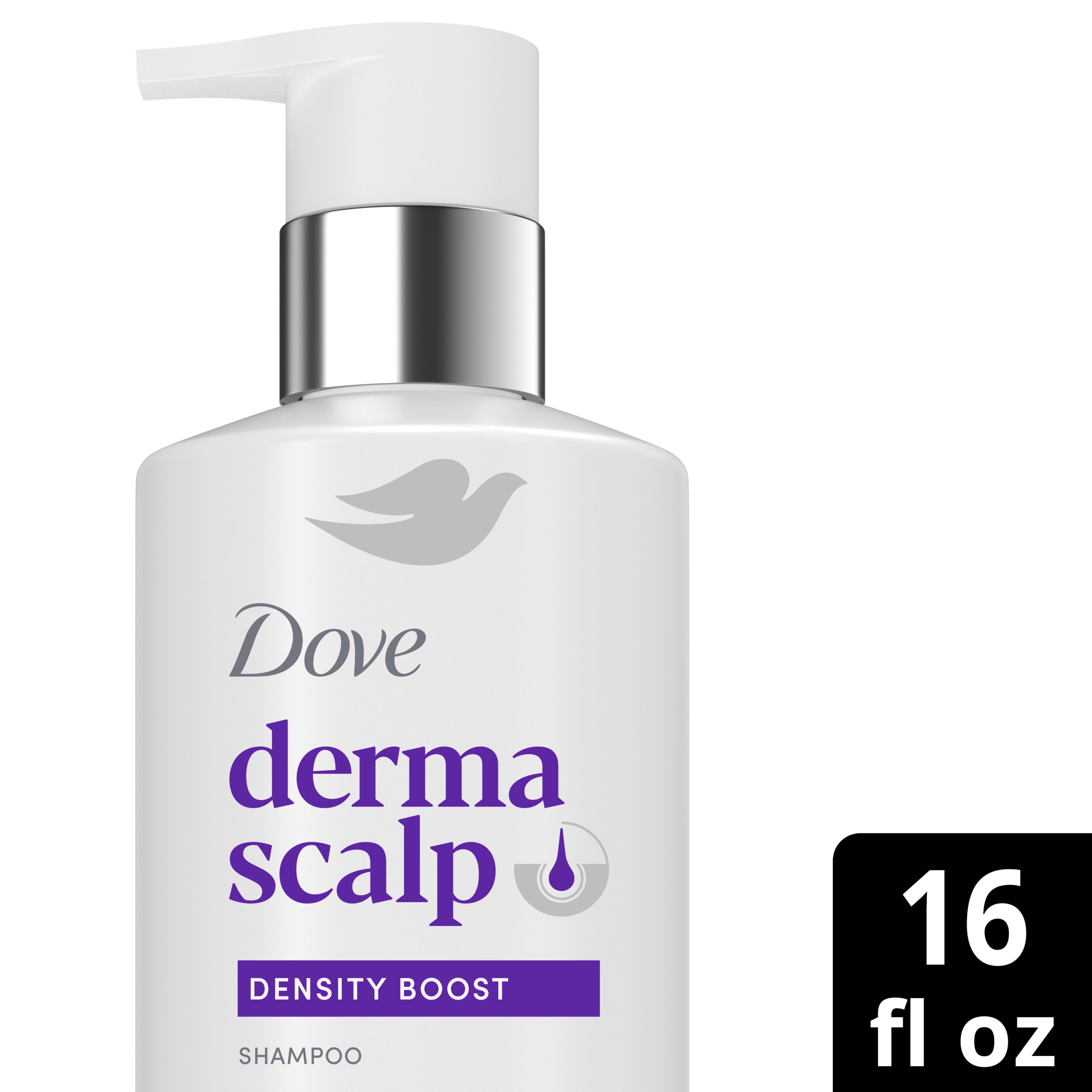
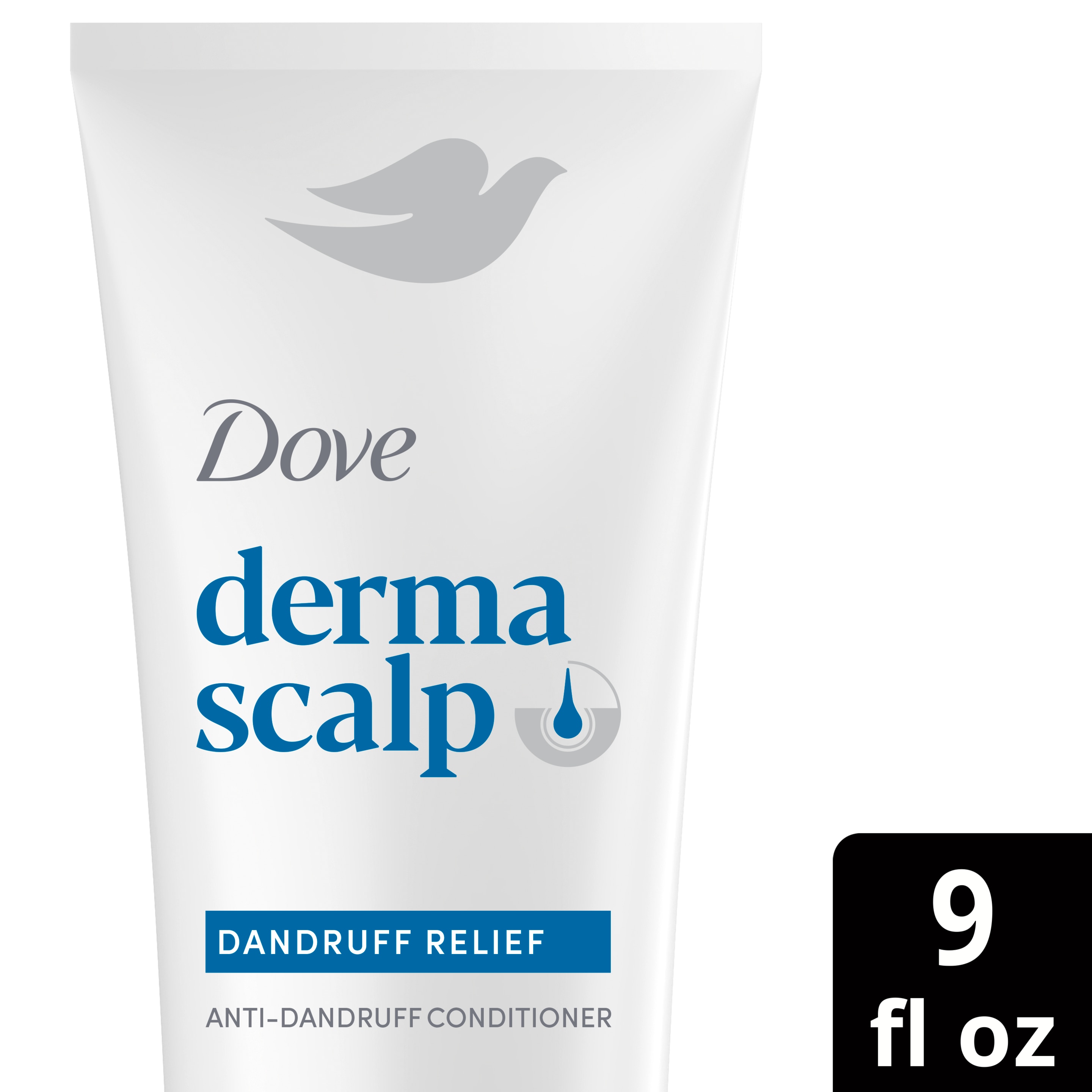
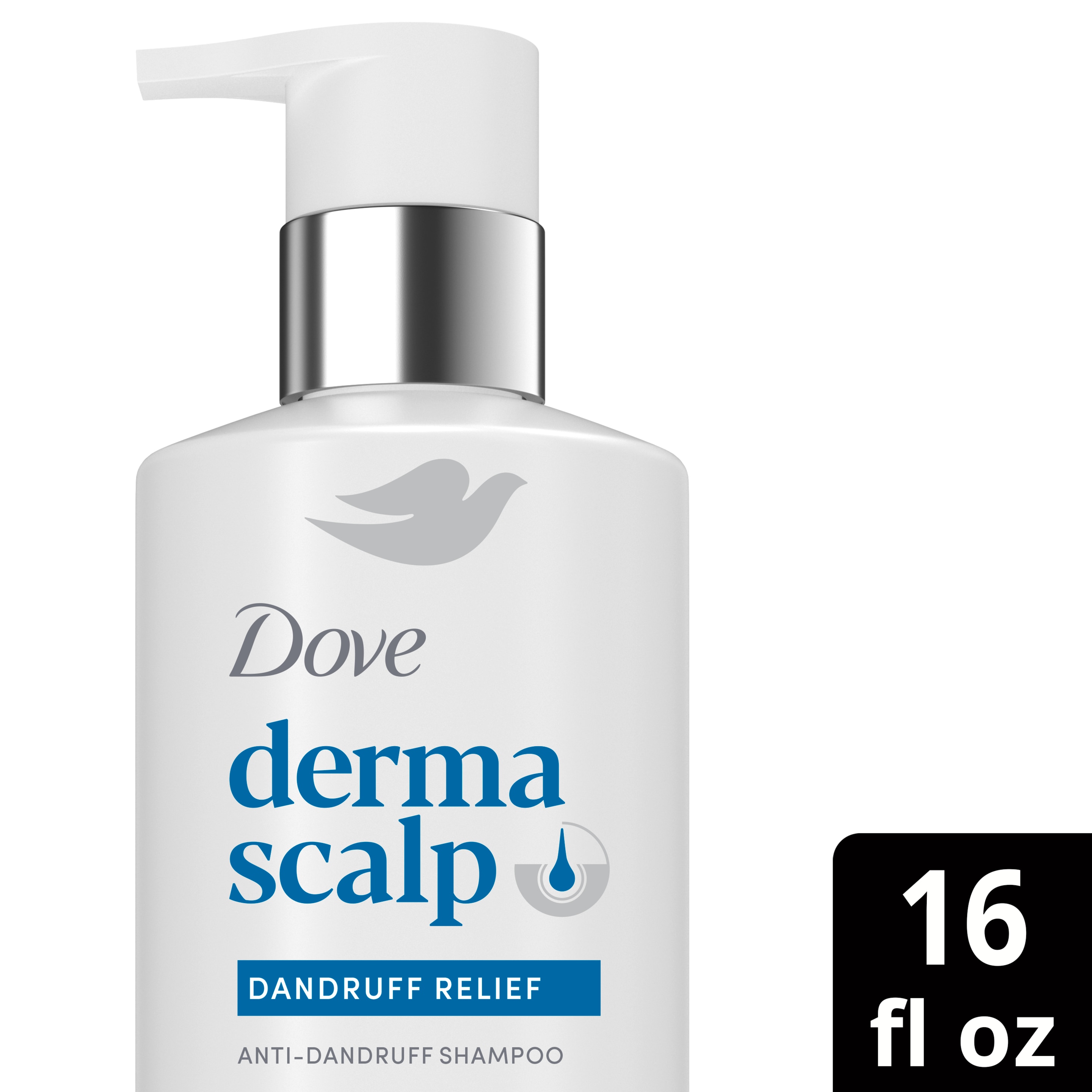
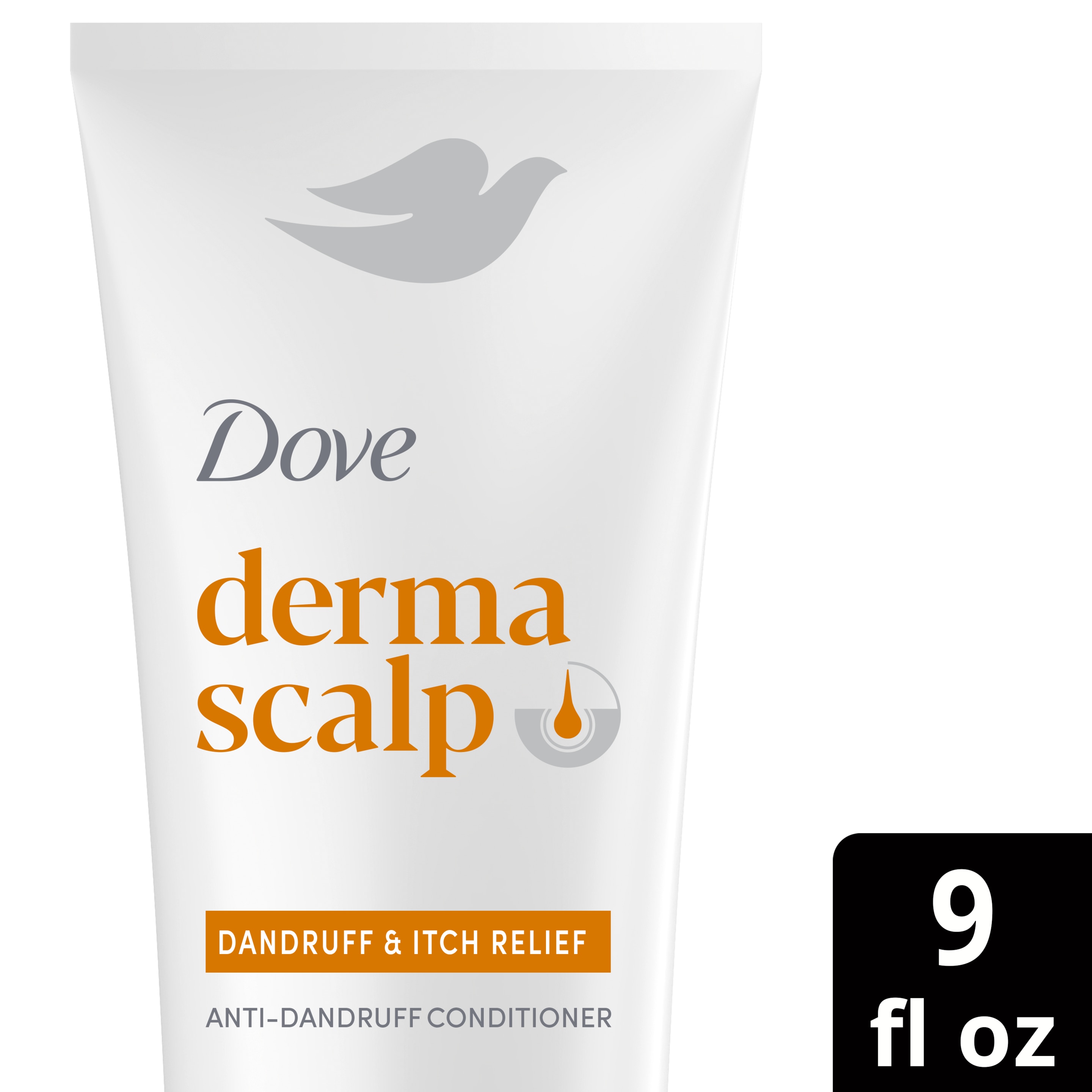
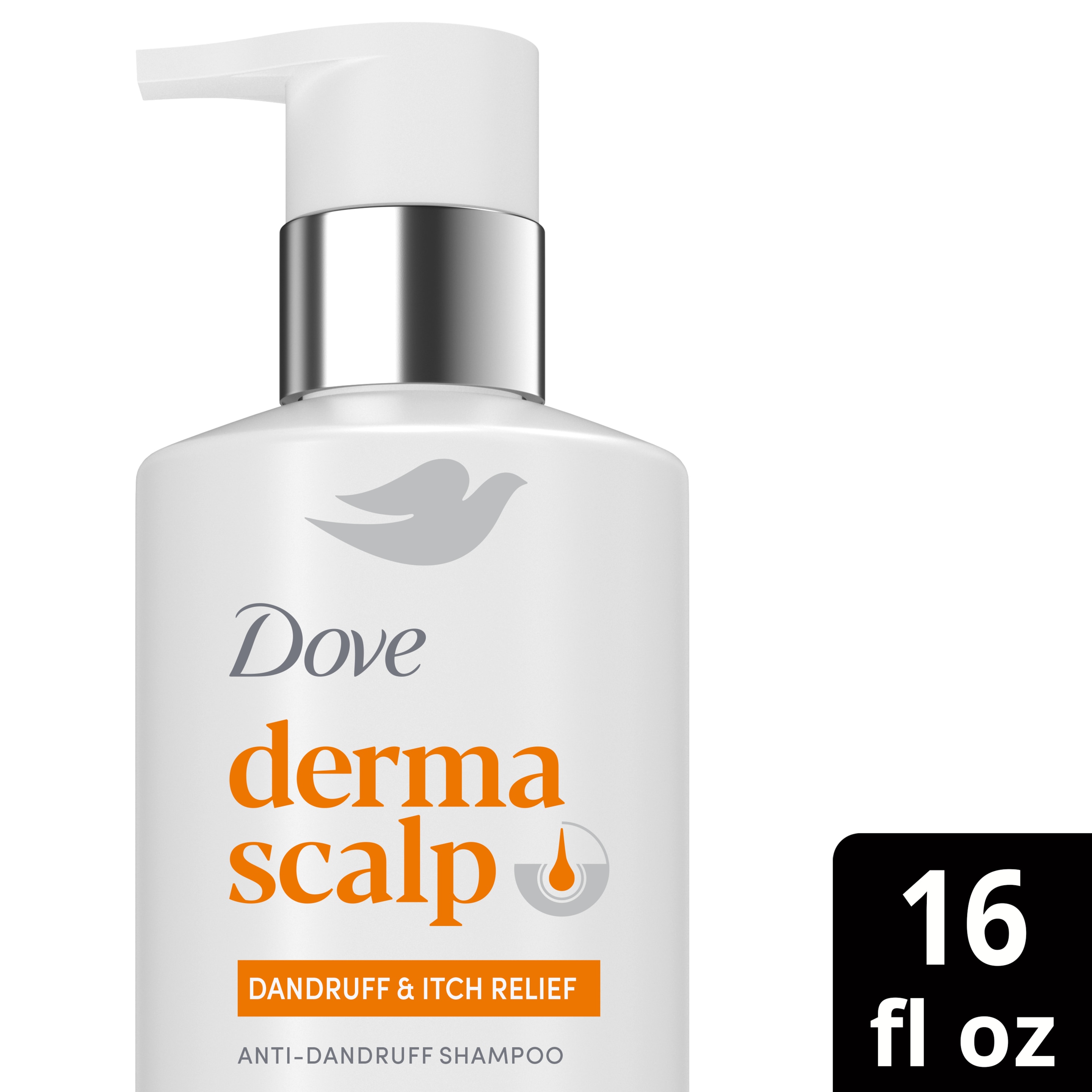
If you’re suffering from an itching scalp and dandruff, you should be using a dry scalp shampoo and conditioner that won’t strip your skin of moisture. Our Dove Derma Scalp Dandruff Relief Shampoo + Conditionerhave a sulfate-free formula with salicylic acid that helps eliminate flakes and restore fiber resilience for hair that’s 100% stronger*. Plus, thanks to its nourishing formula, this dandruff shampoo and conditioner helps prevent and control itching, flaking and irritation caused by dandruff.
Shampoo less often
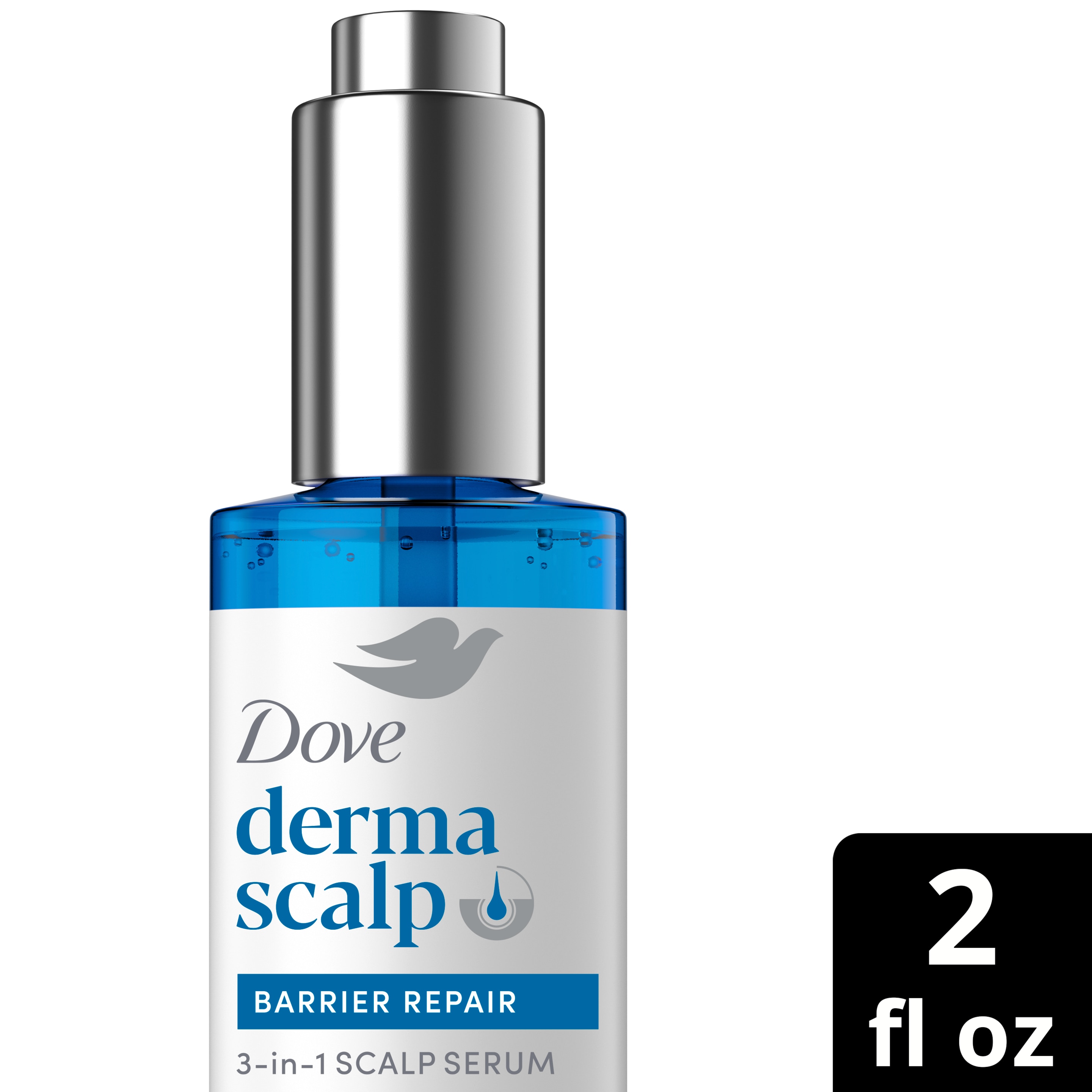
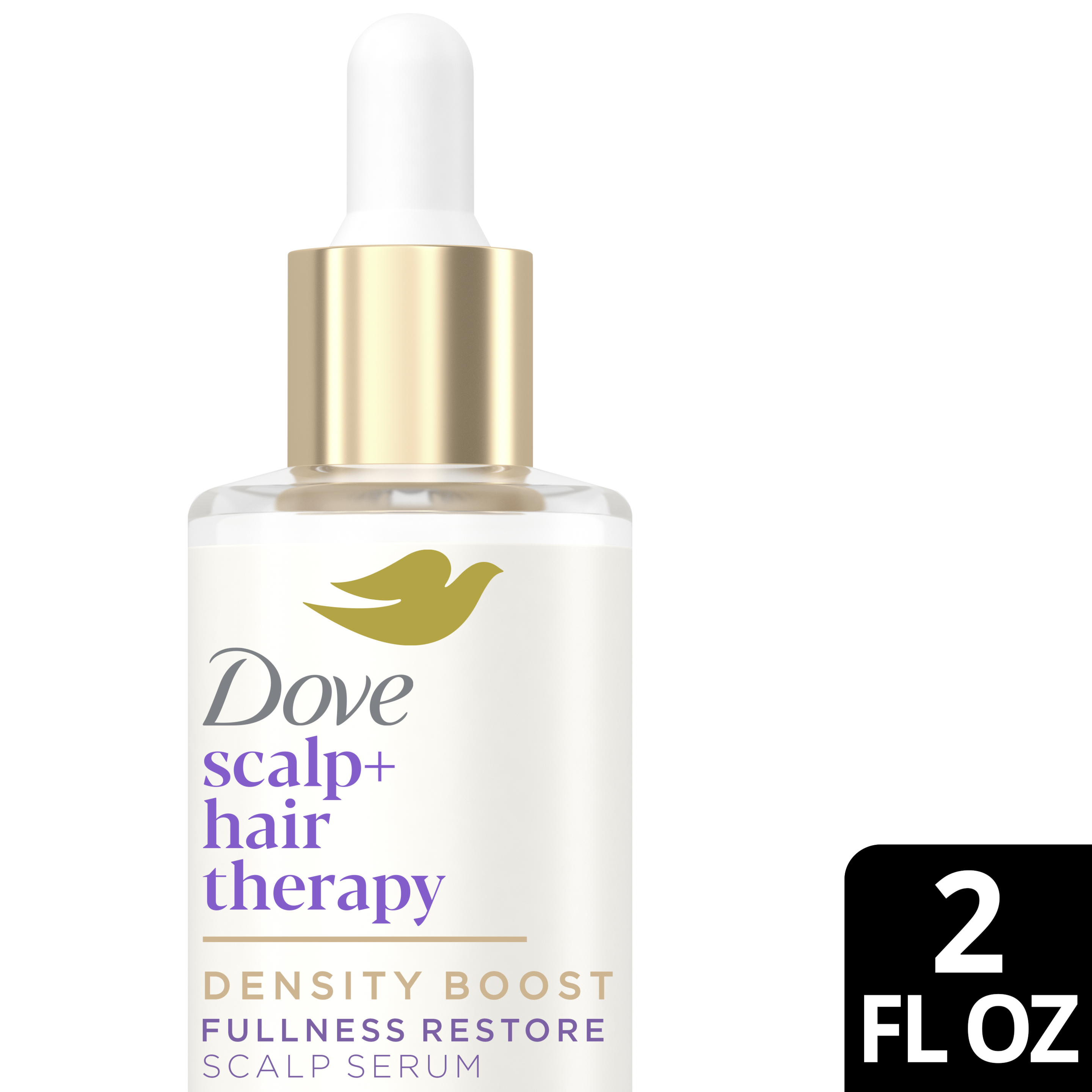
Washing your hair a little less often is a simple dry scalp remedy, as cleansing too frequently can remove naturally moisturizing oils. Pair that with a nourishing scalp care routine, such as our 3-in-1 Derma Scalp+ Barrier Repair Scalp Serum with niacinamide, glycerin and vitamin E, to help regenerate your scalp’s protective moisture barrier.
Turn down the heat
Hot showers or styling tools can compromise the scalp’s barrier function and contribute to its dryness and flakiness. To prevent it, try keeping your blow dryer on a low to medium setting and holding it about six inches away from your scalp.
Stay hydrated
Staying hydrated is essential for your overall health, and it can also support a more nourished scalp. If your skin is dry due to low sebum production, drinking water might help. Aim to drink around 8 to 10 glasses of water a day to help your body replenish lost moisture.
Embrace a healthy, hydrated scalp
A well-nourished scalp is the foundation for strong, healthy hair. Keeping your scalp's moisture barrier healthy by using your blow dryer less or choosing cleansing products for dry scalp like our moisturizing Dove Derma Scalp Dandruff Relief Shampoo + Conditioner can make a noticeable difference. When your scalp is properly cared for, it provides the necessary environment for hair to thrive.
*due to breakage, system vs non-conditioning shampoo.
- slide 1
- slide 2
- slide 3
- slide 4
- slide 5
- slide 6
- slide 7
- slide 8
- slide 9