;Resize=(280,110) "Dove - Let’s Change Beauty logo")
When it comes to repairing damaged hair, the first step is understanding the underlying issues. Let’s uncover what this really means and how you can strengthen, restore and protect your hair with a trusted daily routine.
What happens when hair becomes damaged
Hair damage happens in layers and understanding this makes it easier to treat it properly. At surface level, damage affects the outer layer of the hair. When this layer is smooth, hair is light and feels soft . When it is damaged, the cuticle becomes rough and uneven, which is why hair can start to look dull, frizzy and feel dry or coarse to the touch. This is what we refer to as surface damage.
Structural stress goes deeper. It affects the inner part of the hair strand, where strength and elasticity come from. When this inner structure is weakened, hair loses its ability to stretch and bounce back, which makes it more prone to snapping and breakage. This is why hair may feel thinner at the ends, break easily when brushed, or struggle to hold styles.
Most people experience a mix of both surface damage and structural stress.
What causes hair breakage and damage?
While some damage is irreversible, many aspects can be improved.
Heat styling and over-processing
Frequent use of heat tools and chemical treatments can strip hair of its natural moisture, which leads to brittleness and breakage.
Environmental stress
Sun exposure, pollution and harsh weather conditions can weaken hair over time, causing your hair to lose its luster and strength.
Daily wear and tear
Everyday activities like brushing, tying, and friction from clothing can contribute to hair damage.
Chemical treatments and color damage
Coloring and other chemical processes can alter the hair's structure, making it more susceptible to damage.
Does hair repair shampoo really work?
Damage repair shampoos are formulated to nourish and strengthen hair from the inside out, helping to reduce breakage and improve overall appearance. With regular use, repair shampoos can enhance your hair's resilience and vitality over time.
What really helps strengthen and restore damaged hair
A well-rounded hair repair routine goes beyond just shampoo. Cleansing is the foundation, but it is what follows that really helps strengthen and protect the hair.
Step 1: Cleanse with a gentle shampoo
Start with a nourishing damaged-hair repair shampoo to remove build-up, oil and impurities.
Step 2: Condition to smooth and protect
After rinsing, apply a hair repair conditioner through your mid-lengths and ends. This step helps smooth the hair cuticle, which reduces friction and makes detangling much easier. Hair will feel softer, look shinier and be less prone to breakage during styling.
Step 3: Use a treatment mask weekly
Once or twice a week, swap your regular conditioner for a treatment mask. This gives your hair an extra boost of nourishment, especially if it feels dry, stressed, or overworked from heat styling or coloring. Over time, masks help improve softness and make hair feel more supple and manageable.
Step 4: Apply a leave-in conditioner for daily protection
After washing your hair, apply a leave-in conditioner while it's still damp. This is a lightweight product that stays in your hair without being rinsed out. Its role is to provide ongoing hydration, smoothness and protection throughout the day.
Step 5: Style gently and protect your locks
When styling, be mindful of heat and tension. Use lower heat settings where possible and avoid pulling hair too tightly. Gentle handling helps maintain the progress you are making with your repair routine.
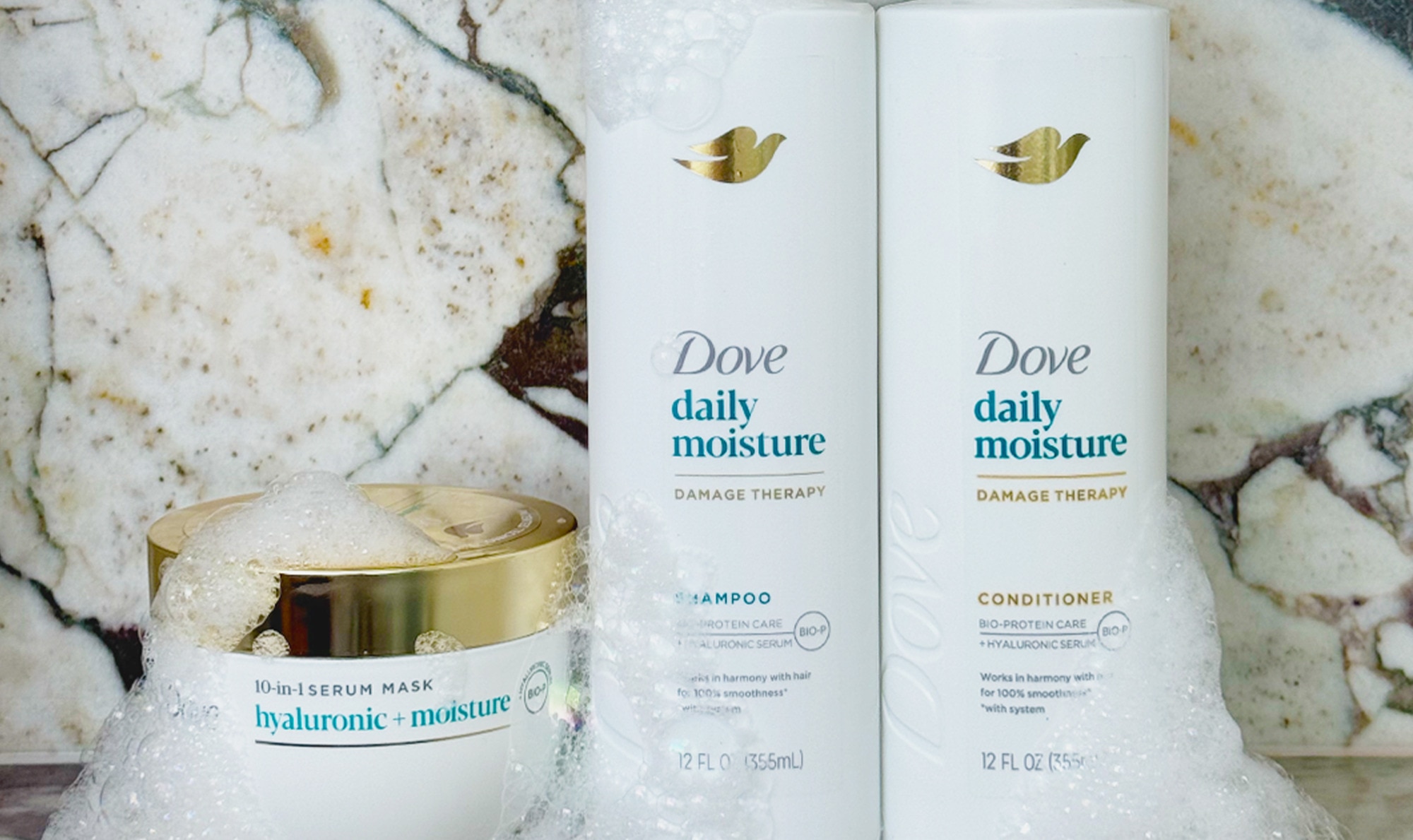
Dove Hair products can slot easily into each of these steps, offering simple, nourishing options that support damaged-hair repair without overcomplicating your routine. The real results come from sticking to these habits consistently and choosing products that work with your hair’s needs.
How to build a simple hair repair routine that works
Building an effective hair repair routine does not need to be complicated. It starts with a consistent approach to washing and conditioning. Over time, add in other small steps such as a hair treatment mask and leave-in conditioner – and you'll soon notice the difference as your hair feels stronger and looks healthier.
Results can vary depending on the level of damage, but improvements in softness and manageability are often noticeable within a few weeks. With continued care, your hair will become more resilient and less prone to breakage.
Can you repair hair without cutting it?
It’s possible to significantly improve the look and feel of damaged hair without cutting it. A good routine can smooth rough texture, reduce frizz, and make hair feel softer and more manageable. It can also help minimize breakage by strengthening weakened areas.
That said, split ends cannot be fully repaired. Trimming remains important for preventing further damage from traveling up the hair strand. Think of trims as part of maintenance, while your repair routine focuses on improving overall condition and preventing future stress.
By combining gentle care, protective styling, and the right products, it is possible to maintain longer hair while still addressing damage in a practical way.
How to prevent further damage
Protecting hair from future damage is just as important as repairing what is already there. Heat styling should always be approached with care, using lower temperatures (generally 350°F–365°F) and applying a heat protectant before styling.¹ This helps reduce the impact of high temperatures on your hair’s structure.
Environmental protection also plays a role. Sun exposure and pollution can gradually weaken hair, so using protective products (like UV-filtering sprays, creams, or serums) or covering hair when spending extended time outdoors can make a difference. Small changes in daily habits, like switching to gentler hair ties or brushing more carefully, can also help reduce unnecessary stress on the strands.
FAQs
Damaged hair can be improved with the right routine. While it cannot fully return to its original state, it can become smoother, softer, and more resistant to breakage with consistent care.
The best shampoo for damaged hair is one that gently cleanses while supporting moisture and strength. Look for formulas designed specifically for damaged hair repair, like those in the Dove Hair Intensive Repair ranges.
You may start to notice improvements in softness and manageability within a few weeks. Stronger, more resilient hair develops over time with consistent use of a supportive routine.
Stronger, healthier-looking hair is built through consistent habits rather than quick fixes. While it can be tempting to rely on occasional treatments, real progress comes from maintaining a routine that supports hair every day. Each wash, condition, and treatment contributes to reinforcing the hair fiber and improving its overall condition.