;Resize=(280,110) "Dove - Let’s Change Beauty logo")
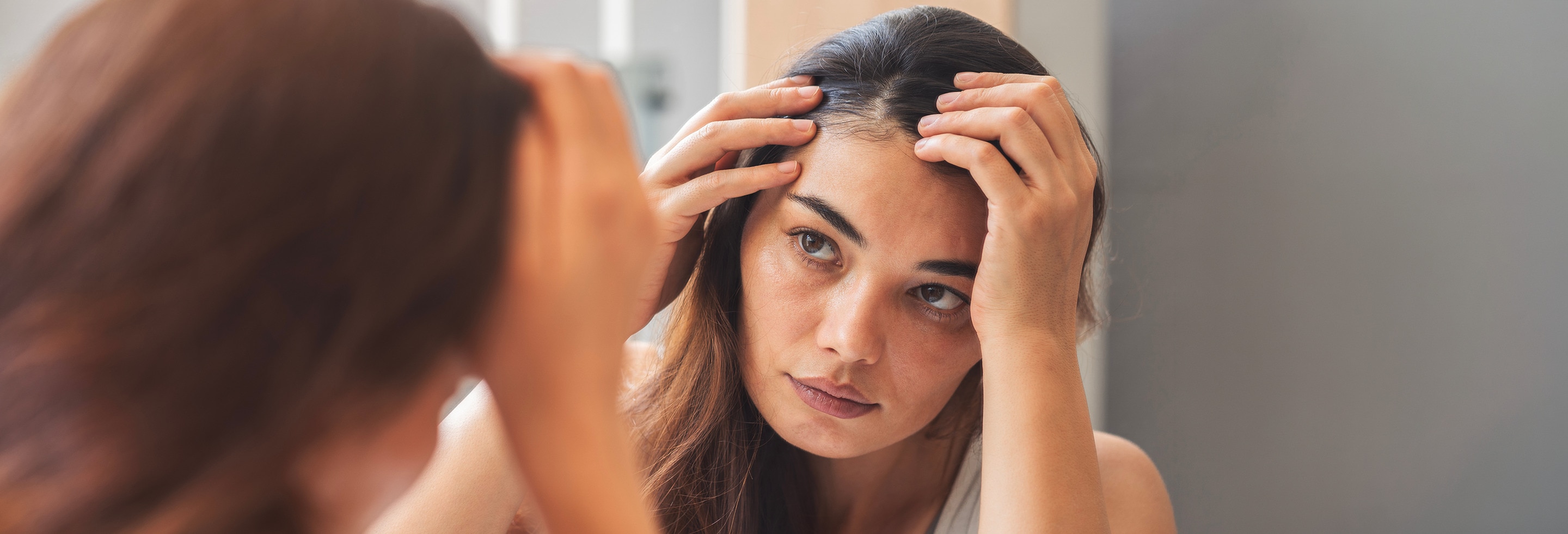
The best hair loss treatment for you will depend on your individual condition and its cause. For medical hair loss, speak to a dermatologist, who can diagnose and recommend the right course of action. For day-to-day thinning and damage, you can try supportive products like Dove Damage Therapy Volume & Fullness Shampoo to help strengthen hair fibers, reduce signs of damage and restore the appearance of fuller, healthier-looking hair.
Understanding the Root Causes of Hair Thinning
Hair changes can feel deeply personal – whether you're noticing more shedding in the shower, a widening part line or hair that simply doesn't feel as full as it once did. It can happen for many reasons, including temporary shedding after a stressful period or hereditary hair loss that develops gradually.
The hair growth cycle explained
Hair naturally moves through a continuous cycle of growth, transition and shedding.1
- Anagen phase: The active growth stage, which can last several years.
- Catagen phase: A short transition phase where growth slows.
- Telogen phase: The resting phase, after which the hair sheds and a new hair begins to grow.
As part of this normal cycle, most people shed between 50 and 100 hairs per day.⁴ Seeing some hair in your brush, on your pillow or in the shower is often completely normal.
Common causes of hair loss and thinning
Many factors can contribute to hair thinning, and it's not uncommon for more than one cause to be involved at the same time.³
- Genetics (androgenetic alopecia): The most common cause of progressive hair thinning. This condition involves gradual miniaturization of hair follicles and typically requires medical management.2
- Hormonal changes: Pregnancy, postpartum recovery, menopause, PCOS and thyroid conditions can all affect hair growth patterns.1 Medical assessment is recommended.
- Stress (telogen effluvium): Significant physical or emotional stress can trigger temporary shedding.
- Nutritional deficiencies: Low levels of vitamin D, iron, B-vitamins and protein levels have been associated with hair changes.
- Medication side effects: Certain medications may affect hair growth and shedding patterns.
- Medical conditions: Autoimmune conditions, scalp disorders and endocrine disorders can contribute to hair loss.
- Hair care practices: Tight hairstyles, frequent chemical processing and excessive heat styling can lead to breakage that makes hair appear thinner.
When to see a dermatologist
A dermatologist can help identify the underlying cause of hair loss and determine whether medical treatment may be beneficial.³ Consider making an appointment if:
- Hair loss is sudden, patchy or rapid
- You notice bald patches or scalp irritation
- Hair loss is accompanied by scalp pain, redness, itching or scaling
- You're consistently losing noticeably more hair than normal daily shedding
- You suspect a hormonal, nutritional or medication-related cause
- Hair loss is affecting your wellbeing or confidence
"Hair loss is a common complaint among both men and women and is associated with significant psychologic distress." says Kaelynn Workman, MD, Dermatology Resident in her paper Approach to the Patient with Hair Loss.⁵
"Due to the varied causes, it is important to correctly diagnose the type of alopecia a patient is experiencing to ensure tailoring of treatment."⁵
Female Hair Thinning Causes: A Closer Look
Women's hair can change throughout different life stages and those changes often reflect shifts happening inside the body. Understanding the role of hormones, genetics and lifestyle factors can help guide the next steps.
Hormonal hair changes across life stages
Hormones play an important role in regulating hair growth and cycling.1 Many women notice increased shedding:
- After pregnancy
- During perimenopause and menopause
- When living with Polycystic Ovary Syndrome (PCOS)
- When experiencing thyroid disorders
If you think hormonal factors might be contributing to your hair changes, speak with your doctor or dermatologist. Cosmetic hair care products can complement medical guidance, but they do not treat underlying hormonal conditions.
Female-pattern hair thinning (Androgenetic Alopecia in women)
Female-pattern hair thinning is one of the most common causes of progressive hair loss in women.2 It occurs when hair follicles gradually become smaller, leading to reduced hair density, particularly around the crown and part line.
Because genetic, hormonal and environmental factors may all play a role, diagnosis by a dermatologist is important before considering treatment options.2
Lifestyle factors that affect women's hair
Everyday habits can also influence how hair looks and feels. Making gradual, sustainable changes often supports healthier-looking hair. Factors that may affect hair appearance include:
- Chronic stress
- Poor sleep quality
- Restrictive dieting
- Inadequate protein intake
- Frequent heat styling
- Tight hairstyles such as ponytails or braids that place tension on the scalp
How to Choose a Hair Growth Shampoo That Supports Healthier-Looking Hair
The right shampoo can support scalp health, reduce breakage and improve the appearance of fuller hair, but it's important to understand what a shampoo can and cannot do.
What ‘hair growth shampoo’ actually does
Despite the name, a ‘hair growth shampoo’ does not create new hair growth in follicles that have stopped producing hair.
Instead, these products support the appearance and condition of the hair you already have. It may also help to create a healthy scalp environment, strengthen hair fibers and improve fullness and body.
That's an important distinction. No cosmetic shampoo can regrow hair lost due to follicular damage or replace medical hair growth treatment when hair loss has an underlying health cause.
Ingredients that support a healthy scalp environment
Some ingredients commonly found in hair care products may support healthier-looking hair:
- Caffeine: Studied for its potential role in supporting scalp circulation.
- Niacinamide: Supports scalp health and barrier function.
- Biotin: Often included in volumizing formulas that support healthy-looking hair.
- Peptides: May help support hair appearance.
- Saw palmetto: Studied in some contexts, although results vary.
What to Look for in the Dove Volumizing Shampoo Range
If your hair looks thinner because it feels flat, limp or damaged, volumizing products can help improve the appearance of fullness.
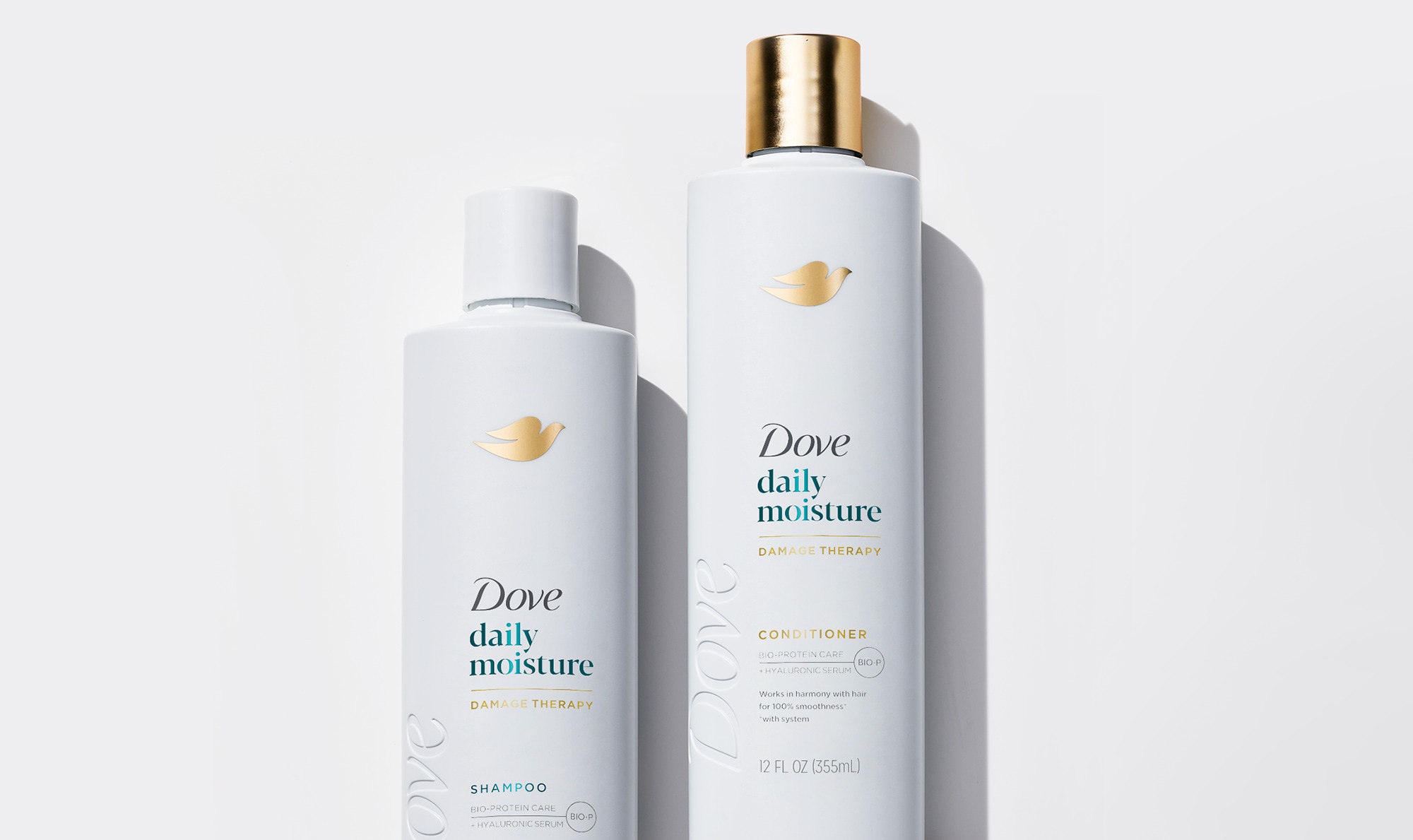
Dove Damage Therapy Volume & Fullness Shampoo is made with Bio-Protein Care. It works at a molecular level to strengthen hair fibers while helping support all-day body and volume. This can be especially helpful when breakage and damage are making hair appear less full.
For those with fine hair who want lightweight volume, Dove Damage Therapy Lavender & Volume Shampoo combines Bio-Protein Care with a fresh lavender and light grapeseed oil blend to help boost body and shine without weighing down your strands.
These products support the appearance of fuller hair. They do not treat medical hair loss or regrow hair.
Building a Supportive Routine for Healthier-Looking Hair
A consistent routine can help reduce breakage, support scalp comfort and improve the appearance of stronger, fuller-looking hair over time.
A gentle daily routine
- Cleanse regularly with a gentle shampoo, using just your fingertips to very gently massage the scalp and promote blood flow to the follicles. There's no need to wash all the way to the end – the bubbles will take care of that. Just focus on the scalp.
- Condition generously after washing. At this point you can use a wide-tooth comb to carefully separate the strands while rinsing it out, avoiding pulling on the hair.
- Allow your hair to dry naturally as often as possible and give the flat-iron a rest, too. By limiting heat styling, you're reducing the stress on your hair and the potential for damage.
- Avoid tight hairstyles that pull on the scalp and restrict the bloodflow to the area, as well as pulling at the follicles. Try a loose bun, or use a claw clip to gently hold it back while you need it out of the way.
TOP TIP: Wet hair is more vulnerable to breakage, so swapping a brush for a wide-tooth comb can help reduce unnecessary stress on the hair fiber.
Pairing volume shampoo with conditioning care
Many people focus on shampoo and overlook the role conditioner plays in preserving the appearance of fullness.
Dove Damage Therapy Intensive Repair Conditioner is formulated with Bio-Protein Care and Glutamic Amino Serum to help strengthen hair fibers and reduce visible signs of damage. Because breakage can make hair appear thinner, supporting stronger-feeling hair may help preserve the fullness of the hair you already have.
Lifestyle habits that support hair health
Eating a balanced diet with enough protein, getting quality sleep, staying hydrated and finding healthy ways to manage stress all support your overall wellbeing, which can positively influence your hair, too. It's also worth being gentle when washing, detangling and styling your hair, as reducing unnecessary breakage can help maintain the appearance of fuller, healthier-looking strands.
When Supportive Care Isn't Enough: Knowing When to Seek Help
Supportive hair care can improve the appearance and condition of existing hair, but some situations call for professional evaluation. Consider seeing a dermatologist if:
- Hair loss is sudden or accompanied by other symptoms
- A consistent hair care routine hasn't supported visible improvement after several months
- You suspect a hormonal, nutritional or medication-related cause
- Hair changes are causing emotional distress
- You want to explore medical treatment options
Hair changes can feel very emotional, especially when your hair is an important part of how you express yourself. Reaching out to a dermatologist can help you better understand what's happening and give you the confidence of knowing you're taking the right next step for your hair and overall wellbeing.
Ultimately, the best hair loss treatment for both females and males depends on the cause of your hair loss. While supportive hair care can help improve the appearance of fuller, healthier-looking hair, persistent or significant hair loss should always be evaluated by a qualified healthcare professional.
Discover the Dove Damage Therapy range , designed to support the appearance of fuller, healthier-looking hair as part of a complete care routine.
Sources
- Hasan R, Juma H, Eid FA, Alaswad HA, Ali WM, Aladraj F. Effects of Hormones and Endocrine Disorders on Hair Growth. Cureus. 2022.
- Ramos PM, Melo DF, Radwanski H, Almeida RFC, Miot HA. Female-pattern hair loss: therapeutic update. An Bras Dermatol. 2023;98(4):453-469.
- American Academy of Dermatology Association. Hair Loss: Diagnosis and Treatment.
- Li X, Wang X, Wang C, Zhang J, Zhou C. Hair Shedding Evaluation for Alopecia: A Refined Wash Test. Clin Cosmet Investig Dermatol. 2022.
- Workman K. Approach to the Patient with Hair Loss. Journal of the American Academy of Dermatology. 2023.
FAQs
No shampoo can treat clinical hair loss as a medical condition: for that, consult a dermatologist. For supporting the appearance of fuller, healthier-looking hair, a volumizing shampoo such as Dove Damage Therapy Volume & Fullness Shampoo can help by adding body and volume to the hair you have while strengthening hair fibres with Bio-Protein Care and biotin.
The best shampoo for thinning hair depends on what's causing the thinning and what your hair needs. If your hair looks less full because it's fine, flat or prone to breakage, a volumizing formula such as Dove Damage Therapy Volume & Fullness Shampoo or Dove Damage Therapy Lavender & Volume Shampoo can help support the appearance of fuller hair while reducing visible signs of damage.
No conditioner can make new hair grow or treat medical hair loss. However, a conditioner that helps reduce breakage and strengthen existing strands, such as Dove Damage Therapy Intensive Repair Conditioner, can support stronger-feeling hair and help preserve the fullness of the hair you already have.
The best approach depends on the cause of the hair loss. For genetic or medical hair loss, dermatologist-recommended treatments such as topical minoxidil, prescription medications or in-office procedures have the strongest evidence, while supportive hair care can complement treatment by helping maintain healthy-looking hair and a comfortable scalp environment.
The most common causes of hair loss include genetics, hormonal changes, stress, nutritional deficiencies, certain medications and underlying medical conditions. Because different causes require different approaches, it's important to seek professional advice if hair loss is persistent, progressive or concerning.
A hair growth shampoo does not create new hair growth in inactive follicles. Instead, products like Dove Damage Therapy Volume & Fullness Shampoo support the appearance and condition of existing hair by helping maintain a healthy scalp environment, strengthening hair fibres and improving volume, fullness and manageability.
Hair thinning in women can be linked to hormonal changes, female-pattern hair loss, stress, nutritional deficiencies, thyroid disorders, menopause or postpartum shedding. Because several factors can contribute at the same time, a dermatologist can help identify the underlying cause and recommend the most appropriate treatment plan.
You should see a doctor or dermatologist if your hair loss is sudden, patchy, rapidly progressing or accompanied by scalp irritation, pain or other symptoms. Professional evaluation is also recommended if shedding continues for several months, if you suspect a hormonal or medical cause or if hair changes are affecting your confidence and wellbeing.