Key takeaways
- Your body responds to internal temperature, not outdoor temperature.
- Sweat-induced chills happen because wet skin loses heat fast, so you can swing from overheating to shivering in minutes.
- Common habits quietly ramp up winter sweating like overdressing, synthetic base layers, too many blankets, skipping antiperspirant because it's cold.
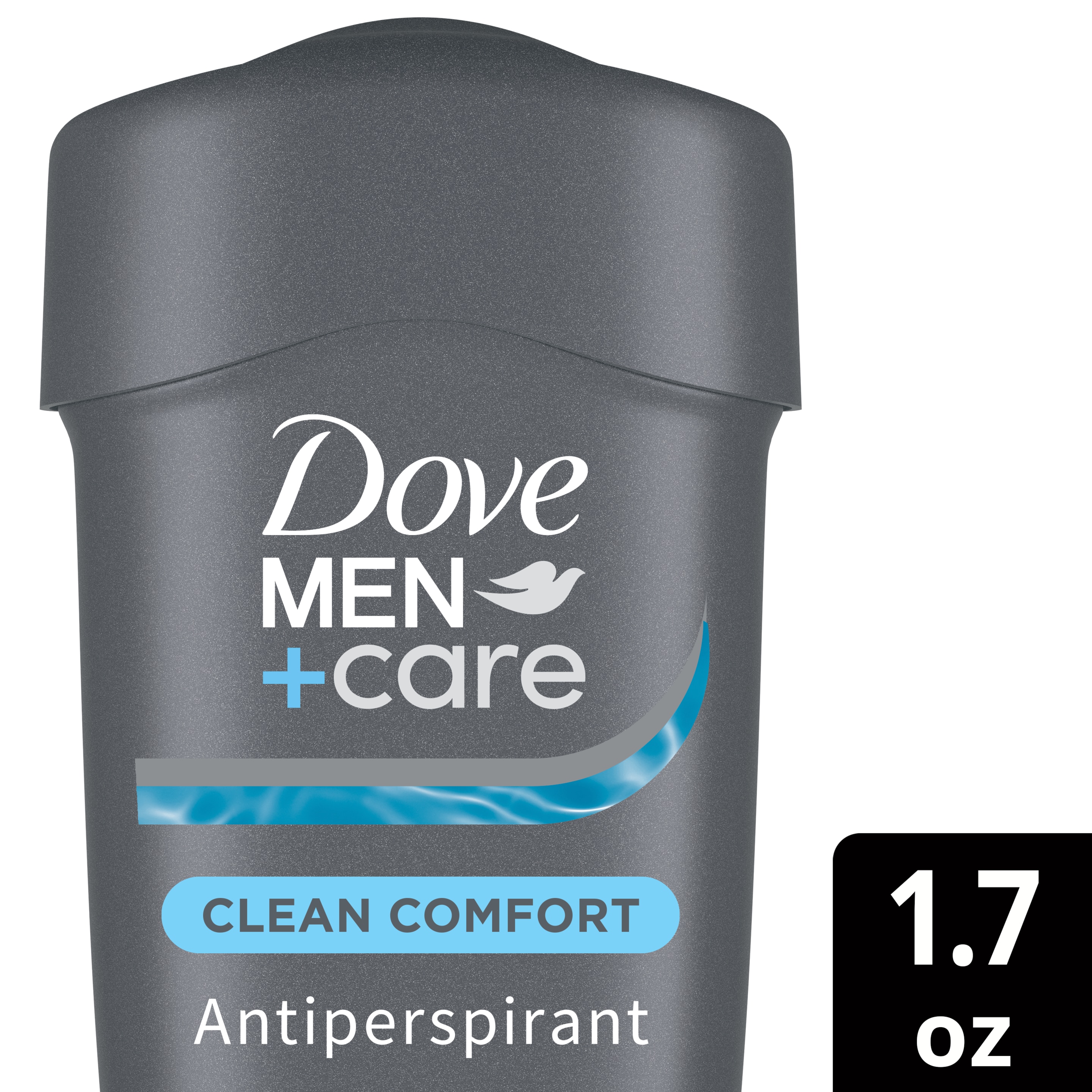
- Keep applying antiperspirant daily throughout winter. For excessive sweating, step up to a maximum protection formula.
- Smart layering reduces trapped heat before it turns into sweat.
WHY DOES COLD WEATHER TRIGGER SWEAT?
Your body doesn't produce less sweat in winter. It responds to internal temperature, not outdoor temperature. Eccrine sweat glands, the ones responsible for cooling, activate when your core body temperature rises.¹ Winter layers work against you here: base layer, sweater, coat, scarf. This combination holds warmth, and it works too well once you're moving, indoors, or on your commute.
Indoor heating adds another trigger. Walking from a 25-degree street into a 72-degree building forces your body to unload heat fast through “transition sweat.” And physical exertion under layers of clothing like shoveling snow or working out in a base layer generates summer-level heat with fewer paths to escape.
Stress plays a role, too. Cold weather doesn't reduce stress-triggered sweat from apocrine glands in the armpits and groin, so job stress or holiday pressure can activate sweat regardless of the season.
Excessive sweating in men is common, and cold weather doesn't make it go away. Some medical conditions such as hyperhidrosis can also cause excessive sweating year-round.² If winter sweating feels severe or unusual for you, your doctor is the right person to ask.
WHEN SWEATING IN WINTER LEAVES YOU COLD AND IRRITATED
Wet skin loses heat fast. When sweat evaporates or hits cold air, it draws heat from your body, leaving you feeling colder than the actual temperature. This is the shivering-after-sweating cycle: you sweat under your coat, step outside, and suddenly you’re shivering.
Damp skin trapped under winter layers can also cause irritation. Friction plus trapped sweat leads to chafing or rashes, and dry winter air makes it worse since your skin barrier is already stressed. Hours under damp layers also create the perfect environment for odor-producing bacteria to thrive, so you may notice stronger odor by evening. If your underarms start feeling reactive, an aluminum-free formula is worth trying.
DAILY HABITS THAT SECRETLY CAUSE WINTER SWEATING
A few common habits quietly work against you in winter. The most common is overdressing for your indoor destination. Layer for the coldest 20 minutes of your journey, not the whole day, and choose fabrics like merino wool over heavy synthetics, which trap moisture against your skin.
Sleeping under too many blankets can cause sweating at night during winter and skipping antiperspirant because it's cold leaves you unprotected. Sweat glands fire regardless of temperature.
Hot showers before dressing feel great in winter but keep you sweating afterward and also leave your skin feeling dry. “Lower humidity in the air in winter, and more exposure to heating indoors also causes skin to become drier and compromises the skin barrier,” adds Unilever R&D Manager Jamie Reagan.
Other winter sweating triggers include alcohol, which raises body temperature, and spicy comfort food, which can trigger facial sweating.
A WINTER SWEAT AND ODOR PROTECTION PLAN
The right routine in winter is less about doing more, and more about doing the right things consistently:
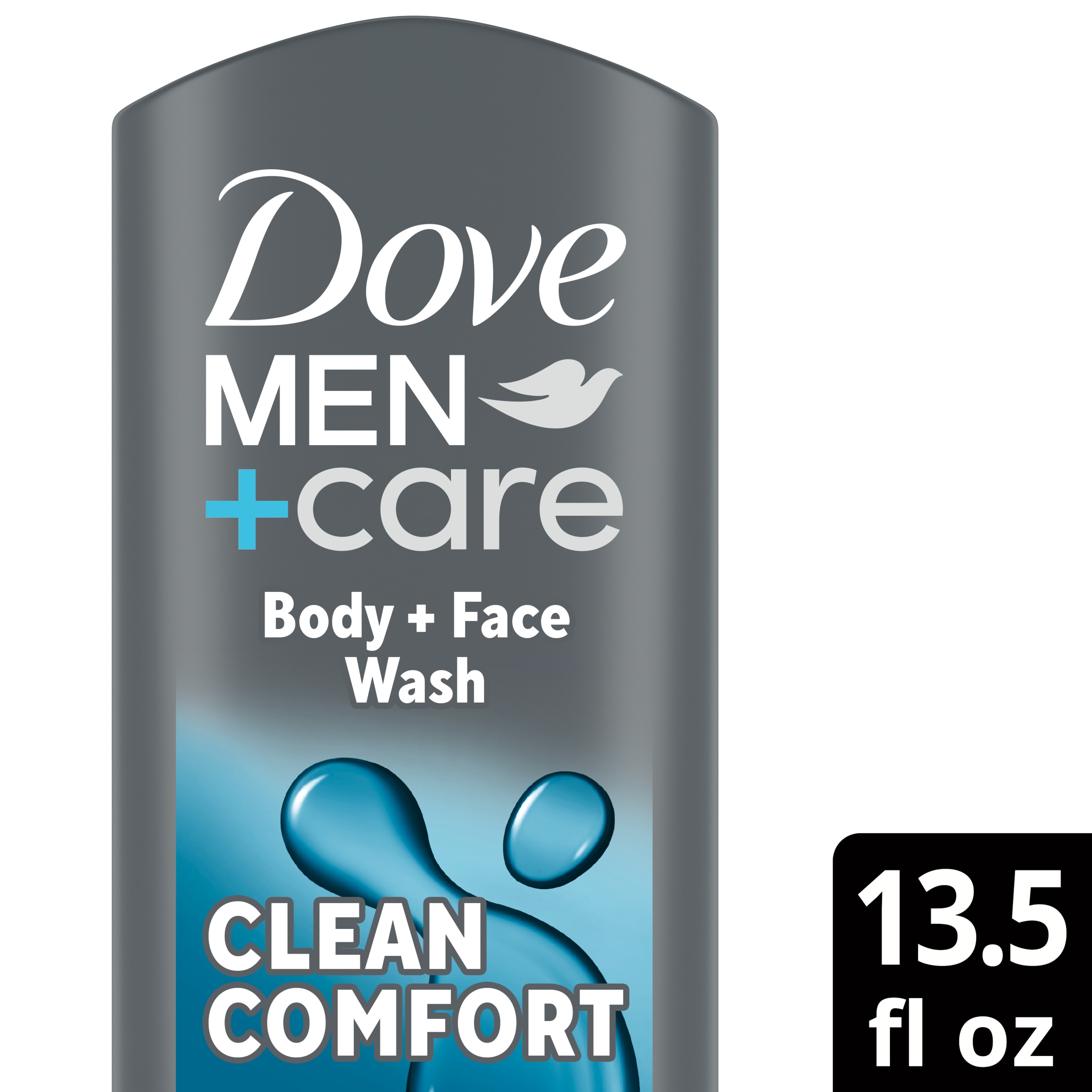
- Use warm, not hot, water in the shower. Very hot showers strip natural oils and can trigger residual sweating. A sulfate-free moisturizing body wash helps maintain skin comfort. End with a cool rinse and pat dry rather than rubbing.
- Keep using antiperspirant daily throughout winter. Sweat glands don't hibernate. If you don't sweat much, a regular deodorant may be all you need to stay fresh.
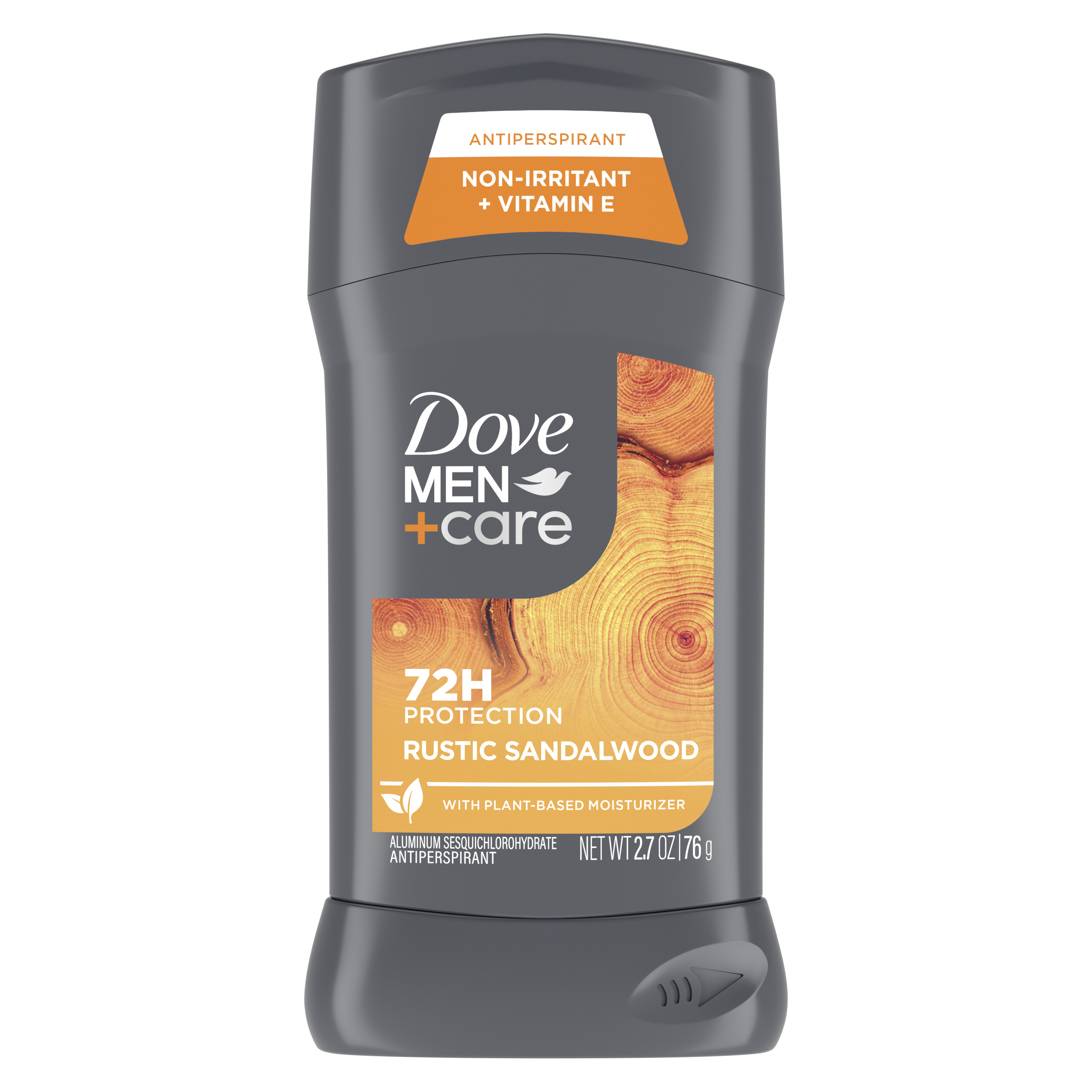
- For standard daily use, a 72-hour antiperspirant stick or spray covers most men through a typical winter day.
- If excessive sweating is something you deal with, step up to a maximum protection antiperspirant that delivers 96-hour protection with moisturizing ingredients for skin comfort.
- Apply antiperspirant at night to clean, dry skin. The active ingredient works best when your sweat glands are at rest, making nighttime the most effective window.
- Tackle odor beyond the underarms. This is the job of a whole-body deodorant. It should be aluminum-free and labeled for use across the chest, back, and other zones where odor can build up under heavy layers.
SMART WINTER LAYERING AND CLOTHING HACKS
The right layering system manages heat before it becomes sweat. Start with a moisture-wicking base layer in merino wool or a technical synthetic. Cotton absorbs sweat and holds it against your skin, leaving you colder and damper. Add an insulating mid-layer and a windproof outer shell and take layers off indoors even briefly to release trapped heat before your body has to deal with it through sweat. If your day involves multiple indoor stops, dress for the coldest transition rather than the warmest moment.
When it comes to your feet, winter boots trap moisture, so wearing wool-blend socks, rotating between two pairs of boots, and letting each dry fully between wears, help reduce foot sweat significantly. And if your day swings between outdoor cold and heated indoor spaces, keeping a spare undershirt in your bag is one of the most practical things you can do.
FAQs
Your body responds to internal temperature, not outdoor temperature. Winter layers trap body heat, moving between cold outdoor air and heated indoor spaces forces a rapid temperature adjustment, and physical activity under layers adds another layer of heat your body has to deal with. When any of these push your core temperature up, your sweat glands activate to cool you down.
Yes, especially if you're moving, you’re in a heated area or commuting. Winter layers trap heat, and sweat is the primary way to cool down once your body warms up. Try wearing breathable base layers and removing layers indoors.
Wet skin loses heat rapidly. When sweat meets cold air or evaporates, it draws heat from your body, triggering shivering minutes later. Change out of damp layers as soon as you can to prevent this.
Yes. Sweat glands activate year-round based on internal body temperature. Skipping application leaves you unprotected from sweat and odor. Apply at night to clean, dry skin for the most effective coverage.
Merino wool and moisture-wicking fabrics are the best choices. Both draw sweat away from skin and dry faster than cotton, which absorbs moisture and holds it against your skin.
Boots trap foot moisture with nowhere to evaporate. When sweat sits against your skin, this draws heat away from your feet. Wear wool-blend socks and rotate your boots, letting each pair air out.
You can't stop sweating entirely because it's essential for temperature regulation, but there are ways to manage winter sweating. Use a maximum protection antiperspirant applied at night, wear breathable base layers, remove layers indoors, and skip the hot showers to feel a difference.
A maximum protection antiperspirant applied at night to clean, dry skin gives you the best results. Night application works because sweat glands are less active while you sleep, giving the active ingredient more time to work before your day starts.
Winter sweat isn't a mystery once you know what's triggering it. Your body is doing exactly what it's designed to do: manage heat regardless of what's happening outside. The difference between feeling damp and uncomfortable all winter and feeling in control comes down to a few small changes to your routine. Then you're set for the season.