Key takeaways
- Crowds, humidity, and central heating make party rooms warmer than the thermostat suggests.
- Social stress triggers emotional sweating, which tends to smell stronger than workout sweat.
- Winter layers trap heat in your underarms and along your back.
- Alcohol and certain holiday foods may influence your body odor for hours.
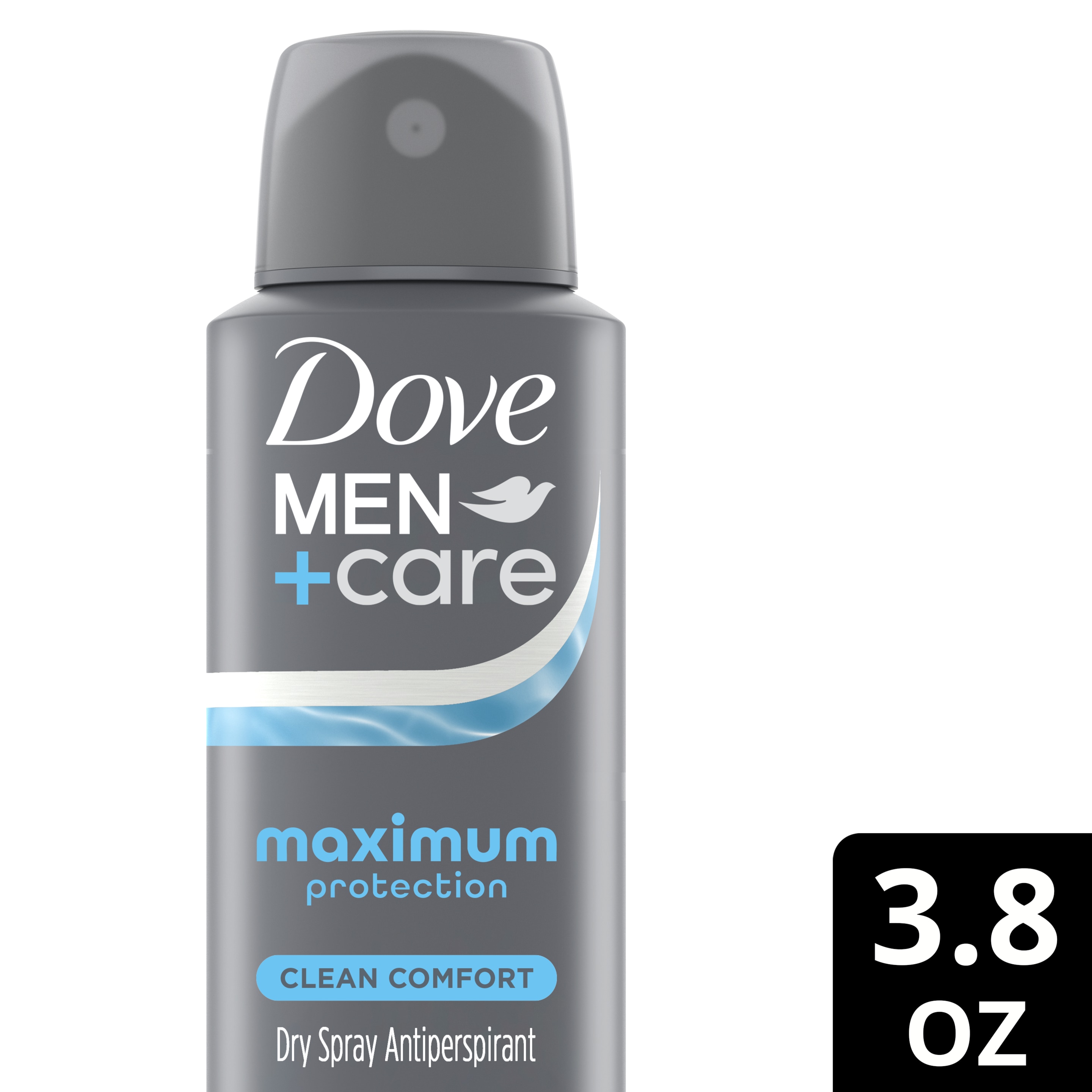
- For long or high-pressure events, a maximum protection antiperspirant applied the night before gives you more effective protection.
WHY CROWDED ROOMS FEEL WARMER THAN EXPECTED
Fill a living room with 30 people and central heating, and the temperature climbs fast. Every breath adds moisture too. Humid air slows sweat evaporation, so your body has to work harder to cool down.¹ That’s why a crowded room in winter can feel uncomfortable.
The thermostat doesn't tell the full story either. It measures one spot on the wall, often far from the crowd around the kitchen island, so the number it shows rarely matches where you stand.

HOW SOCIAL STRESS TRIGGERS EMOTIONAL SWEATING
Holiday events stack social pressure: small talk with your partner's boss, a toast you didn't prepare, family questions about your career. Your nervous system reads that pressure as a challenge and releases adrenaline. The result is emotional sweating, and it can start before you even walk through the door.
This sweat comes largely from apocrine glands in your armpits and groin.
“Stress sweat is biologically different sweat, controlled by the sympathetic nervous system,” Unilever R&D scientist Matt Annecharico explains. “When adrenaline or heart rate rises, this system triggers sweat containing fats and proteins that the bacteria naturally existing on your skin love. This results in a unique smell."
HEAVY WINTER LAYERS: HEAT TRAPS
Your underarms are already a closed, warm pocket. A dress shirt, sweater, and blazer seal that pocket further, and sweat has nowhere to go.
Your back faces a similar problem. A lined jacket traps heat along your spine, and a sit-down dinner presses that jacket against a chair for a long time. Wool and synthetic blends hold moisture close to your skin, so a damp patch can spread before you notice it.
IMPACT OF ALCOHOL AND RICH FOOD ON BODY ODOR
Does alcohol make body odor worse? This is a common question, and the effect varies from person to person. But yes, when alcohol is metabolized, some of it can come through in your breath and skin.²
Holiday menus add another factor. Garlic, onions, and cruciferous vegetables like Brussels sprouts contain sulfur compounds that can show up in sweat, breath, or gas.² Heavy, rich dishes also take more energy to digest, which can nudge your body temperature up a little.
WHEN TO CHOOSE STRONGER PROTECTION
For most of the season, an antiperspirant with up to 72 hours of sweat and odor protection has you covered. Pick the format according to your preference: stick for targeted application, spray for quick all-over coverage.
For long nights or high-pressure events, a maximum protection antiperspirant can give you up to 96 hours of sweat and odor protection.
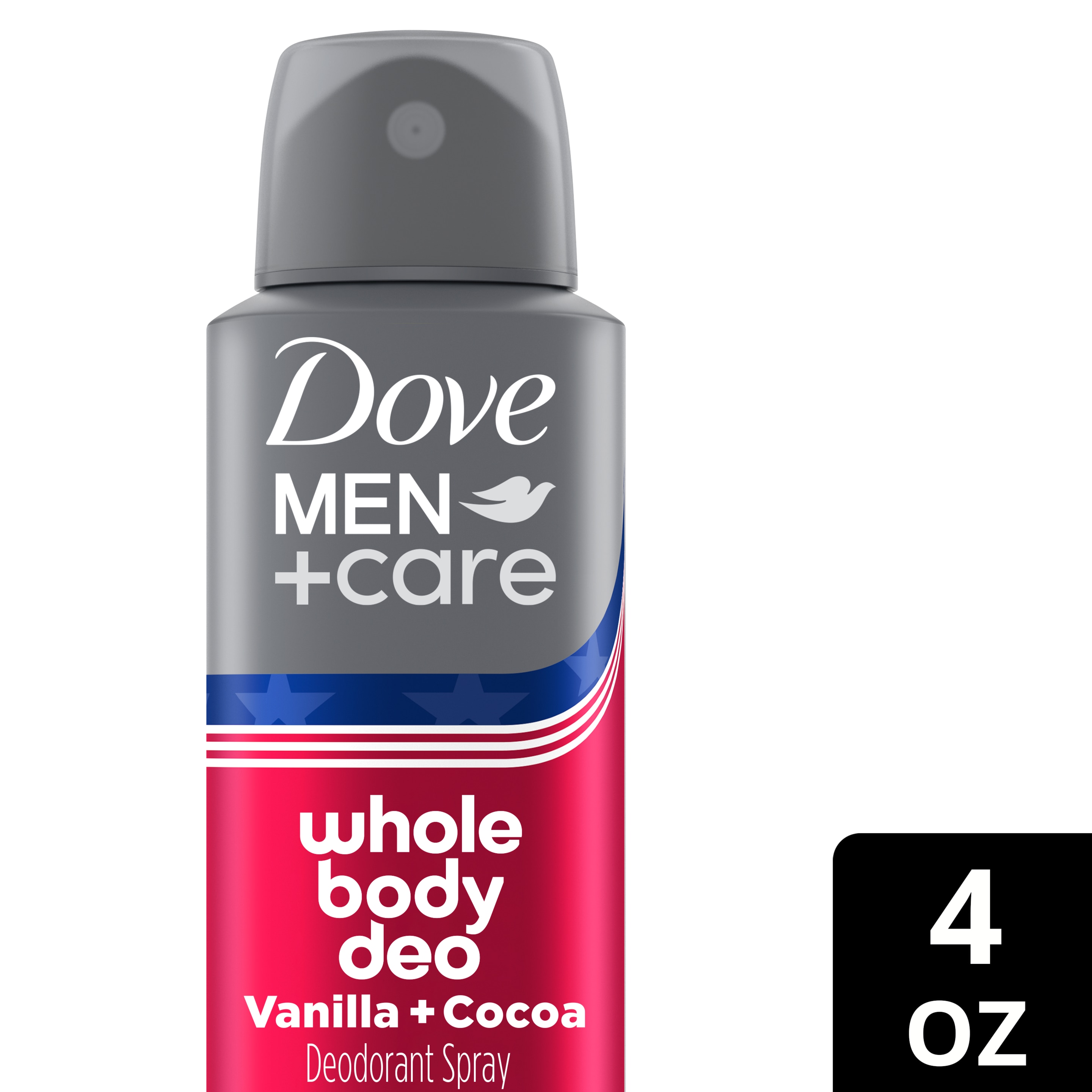
Heavy layers can also trap heat across your chest and back. An aluminum-free whole body deodorant controls odor in those areas rather than sweat, so use it alongside your antiperspirant, not in place of it.
When and how to apply
Apply your antiperspirant at bedtime to clean, fully dry skin. Sweat glands are least active overnight, so the formula has hours to work before your next event.
If you're using a stick, swipe a thin, even layer two or three times under each arm. With a spray, shake the can, hold it about six inches away, and apply a few short bursts.
PRE-EVENT PREPARATION
Here's how to set yourself up with a routine to keep you fresh and confident all event long:
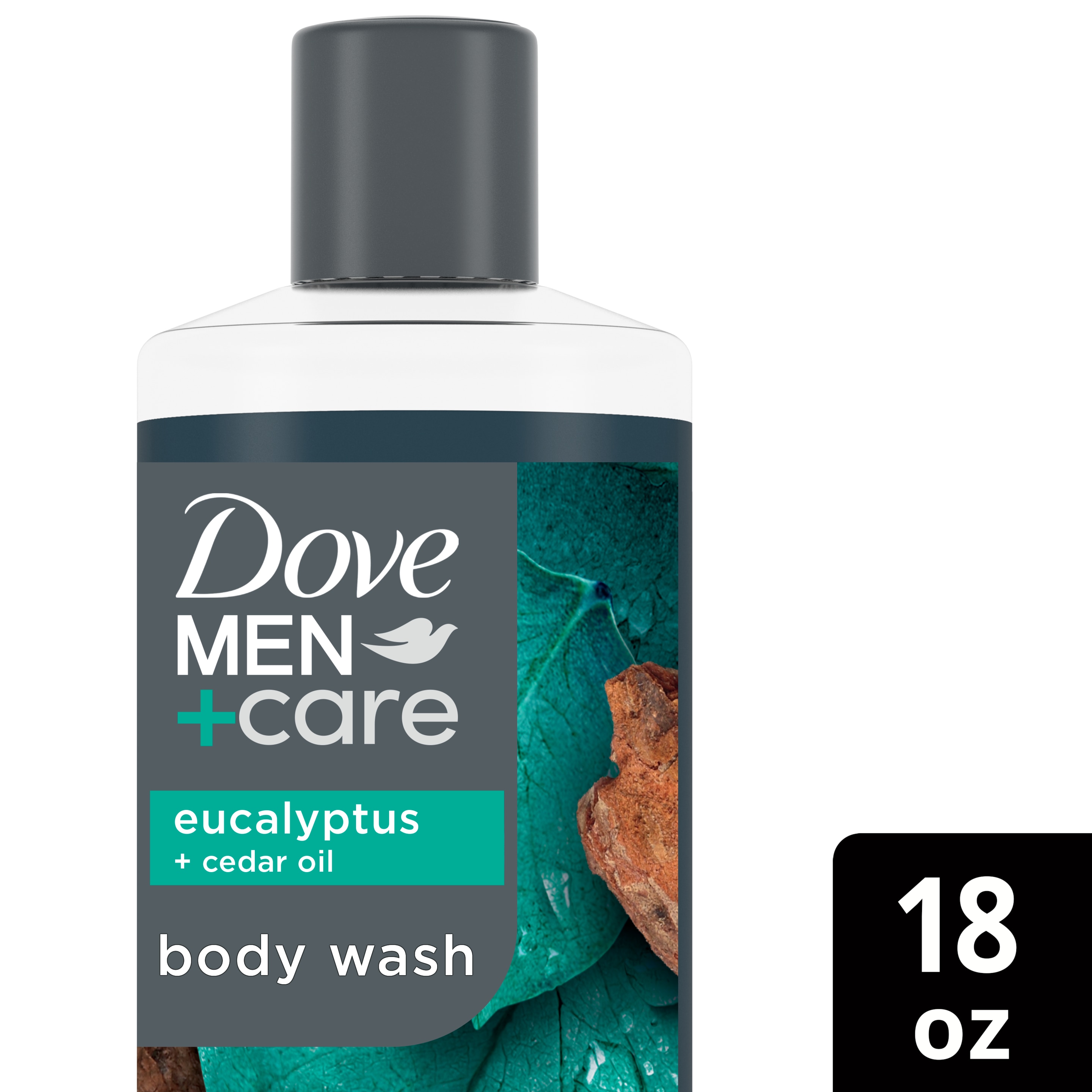
- Shower with a quality body wash to clear away odor-causing bacteria, sweat, and oil.
- Apply antiperspirant to clean, dry underarms if you didn’t the night before.
- Follow with a whole-body deodorant for extra odor control under your layers.
- Wear a breathable undershirt. It absorbs back and chest sweat before it reaches your dress shirt.
- Build removable layers. A blazer or jacket over a lighter shirt lets you adjust as the room heats up.
- Eat a light snack first. Arrive hungry, and it's easier to overdo the rich food and drinks.
- Pick darker colors or patterns. They hide moisture better than light gray or pale blue.
MID-EVENT COOLING DOWN STRATEGIES
Even with good prep, a packed room can heat up fast. Here's what to do:
- Shed a layer early. Take off the jacket before you feel warm, not after.
- Find cooler air. A few minutes on the porch or near the front door lets your skin cool down.
- Cool your wrists. Hold a cold glass against the inside of your wrist for a quick temperature reset.
- Alternate drinks with water. It helps you pace alcohol and stay hydrated.
- Slow your breath. A minute of deep breaths before a toast or tough conversation can help take the edge off emotional sweating.
FAQs
Your body sweats to cool down regardless of the outdoor temperature. At packed indoor venues, everyone's body heat raises the room temperature fast. Heavy winter layers keep that heat close to your skin, and social stress triggers emotional sweating on top of all of that.
Pack a spare undershirt and a travel-size whole-body deodorant and leave them in the car. Mid-party, slip to the restroom, wipe down, apply the deodorant, and swap your shirt. You'll be back before anyone notices.
Keep the same routine and don't skip it because it's cold. Indoor heat and layers keep your sweat glands active all season. Winter air does dry skin out more, so a formula with moisturizing ingredients is worth looking for if irritation is an issue.
For those long evenings or all-nighters, choose a maximum protection antiperspirant. Look for 96 hours of sweat and odor coverage.
Holiday heat and nerves come with the celebration territory, but a little prep keeps them in the background. Apply your antiperspirant the night before, choose your layers with the room in mind, and get on with enjoying the evening.