• 1
    THE BEST WAY TO MANSCAPE
    Learning how to manscape properly helps you achieve perfectly groomed and smooth body parts, just as you prefer. Crucially, proper manscaping techniques can prevent folliculitis, an inflammation of hair follicles. The Canadian Dermatology Association (CDA) explains that folliculitis often results from injured follicles becoming infected by bacteria, fungi, viruses, or yeast. Common causes include irritation from shaving, waxing, and friction from clothing. These manscaping tips are designed to help you achieve your desired look while significantly reducing skin irritation.
  • 2
    USE THE RIGHT MANSCAPING TOOLS
    Achieving your desired manscaping look, whether for specific hair length or a clean shave, requires the right tools. When selecting razor blade options, prioritize those that minimize skin irritation. The CDA recommends using a single-blade razor and replacing it with every shave to ensure a sharp blade and reduce shaving irritation. For trimmers, choose clippers carefully to avoid removing more hair than intended. If trimming body hair with scissors, dedicate a specific pair for personal use to prevent bacterial spread.
  • 3
    STERILIZE TO PREVENT INFECTION
    When manscaping below the belt, you risk spreading infection-causing yeast and bacteria. To prevent infection, always sterilize your tools with rubbing alcohol before and after each use. Also, thoroughly wash your hands and body with warm water before starting your manscaping routine.
  • 4
    TRIM BEFORE YOU MANSCAPE
    For a smoother experience, always trim before you manscape. Applying a razor directly to thick, untrimmed hair can lead to uncomfortable razor burn, itching, and ingrown hairs. It also increases the risk of painful nicks if hair snags the blade. Use sterilized scissors or a hair trimmer with suitable clippers to reduce hair length to about 1/16 of an inch before shaving. This makes gliding your razor much easier and helps to prevent ingrown hairs.
  • 5
    SOFTEN HAIR WITH HEAT
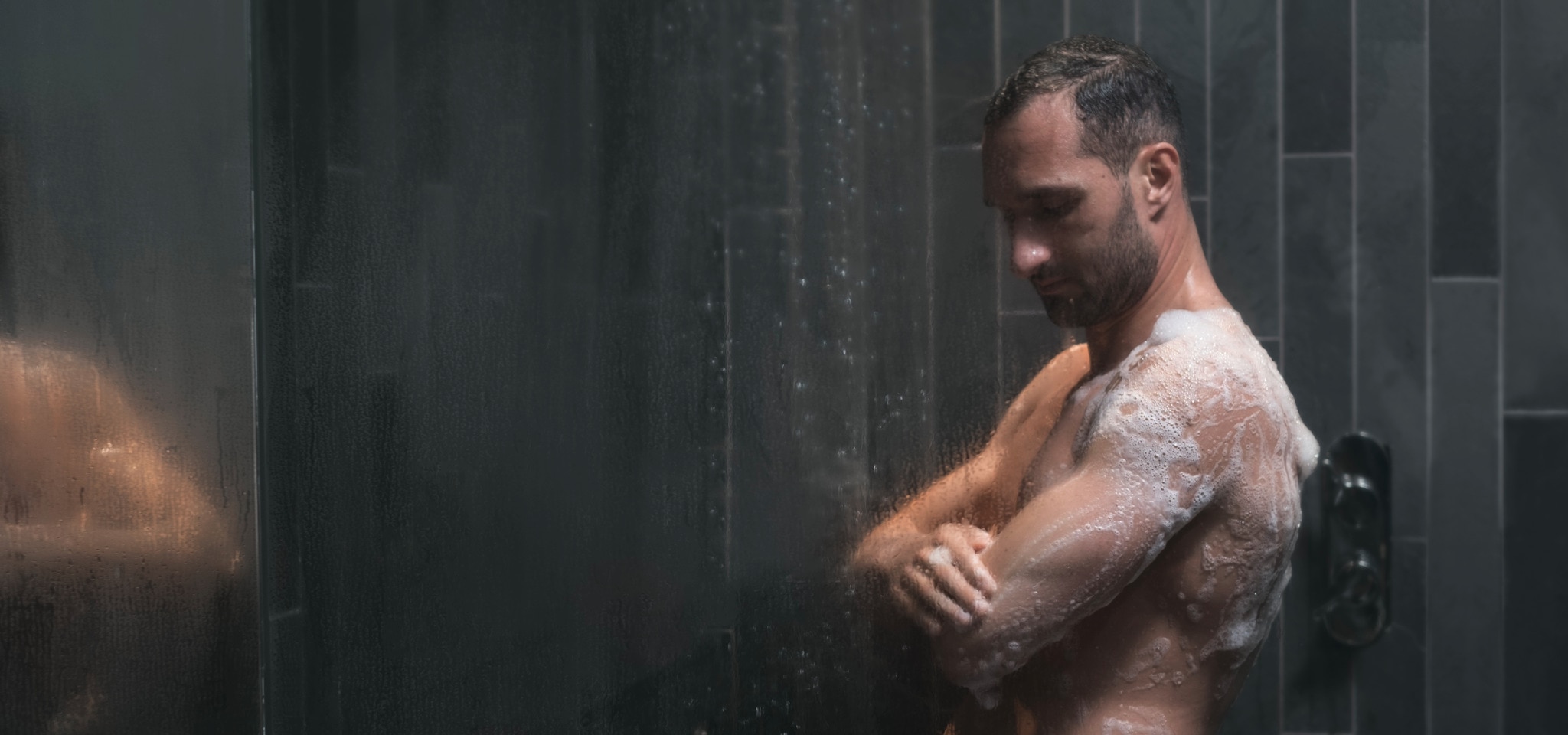
    The ideal time to manscape is immediately after a shower. If planning a post-shower session, increase the water temperature slightly. Warm water helps to loosen dirt and oil from your skin and lubricates the area, preventing hair pulling. To further soften hair and enhance glide, use a quality shaving gel instead of regular soap, adding essential moisture to the area before shaving.
  • 6
    MANSCAPE THE RIGHT WAY
    For a smooth finish, manscape the right way. To prevent shaving irritation, razor bumps, and ingrown hairs, always shave in the direction of hair growth. The Canadian Dermatology Association (CDA) recommends avoiding back-and-forth motions over shaved areas. Also, to reduce irritation, avoid pulling the skin taut, as advised by the CDA.
  • 7
    CARE FOR YOUR CUTS
    Even with careful manscaping, minor cuts and nicks can occur. If you accidentally nick your skin, thoroughly clean the area with soap and warm water, then sterilize with alcohol. For superficial cuts, apply pressure with toilet paper or gauze; bleeding should clot within minutes. If bleeding pulsates or continues after 15 minutes, seek medical attention.
  • 8
    CALM YOUR SKIN
    The itchy, burning sensation after shaving is common, but you can significantly reduce it. Always use a quality post-shave lotion to minimize dryness and irritation. The CDA suggests applying a cool compress or wet washcloth to the freshly manscaped area to prevent irritation and swelling. To avoid razor bumps and ingrown hair, the CDA recommends an over-the-counter gel or lotion with salicylic acid (1-2%) or glycolic acid (5%) to keep skin smooth and prevent hair entrapment.