;Resize=(280,110) "Dove - Let’s Change Beauty logo")

Aluminum vs. Aluminum-Free
Aluminum shows up in antiperspirants because it has a specific job: it temporarily reduces the amount of sweat that reaches your skin. That's the whole mechanism. It's not a filler or a fragrance ingredient. It's the active ingredient.
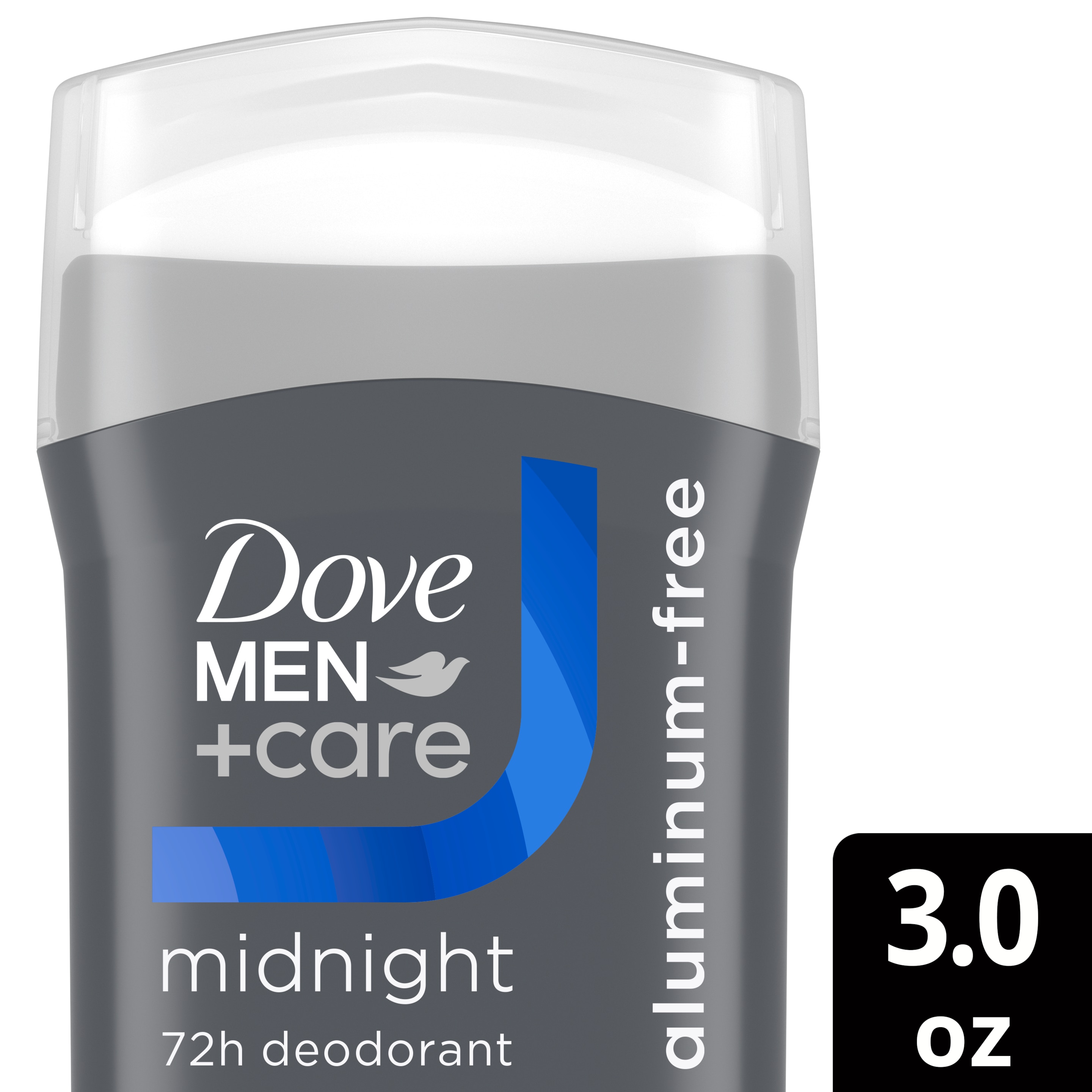
Aluminum-free formulas don't reduce sweat. They're usually formulated to tackle odor by targeting the bacteria that turn sweat smelly in the first place, plus a scent to keep things fresh. You'll still sweat normally.
Neither version is "better." They just do different jobs.
So, is aluminum safe? People often assume aluminum-free means safer, but that's more about personal preference and skin sensitivity than any proven aluminum health risk.¹ "Decades of research and reviews by health authorities show that aluminum-based antiperspirants are safe when used as directed," explains Unilever R&D scientist Matt Annecharico. "In fact, regulators like the FDA approve these ingredients, and dermatologists widely consider them safe and effective for long-term sweat protection."
The Difference Between Antiperspirant and Deodorant
These two formulas get used interchangeably in conversation, but they're not the same product.
Deodorant
This is usually an aluminum-free formula that deals with odor. It is available in different formats, and the one you pick usually comes down to personal preference.
A stick formula is a solid format that gives you more targeted coverage and glides on. Some men prefer it for precision.
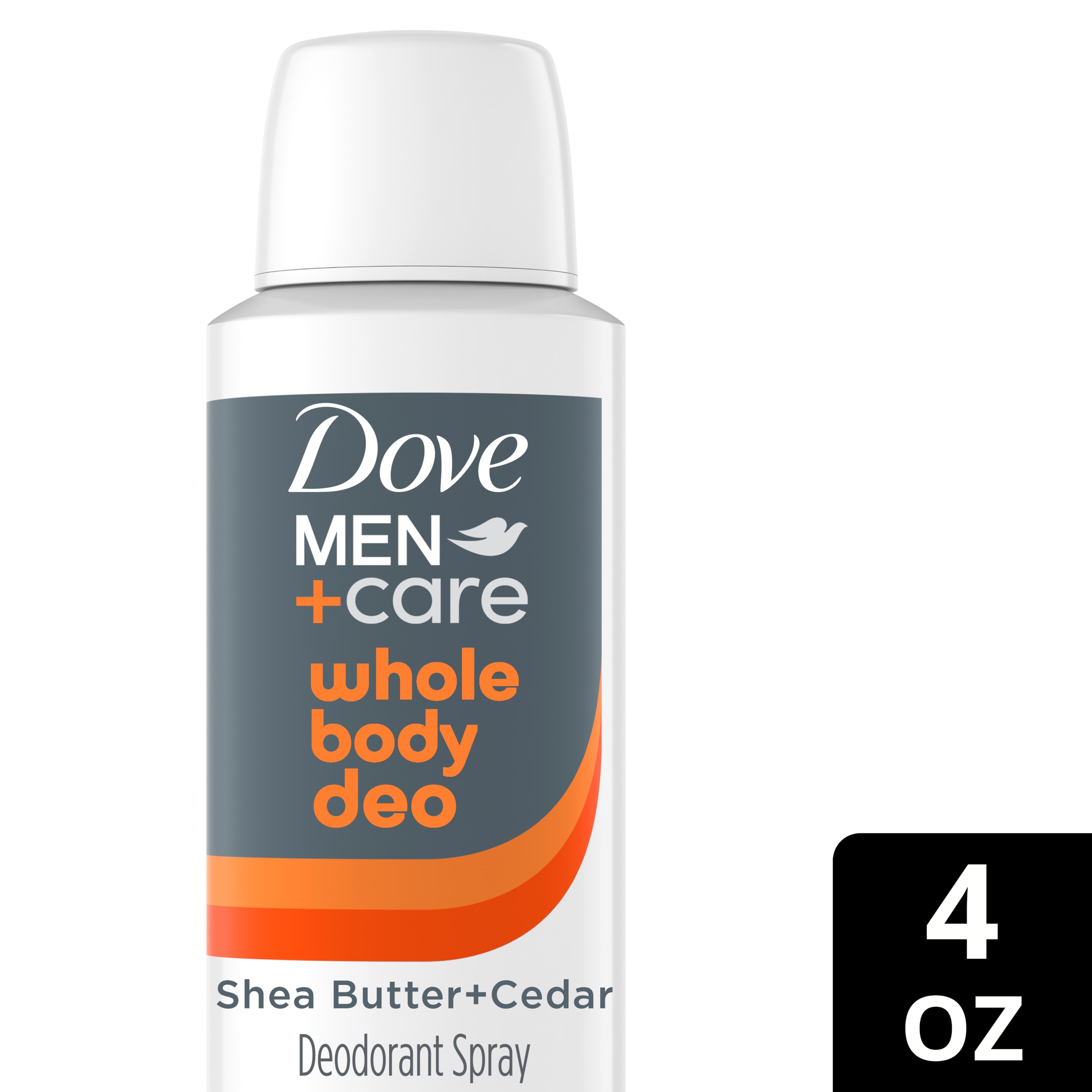
If body odor isn't limited to your underarms, whole body deodorant is formulated to be gentle enough to use on other areas prone to odor, like your chest, back, or feet.
Antiperspirant
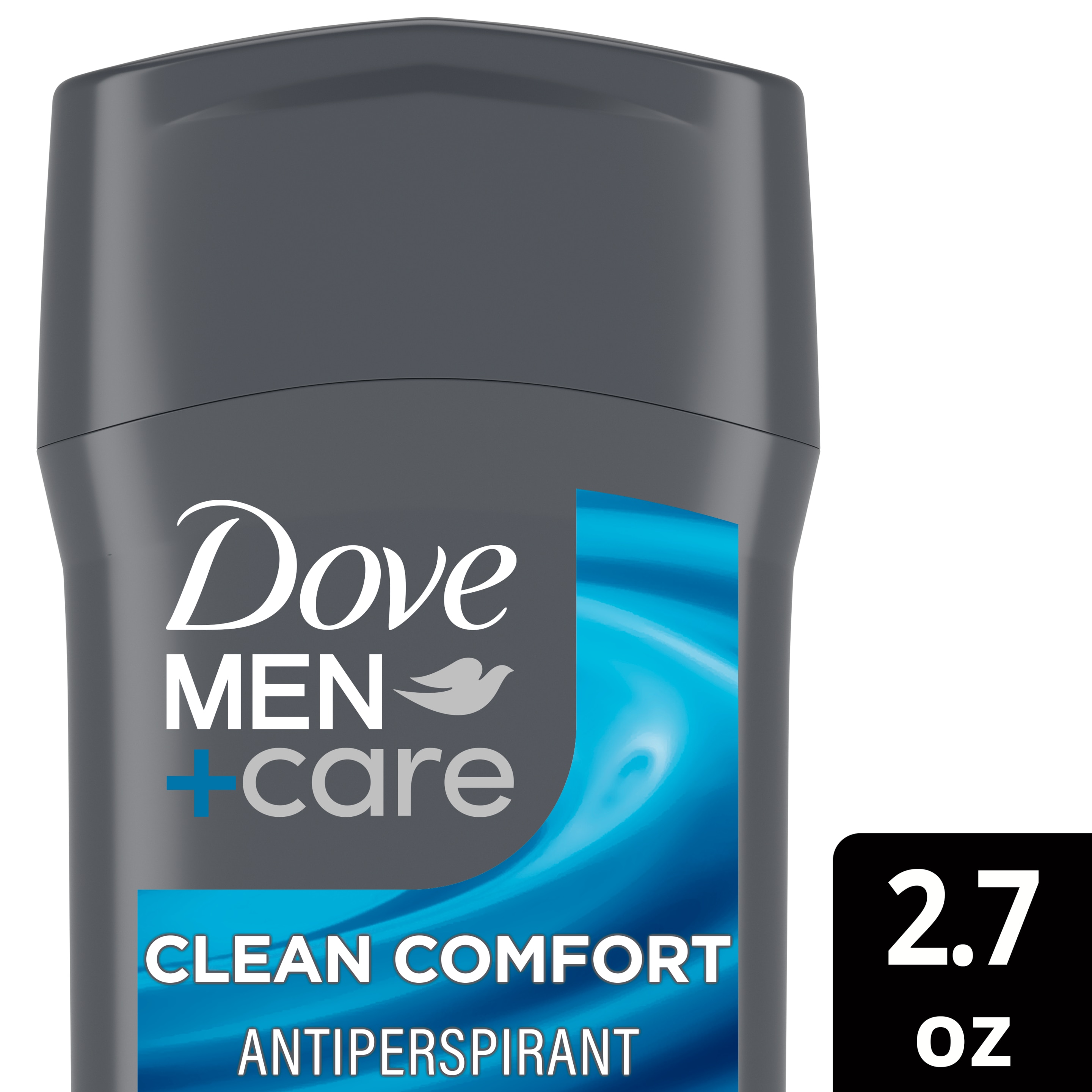
It works on both sweat and odor and contains aluminum to get the job done. Aluminum temporarily reduces sweat, and less moisture means less odor. That's why many labels state "antiperspirant deodorant."
A stick format is popular for targeted coverage while a dry spray goes on quickly and dries clear, which some men prefer for a lighter feel.
Both sticks and sprays use aluminum to cut down on sweat and odor, with some giving you protection for up to 72 hours.
One thing to note is that Dove Men+Care uses the same scent names, like Clean Comfort and Extra Fresh, across both its antiperspirant and aluminum-free deodorant lines. The scent is shared, but the formula isn't, so check the label to make sure it's the one you want.
Is Aluminum Right for You?
There's no universal right answer here. It depends on how much you sweat, your skin, and what you're trying to solve.
If you're someone who sweats through shirts by 10 a.m., an antiperspirant tackles the wetness and odor. If you sweat lightly, have skin that reacts to aluminum, or just prefer to let your sweat glands do their thing, an aluminum-free deodorant is a perfectly reasonable choice. Either way, you're not making a safety trade-off. You're picking the formula that matches the job.
FAQs
Sensitivity usually comes down to the specific formula, not the aluminum itself. Some men with sensitive skin can react to the aluminum in antiperspirants, while others can react to fragrance or ingredients in natural or aluminum-free formulas. If your skin tends to react, look for options with fewer ingredients and patch-test on a small area first. Switch formulas if irritation shows up rather than assuming one category is gentler.
Your sweat glands go back to their normal output, usually within a day or two. Some people call this "detox sweat," but nothing is being released or flushed out. It's just your underarms sweating without the temporary reduction an antiperspirant would have created.
Antiperspirant is regulated by the FDA as a safe and effective over-the-counter product when used as directed. The aluminum it contains has been reviewed extensively by health authorities. But if you have kidney issues, check with your doctor first to see if you can use an antiperspirant.¹
Your skin absorbs only a tiny amount of aluminum in antiperspirants. Most stays on the skin's surface and eventually gets rubbed off, transferred to clothing, or washed away.²
Most people can use antiperspirant every day and that's what it's designed for. If you have sensitive underarm skin, patch-test first to see how your skin reacts.
Unilever R&D scientist Matt Annecharico advises against this: "An antiperspirant is meant for underarm use only. It's not formulated or intended for the scalp or hairline. If sweat around the hairline is something you're dealing with, look for a product specifically designed as a sweat absorber instead."
Yes. Dove Men+Care antiperspirants contain aluminum as the active ingredient that temporarily reduces sweat. Several Dove Men+Care deodorants are aluminum-free and tackle odor without reducing sweat.
Aluminum in antiperspirant has been a source of confusion for decades, but the evidence shows it's safe, it's regulated, and it does a specific job that aluminum-free formulas don't. The choice between the two comes down to how much you sweat and how your skin responds. Pick the one that fits how your body works and feel confident throughout your day.