;Resize=(280,110) "Dove - Let’s Change Beauty logo")
POST-SHOWER ITCH? HERE’S WHY
To understand why this happens, it helps to start with the skin barrier. This is your body’s protective outer layer, designed to lock in moisture and help defend against irritation. When this protective layer becomes disrupted, skin can feel dry, tight, or itchy after showering.
Unilever R&D scientist Matt Annecharico explains that skin irritation is highly individual. “Irritation can be caused by a variety of triggers, and at seemingly random times. Key contributors include the use of high pH products and products with fragrance. What causes signs of irritation in one person may be perfectly safe for another.”
Here are some of the common triggers:
Dry skin
Dry skin is one of the most common causes of itching after showering. In dry or cold climates, low humidity can reduce your skin’s ability to retain moisture even more, making post-shower itch more noticeable.
Shower habits
You may enjoy a steaming shower that fogs up the bathroom, but hot water can strip away the skin’s natural oils more quickly than lukewarm water, leaving it feeling dry and tight once you step out. Longer showers can also do the same to your skin.
Product sensitivity
If your skin feels “squeaky clean,” it may be over-cleansed. Some soaps can remove too much moisture, leaving skin dry, tight, or itchy after showering. If irritation is noticeable under your arms, it may be linked to sensitivity to ingredients in your deodorant.
Hard water
Water quality can also play a role. Hard water is water that contains higher concentrations of minerals, particularly calcium and magnesium.
Friction
Your drying technique can also contribute to irritation. Rubbing the skin too hard with a towel can cause friction and sensitivity, especially in delicate areas. In skin folds such as the underarms or groin, heat, moisture, and friction can combine to trigger irritation that may feel more noticeable after a shower.
HOW TO PREVENT ITCHY SKIN AFTER A SHOWER
Preventing the itch starts with protecting your skin before, during, and after your shower. Small changes like choosing gentler products, showering in lukewarm water, and locking in moisture can help keep your skin comfortable and reduce irritation.
Switch to Skin-Friendly Products
If you have sensitive or dry skin, choose mild, fragrance-free cleansers instead of traditional soaps. Gentler formulas like cleansing bars are designed to wash away sweat and residue without stripping moisture from the skin.
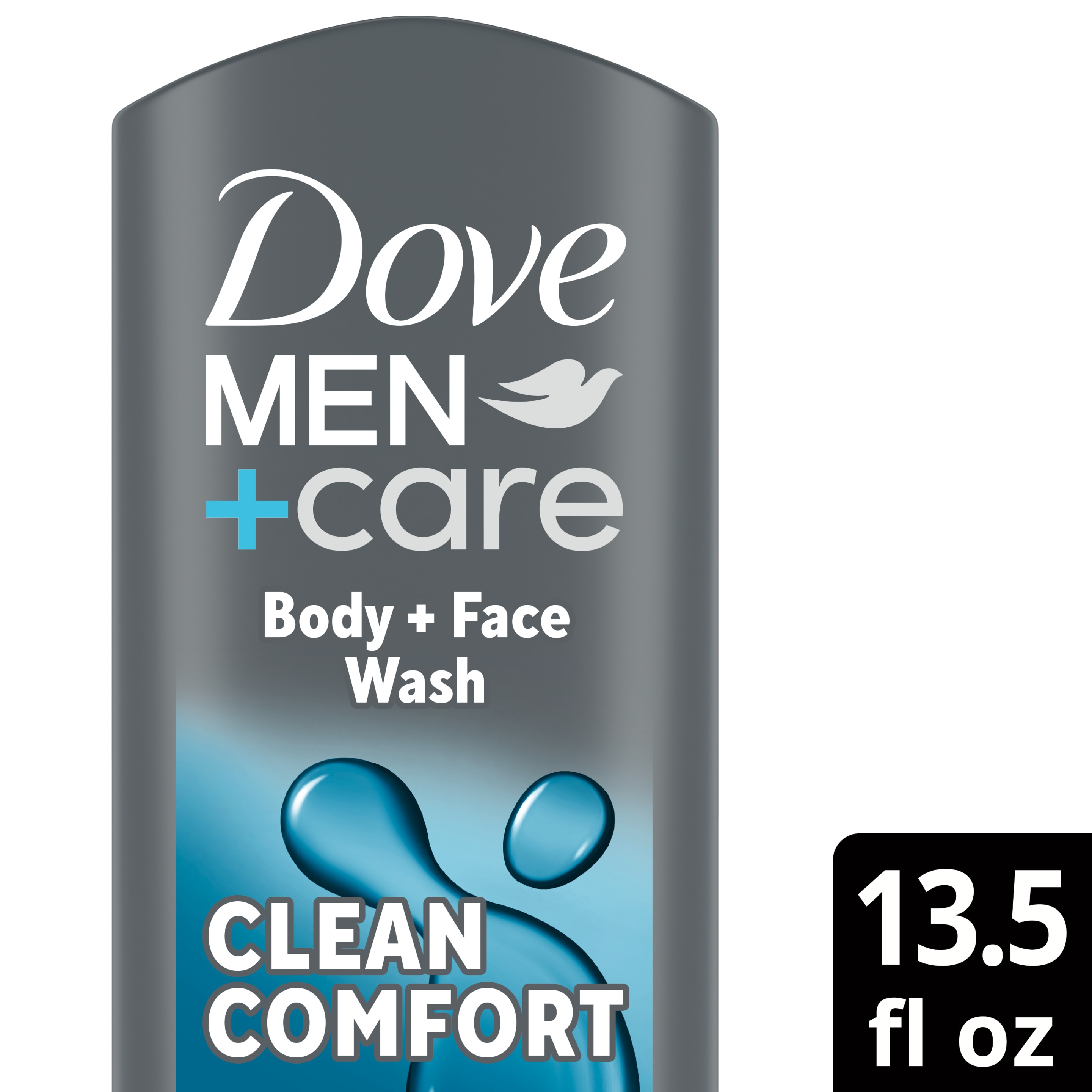
A moisturizing body wash can also cleanse effectively while reducing that tight, dry feeling after showering. Be sure to rinse thoroughly, as leftover product in skin folds may contribute to irritation.
If underarm itchiness is the problem, deodorants designed for sensitive skin and free from fragrance, aluminum and alcohol are generally less likely to leave skin feeling irritated.
Lock in Moisture After Showering
How you dry your skin before moisturizing matters. Instead of rubbing vigorously with a towel, gently pat your skin dry to help reduce friction and moisture loss.
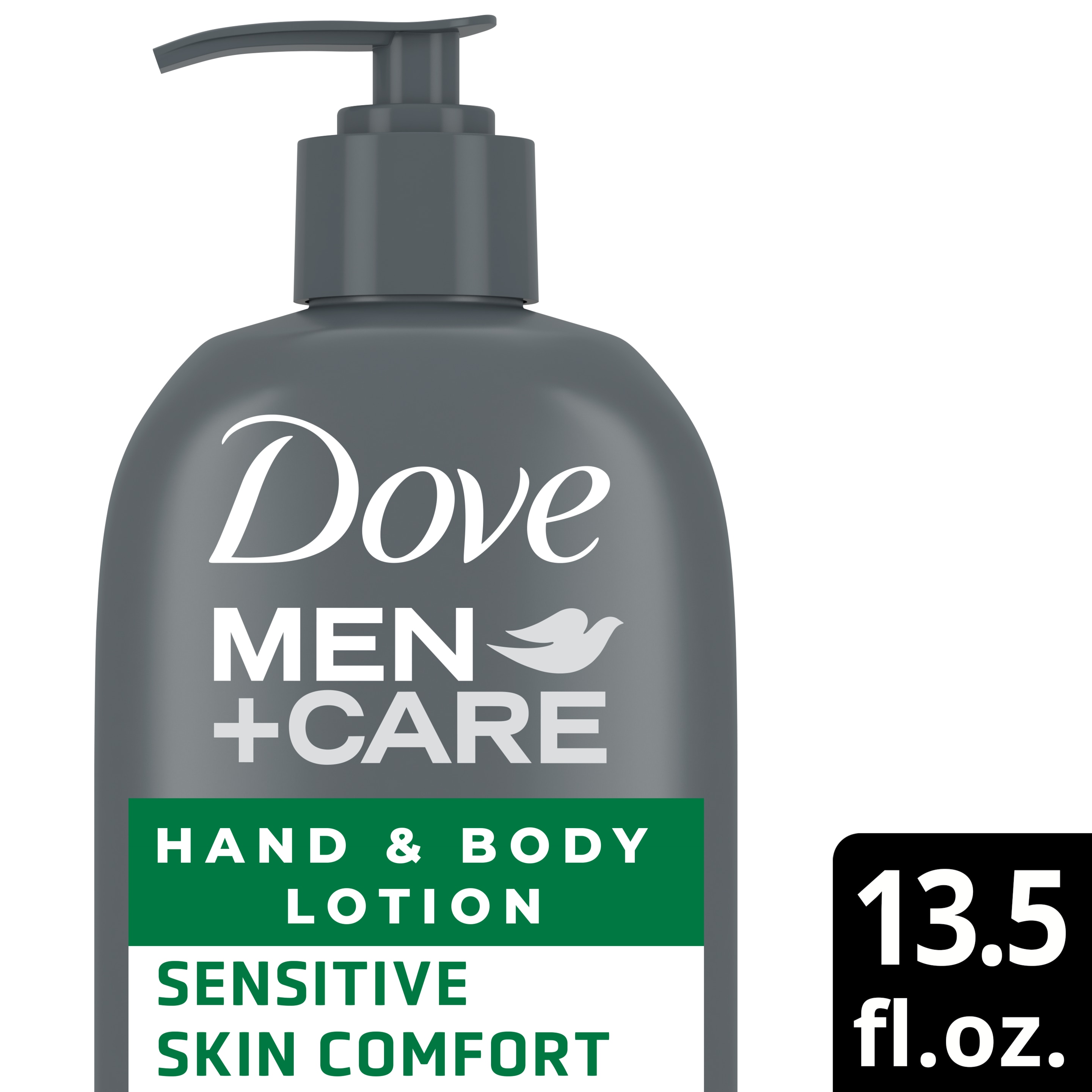
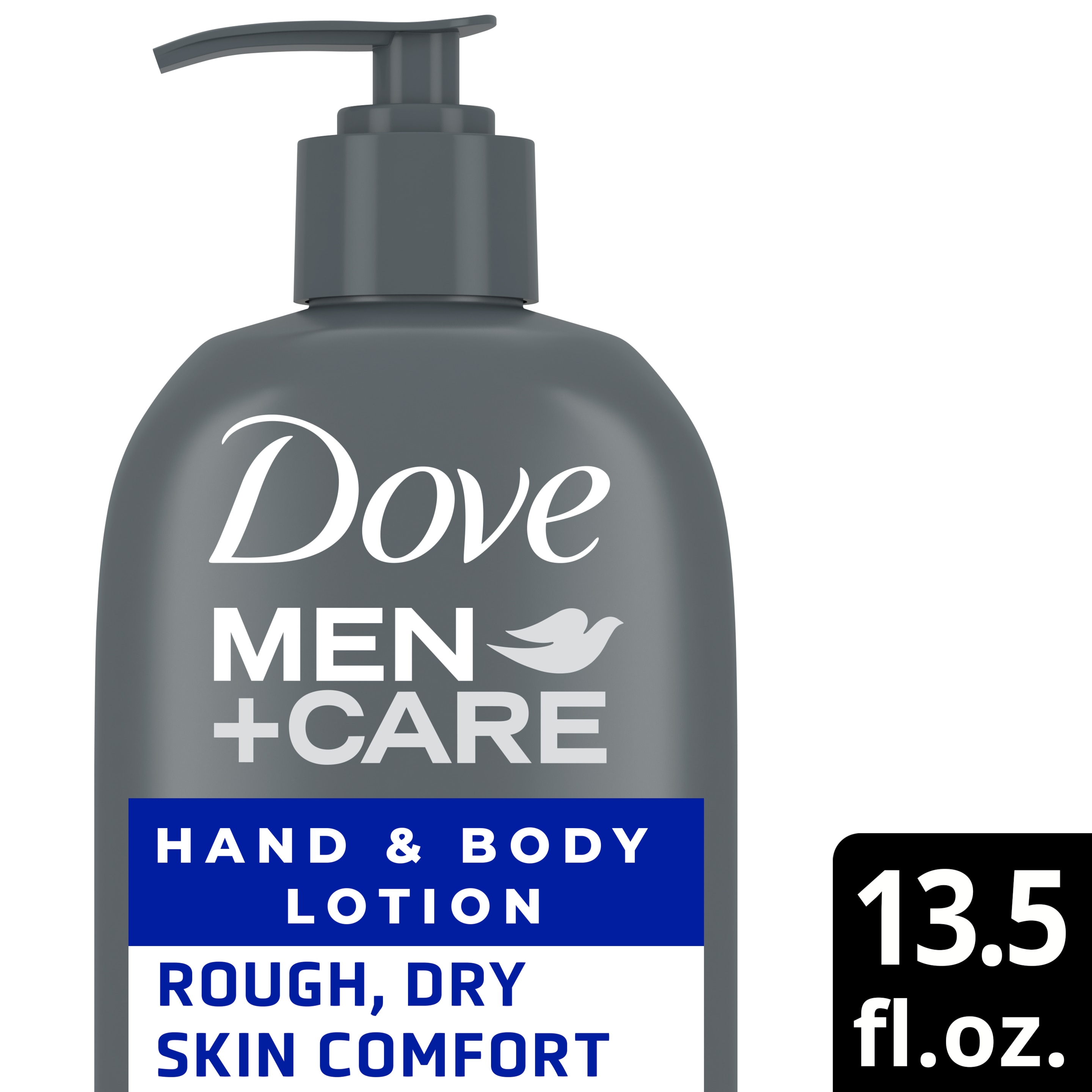
Applying moisturizer while your skin is still damp helps lock in hydration and reduce post-shower tightness or itch. For very dry skin, thicker creams are often more effective than lightweight lotions.
Reduce Everyday Triggers
Environmental factors can also affect how your skin feels after showering. Fragrance-free or hypoallergenic laundry detergents may help reduce irritation from towels and clothing.
If you live in a hard-water area, a shower filter may help reduce mineral buildup on the skin. During colder months, using a humidifier and wearing breathable fabrics like cotton can help minimize dryness and friction.
Together, these adjustments to your routine can help support a healthier skin barrier and reduce post-shower dryness and irritation.
FAQs
Why is my skin itchy after a shower?
The most common cause is dry skin, especially when hot water or harsh cleansers strip away natural oils. This leaves your skin barrier more vulnerable to dryness and irritation after showering.
How can I tell if the itchiness is from dry skin or something else?
Dry skin often feels tight, rough, or flaky and usually improves after applying moisturizer. Other causes, such as sensitivity or irritation, may feel more like tingling, burning, or a persistent itch that doesn’t fully settle even with moisturizing.
What are the best steps to stop itching after a shower?
Keep showers short and lukewarm, use a gentle fragrance-free cleanser, and pat your skin dry instead of rubbing. Apply moisturizer while your skin is still slightly damp to help it absorb more effectively.
When should I see a doctor about post-shower itch?
If the itching is persistent, severe or comes with other symptoms like a rash or swelling, this may indicate an underlying issue and best checked out by a doctor or dermatologist. For most men, improving shower habits and using gentle skincare products is enough to reduce or prevent post-shower itch.
Post-shower itch is your skin telling you that something in your routine is a bit too aggressive or out of balance. Once your routine stops working against your skin, showering becomes what it should be again — simple, comfortable, and irritation-free.